csrreporters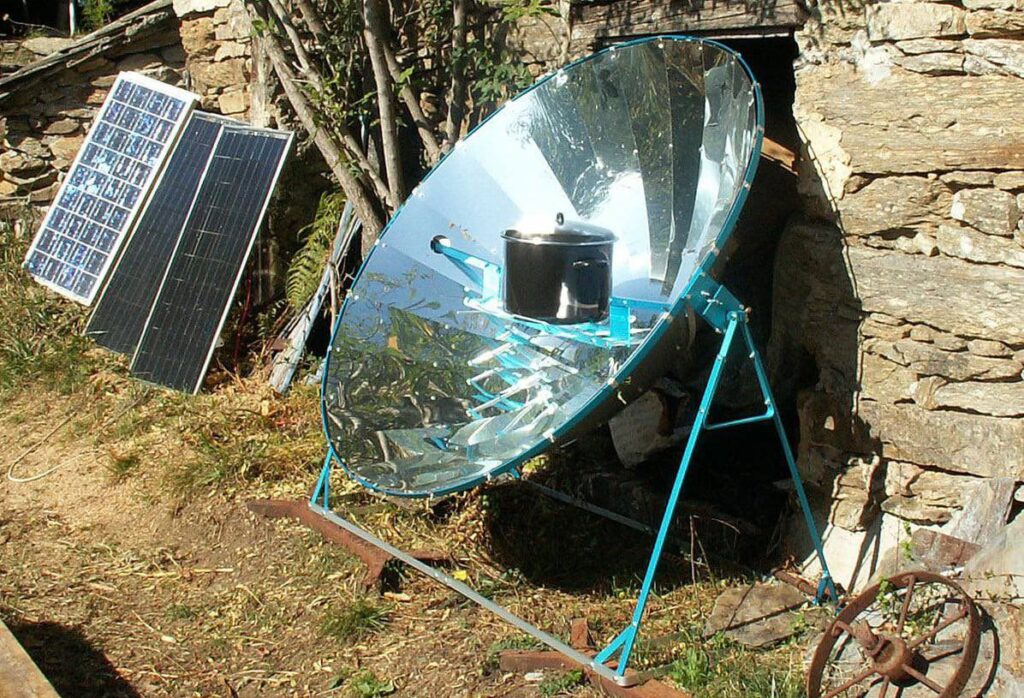
The Federal Ministry of Women Affairs and Social Development has signed a Memorandum of Understanding with Clean Sustainable Renewable Solutions Limited to deploy four million ECOCA Solar Electric Cookstove units to households across Nigeria. The agreement, executed on behalf of Minister Imaan Sulaiman-Ibrahim by Permanent Secretary Mrs. Esuabana Nko Asanye, is part of the Green Economy Empowerment 774 programme.
The initiative is designed to expand access to clean cooking solutions, reduce indoor air pollution and contribute to Nigeria’s climate commitments. According to the Ministry, indoor air pollution from traditional biomass cooking contributes to an estimated 95,000 deaths annually in Nigeria, with women and children disproportionately affected.
Nigeria remains heavily dependent on firewood and charcoal for household cooking, particularly in rural and low-income communities. This reliance contributes to deforestation, carbon emissions, and adverse health outcomes. Clean cooking access has become a central issue within global energy transition discussions, especially in developing economies.
The ECOCA solar cookstove rollout aligns with Nigeria’s Nationally Determined Contributions under the Paris Agreement. It also meets the federal government’s net-zero emissions target by 2060. Through the Green Economy Empowerment 774 framework, the Ministry aims to integrate climate action with gender equity and social development objectives across the country’s 774 local government areas.
Read Also: Youth Ministry Advances Inclusive Green Economy with Solar Electric for Entrepreneurs
The Ministry projects each cookstove to offset approximately 4.5 tonnes of carbon dioxide annually. If achieved, the four million-unit deployment could represent a substantial emissions reduction within Nigeria’s household energy sector.
Beyond climate impact, the programme is positioned as a gender-focused intervention. Also, by reducing reliance on firewood collection and conventional cooking methods, the initiative may ease time burdens on women. It could additionally improve health outcomes and expand opportunities for education and income generation.
What Comes Next?
From an economic standpoint, large-scale deployment could stimulate activity within the renewable energy value chain. However, sector analysts note that adoption rates, product durability, and financing structures will be key to sustained impact. Additionally, implementation timelines, funding models, and monitoring frameworks have yet to be fully disclosed. As Nigeria scales clean cooking interventions, measurable emissions reporting, transparency, and long-term usability will determine whether the initiative delivers durable climate and social returns.
[give_form id="20698"]