csrreporters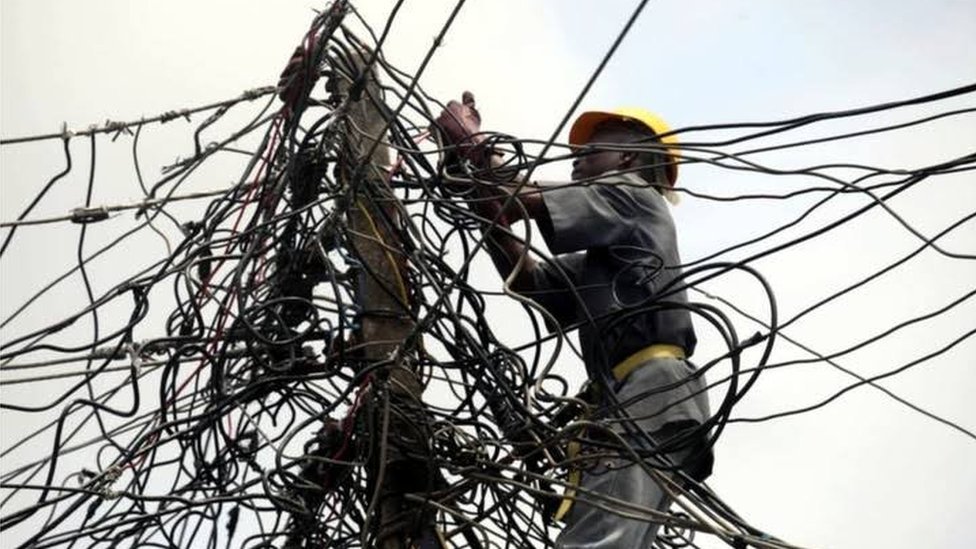
Nigeria’s electricity story is both layered and instructive. It reflects decades of ambition, policy shifts, and missed opportunities. At the same time, it reveals why conversations around corporate social responsibility and environmental, social, and governance standards are becoming more urgent across sectors. As energy demand rises and supply struggles to keep pace, the link between sustainable power and responsible business practices is now impossible to ignore.
From Early Ambition to Structural Gaps
Nigeria’s journey with electricity began with strong intent. Early investments focused on thermal power stations, which relied heavily on fossil fuels. Soon after, hydroelectric projects entered the mix, with landmark developments like Kainji Dam shaping national expectations around stable power supply.
These early efforts were not without vision. In fact, between 1970 and 1995, successive governments constructed hundreds of dams under structured national development plans. These projects were designed to serve multiple purposes. They were meant to support electricity generation, irrigation, and domestic water supply.
However, over time, many of these assets became underutilized. While a few dams remain active and visible, a large number have either been poorly maintained or completely abandoned. As a result, infrastructure that could have supported both energy security and agricultural productivity has not delivered its full value.
This gap between potential and reality continues to shape Nigeria’s current electricity challenges. It also raises important governance questions, especially around long-term planning, accountability, and sustainability.
The Current Energy Mix and Its Pressures
Today, Nigeria operates a mixed energy system dominated by thermal and hydro sources. However, there is a clear overreliance on gas-powered plants. While gas remains a critical resource, this dependence introduces vulnerabilities. Supply disruptions, pricing challenges, and infrastructure constraints often affect generation capacity.
At the same time, hydroelectric power, which should provide balance, has not been fully optimized. Seasonal water levels, maintenance issues, and aging infrastructure limit output. Consequently, the system struggles to meet growing demand from households and industries.
In addition, population growth and urban expansion continue to increase pressure on the grid. Businesses, therefore, face rising operational costs as they turn to alternative power sources such as diesel generators. This situation not only affects profitability but also raises environmental concerns due to increased emissions.
Therefore, the current energy mix highlights a deeper issue. It is not just about generation capacity but about how resources are managed, diversified, and sustained over time.
Renewable Energy as a Strategic Opportunity
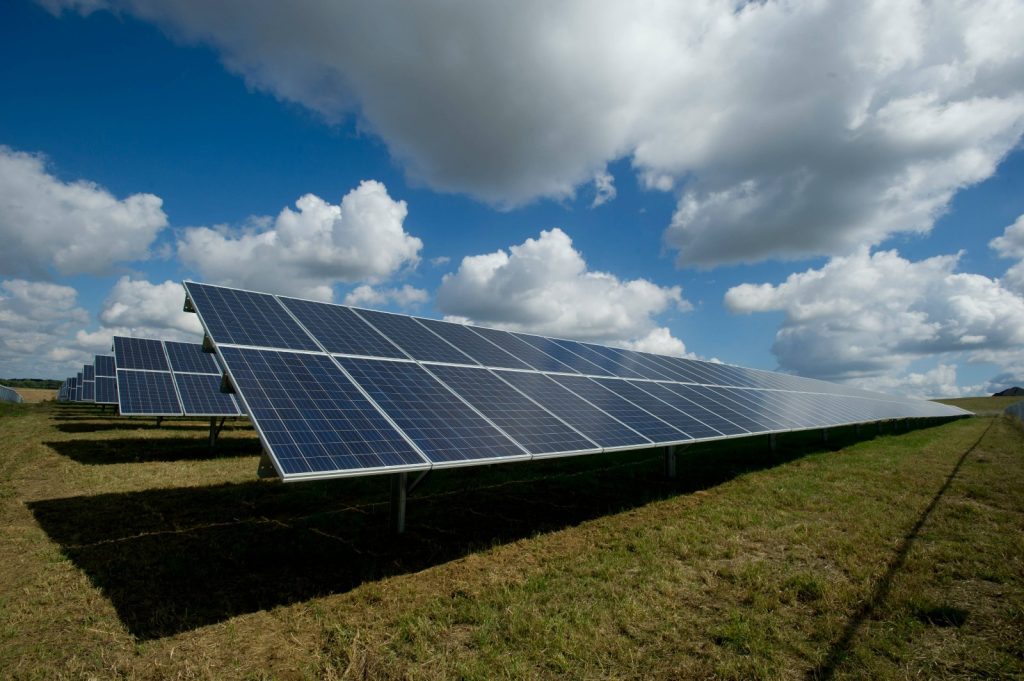
Amid these challenges, renewable energy is gaining attention as a viable path forward. Solar, wind, and small-scale hydro solutions offer opportunities to diversify Nigeria’s energy base. Moreover, they align with global sustainability goals and local development needs.
For instance, solar energy has strong potential due to Nigeria’s geographic location. Many communities, especially in rural areas, can benefit from decentralized solar solutions. These systems can reduce reliance on the national grid while improving access to electricity.
Similarly, rehabilitating existing dams presents another opportunity. If properly maintained and upgraded, these assets can significantly boost hydroelectric output. This approach also supports water management for agriculture and domestic use, creating multiple layers of impact.
Furthermore, renewable energy projects can attract investment. Both local and international stakeholders are increasingly interested in sustainable infrastructure. However, such investments often depend on clear policies, transparency, and strong governance frameworks.
As a result, renewable energy is not just an environmental choice. It is also an economic and social strategy that can drive inclusive growth.
ESG and the Business Response
As Nigeria’s energy landscape evolves, businesses are being called to play a more active role. ESG principles provide a useful framework for this engagement. They encourage companies to consider not only profit but also environmental impact, social responsibility, and governance practices.
Energy use sits at the center of this conversation. Companies that rely heavily on fossil fuels face increasing scrutiny. Stakeholders now expect organizations to adopt cleaner energy sources, improve efficiency, and reduce emissions.
At the same time, social considerations are becoming more prominent. Reliable electricity affects job creation, community development, and overall quality of life. Businesses that invest in sustainable energy solutions can contribute to these outcomes while strengthening their social license to operate.
Governance also plays a key role. Transparent reporting, ethical decision-making, and long-term planning are essential for building trust. In the context of energy, this includes how companies source power, manage risks, and engage with public infrastructure.
Therefore, ESG is not a separate agenda. It is closely linked to how businesses respond to Nigeria’s electricity challenges.
Read Also: Is Nigeria Ready for Mandatory Sustainability Reporting?
Lessons from Underutilized Infrastructure
The story of Nigeria’s dams offers important lessons. These assets represent significant public investment, yet many have not delivered expected returns. This situation highlights the cost of weak maintenance systems and inconsistent policy implementation.
Moreover, it underscores the importance of lifecycle thinking. Infrastructure projects require continuous oversight, not just initial construction. Without proper management, even the most ambitious projects can lose value over time.
From an ESG perspective, this raises questions about accountability. Who is responsible for ensuring that public assets remain functional? How can stakeholders collaborate to restore and optimize these resources?
In addition, there is a need for better data and transparency. Accurate records of infrastructure performance can guide decision-making and attract investment. They also enable citizens and organizations to hold institutions accountable.
Consequently, addressing these gaps is essential for building a more resilient energy system.
Policy Direction and the Way Forward
Recent developments suggest a growing recognition of these challenges. Conversations around energy reform, sustainability, and infrastructure management are becoming more prominent. While progress may be gradual, there is increasing alignment between policy goals and ESG principles.
Looking ahead, several priorities stand out. First, there is a need to diversify the energy mix. Reducing overreliance on gas while expanding renewable options can improve stability and sustainability.
Second, existing infrastructure must be rehabilitated. Reviving dormant dams and upgrading aging facilities can unlock significant capacity. This approach is often more cost-effective than building new projects from scratch.
Third, regulatory frameworks should support innovation and investment. Clear policies, incentives, and enforcement mechanisms can encourage both public and private sector participation.
In addition, collaboration will be critical. Government agencies, businesses, and development partners must work together to address systemic challenges. Shared responsibility can lead to more effective and sustainable solutions.
Finally, public awareness and engagement should not be overlooked. Citizens play a role in shaping demand, holding institutions accountable, and supporting sustainable practices.
A Broader CSR Perspective
Nigeria’s electricity challenges extend beyond technical and economic issues. They are also deeply connected to social outcomes. Access to reliable power affects education, healthcare, and overall well-being.
From a CSR standpoint, this creates both responsibility and opportunity. Organizations can support energy access initiatives, invest in community-based projects, and promote sustainable practices within their operations.
At the same time, there is a growing expectation for companies to align with national development priorities. Supporting energy sustainability can contribute to broader goals such as poverty reduction and economic growth.
However, it is important to approach these efforts with balance. CSR initiatives should complement, not replace, systemic solutions. Long-term impact depends on coordinated action across sectors.
Therefore, the role of CSR in Nigeria’s energy landscape is evolving. It is becoming more strategic, more integrated, and more aligned with ESG principles.
Turning Potential into Progress
Nigeria’s electricity story is still being written. While the challenges are significant, the opportunities are equally compelling. From underutilized dams to emerging renewable solutions, the country has resources that can support a more sustainable energy future.
However, realizing this potential requires deliberate action. Strong governance, consistent policy implementation, and active stakeholder engagement are essential. At the same time, businesses must embrace ESG principles as part of their core strategy.
Ultimately, the goal is not just to generate more power. It is to create a system that is reliable, inclusive, and sustainable. By aligning infrastructure, policy, and corporate responsibility, Nigeria can move closer to that vision.
[give_form id="20698"]