Between Diplomacy and Domestic Reality: Tinubu’s UK Visit, Nigeria’s Governance Test, and the Urgent Need for Credible Alternatives
 csrreporters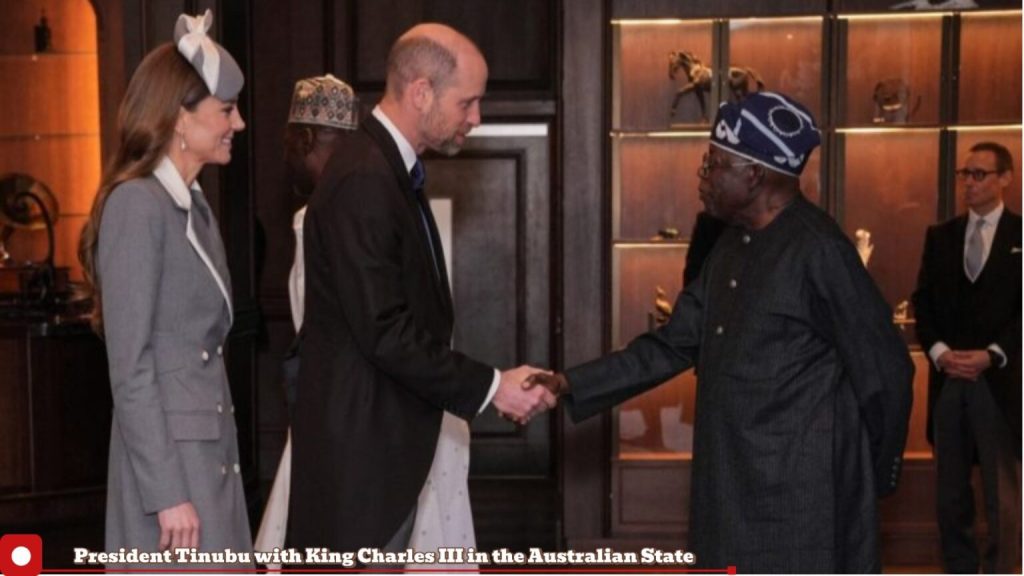
Between Diplomacy and Domestic Reality: Tinubu’s UK Visit, Nigeria’s Governance Test, and the Urgent Need for Credible Alternatives
Eche Munonnye
There are moments in a nation’s history that demand honesty — even when that honesty is uncomfortable.
President Bola Ahmed Tinubu’s recent visit to the United Kingdom is one of such moments — one that compels reflection not just on diplomacy, but on governance, accountability, and national priorities.
Let me be clear.
I did not vote for President Tinubu in the last election. And as it stands, I am not certain I would support him in the next — unless a more credible alternative emerges.
But responsible civic and policy discourse must rise above personal preferences.
From a governance standpoint, Tinubu has demonstrated political resilience, institutional navigation, and strategic positioning that cannot be ignored. His continued relevance in Nigeria’s power architecture reflects a deep understanding of political systems and influence.
His UK engagement signals intent:
Nigeria is actively repositioning itself within global economic and diplomatic conversations.
For a country seeking foreign investment, trade partnerships, and international legitimacy, such engagements are necessary.
But they are not sufficient.
Global Optics vs Domestic Reality
The real test of leadership is not how a nation is perceived abroad, but how its citizens experience governance at home.
Nigeria today faces a convergence of crises:
- According to data from ACLED, thousands of Nigerians continue to be killed annually due to armed conflict, banditry, and insurgency.
- The National Bureau of Statistics has consistently reported rising multidimensional poverty, with over 130 million Nigerians classified as poor.
- Reports from SBM Intelligence estimate that millions have been displaced or affected by insecurity across northern Nigeria alone.
- Food inflation and cost-of-living pressures have intensified, eroding purchasing power and deepening inequality.
These are not abstract figures.
They represent lives disrupted, communities destabilised, and a growing gap between governance and the governed.
This raises a fundamental CSR and governance question:
Can international diplomacy be considered successful if it does not translate into measurable improvements in citizens’ welfare?
Public Resources and Political Optics
Equally concerning is the reported movement of top political office holders — including officials from Aso Rock and multiple state governors — to London in what appeared to be a show of political solidarity.
From a corporate governance perspective, this would raise red flags.
In the private sector, such expenditure without clear return on investment would trigger scrutiny, audits, and accountability measures.
Why should public governance be any different?
At a time of fiscal strain, rising debt burdens, and economic hardship, the use of public funds for large political entourages demands transparency.
Governance must move from loyalty signalling to value delivery.
The CSR Lens: Accountability, Impact, and Stakeholder Priority
At CSR REPORTERS, we consistently emphasise that responsible leadership — whether in business or government — must be anchored on three principles:
Accountability.
Impact.
Stakeholder prioritisation.
For government, the primary stakeholders are citizens.
This means:
- Security must be measurable and improving
- Economic policies must reduce hardship, not intensify it
- Public spending must be justified and transparent
International engagement should be a tool — not a substitute — for domestic performance.
The Opposition Gap: A Governance Risk
One of the most critical — yet under-discussed — risks to Nigeria’s democracy today is the weakness of the opposition.
Democracy thrives on choice.
But choice is only meaningful when alternatives are credible.
At present:
- The ruling establishment appears structured, visible, and politically coordinated
- The opposition remains fragmented, reactive, and largely defined by criticism rather than policy clarity
This creates a dangerous imbalance.
Because when voters are left choosing between dissatisfaction and uncertainty, the status quo often prevails.
Elections are not won on outrage.
They are won on organisation, vision, and trust.
President Tinubu, Prioritise Nigerians
President Tinubu stands at a defining moment.
The symbolism of global engagement must now give way to the substance of domestic transformation.
This administration must demonstrate — clearly and urgently — that:
- Security is improving
- Economic hardship is being addressed
- Public resources are being managed responsibly
Nigerians must not feel like secondary stakeholders in their own country.
A Call to the Opposition: Build, Not Just Criticise
For the opposition, the path forward is clear:
Move beyond rhetoric.
Develop policy alternatives.
Engage citizens consistently.
Because without a credible opposition, democracy weakens — and governance suffers.
The Leadership Test Nigeria Cannot Avoid
This is not an endorsement of the President.
It is a call for balance, responsibility, and truth.
Nigeria’s future will not be defined by foreign visits alone — but by how leadership responds to insecurity, economic hardship, and public trust deficits at home.
At this moment in history, both the government and the opposition face the same test:
Will they rise to meet the expectations of Nigerians — or continue to operate within the comfort of political convenience?
[give_form id="20698"]