csrreporters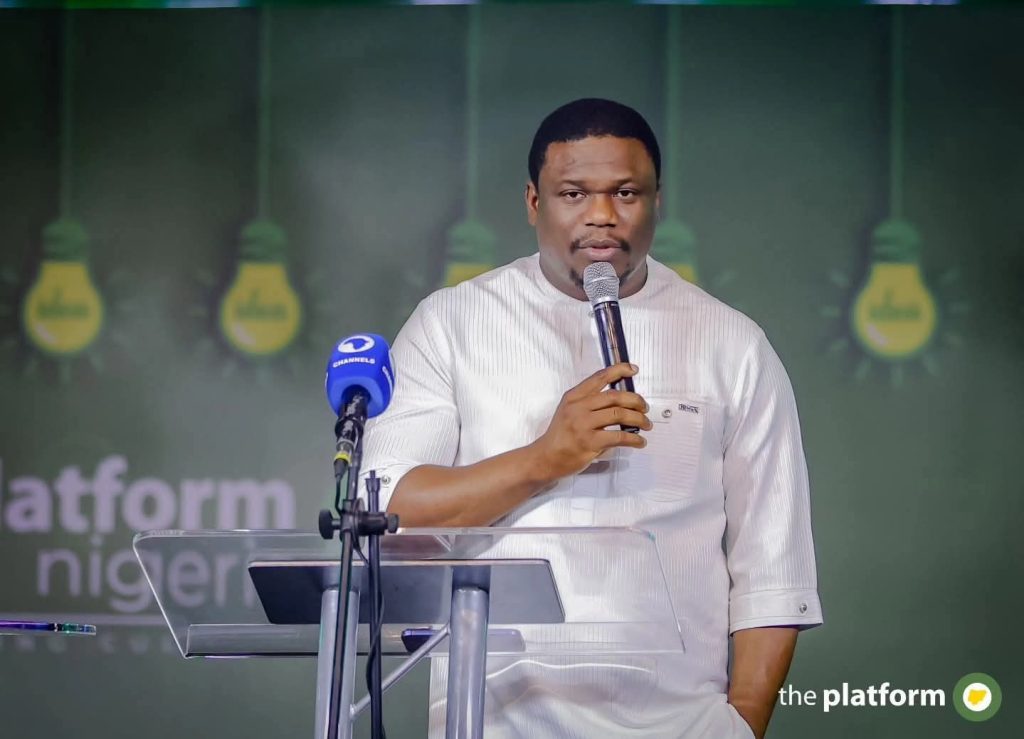
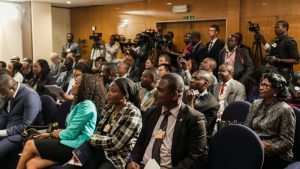
On May 1, as Nigeria marked International Workers’ Day, a comment made on a public stage sparked a nationwide debate. At The Platform, Tosin Eniolorunda, CEO of Moniepoint, said his company had over 500 roles it could not fill. He argued that many applicants did not meet global standards.
However, the timing mattered. Workers’ Day is meant to celebrate labour, so the comment felt jarring. As a result, reactions came quickly and strongly across Nigeria’s digital space.
The Backlash That Followed
Almost immediately, professionals began to push back. While some agreed that skills gaps exist, many challenged the framing of the issue.
First, candidates pointed to hiring experiences. Several described missed interviews, delayed feedback, or unclear recruitment processes. Consequently, the issue shifted from talent availability to hiring efficiency.
Second, compensation became a central concern. Many argued that companies often seek senior-level expertise but offer salaries that fall below global benchmarks. Therefore, experienced professionals simply look elsewhere.
In addition, some current and former employees questioned workplace conditions. Although these accounts vary, they contributed to a broader perception gap between employer branding and lived experience.
What the CEO Clarified
Following the backlash, the Moniepoint CEO clarified his remarks. He explained that his comments referred mainly to a shortage of highly skilled senior professionals still based in Nigeria.
This distinction matters. On one hand, it acknowledges that talent exists. On the other hand, it suggests that access to that talent remains limited.
Still, the clarification did not fully settle the debate. Instead, it deepened an already complex conversation about Nigeria’s workforce.
Did You See Our International Worker’s Day Report?
Talent Exists but It Is Moving
Nigeria continues to produce highly skilled professionals. In fact, many now work remotely for global companies. As a result, Nigerian talent is increasingly visible on the international stage.
Moreover, fintech and tech firms worldwide actively recruit from Nigeria. This trend suggests that capability is not the core issue. Instead, alignment between talent and opportunity may be the real challenge.
Therefore, the question is no longer whether talent exists. The real question is where that talent chooses to work and why.

A Skills Gap or a Systems Gap?
There is no doubt that Nigeria faces a skills pipeline challenge. Education gaps remain, and specialised expertise takes time to build.
However, that is only part of the picture. Companies that require top-tier talent typically follow two paths. They either invest in training or pay competitively to attract ready-made expertise.
Yet, many professionals argue that some employers are doing neither. Instead, they say expectations remain high while investment remains limited.
At the same time, businesses operate in a global market. As Tosin Eniolorunda noted, competition is no longer local but international.
Because of this, the disconnect becomes clearer. Companies want global output, but the systems supporting talent may still be evolving.
The CSR and ESG Perspective
From a CSR standpoint, this debate goes beyond one company. It highlights how organisations approach human capital development. Strong companies do not just hire talent. Instead, they build pipelines, invest in people, and create long term value.
For example, Nigeria’s oil and gas sector developed local expertise over time through structured training and investment. As a result, dependence on foreign talent reduced significantly.
Similarly, the tech sector now faces a choice. It can either invest in developing talent or compete globally for it. Therefore, the issue becomes strategic. Human capital is not just an HR concern. It is a core ESG priority.
The Bigger Question
Ultimately, this debate reveals a deeper disconnect. Employers say talent is not ready. Workers say the system is not fair.
The truth likely sits somewhere in between. However, one fact stands out clearly. In a country of over 200 million people, talent is unlikely to be absent.
Instead, the real issue may be alignment. How talent is trained, hired, and rewarded will determine the future of Nigeria’s workforce. Until that alignment improves, the gap between job openings and filled roles will remain.
[give_form id="20698"]