20 Most Consistent Climate Change Advocates in Nigeria and How Their Work is Reshaping the Future
 csrreporters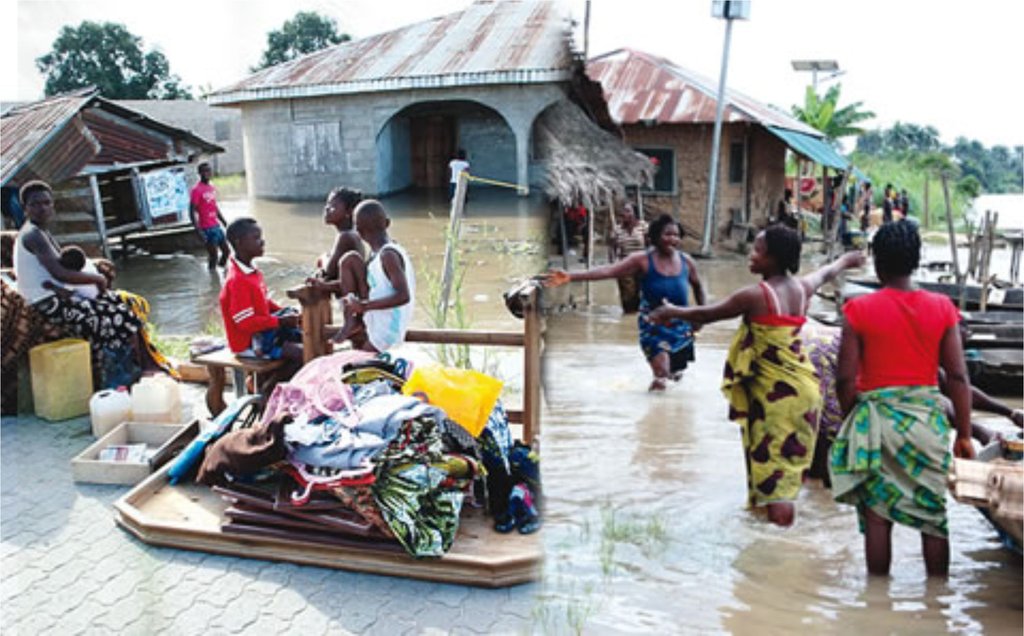
20 Most Consistent Climate Change Advocates in Nigeria and How Their Work is Reshaping the Future
Between Heatwaves and Silence: The People Nigeria Cannot Afford to Ignore
In the Niger Delta, gas flares still burn like permanent sunrise. In the North, desertification keeps redrawing the map of livelihoods. In Lagos, floods arrive faster than infrastructure can respond. Yet in the middle of this unfolding crisis—often away from the spotlight—a different kind of force is building.
Not pipelines. Not policy drafts locked in bureaucratic drawers. But people.
They are lawyers, scientists, youth mobilizers, entrepreneurs, and community defenders. They are Nigeria’s climate advocates—working in a system that often listens slowly, responds selectively, and changes reluctantly.
And still, they persist.
This is not a story of comfort. It is a story of pressure, resistance, and slow but deliberate system disruption.
A Movement Built Without Permission
Nigeria’s climate advocacy space did not emerge from institutional planning. It was forced into existence by environmental collapse, governance gaps, and community survival.
From oil-impacted communities in the Niger Delta to renewable energy startups challenging fossil dependency, a fragmented but powerful ecosystem of advocates is reshaping what climate action means in Nigeria.
Their influence is not always visible in headlines. It is embedded in policy drafts, court petitions, classrooms, coastal communities, and renewable energy pilots quietly replacing diesel dependence.
What follows is not just a list of names—it is a map of influence.
The Advocates Reshaping Nigeria’s Climate Reality
Olumide Idowu (Mr. Climate)
A leading youth climate strategist who has spent years building climate literacy across Africa.
He operates at the intersection of education and policy engagement, ensuring climate conversations are not locked in elite spaces.
System shift: Normalising youth participation in climate governance discussions.
Adenike Oladosu
Ecofeminist and founder of I Lead Climate Action Initiative.
Her activism links gender inequality with climate vulnerability, particularly in northern Nigeria.
System shift: Reframing climate change as a gendered justice issue, not just an environmental one.
Adesuwa Obasuyi
Waste management and policy specialist.
She works within institutional frameworks pushing for circular economy thinking.
System shift: Influencing how Nigeria approaches waste, consumption, and urban sustainability.
Titilope Akosa
Environmental lawyer and founder of C21st Nigeria.
She brings legal accountability into environmental governance debates.
System shift: Strengthening climate litigation and environmental rights enforcement.
Saviour Iwezue
Youth climate educator focused on schools and early learning systems.
He is building climate awareness from the classroom upward.
System shift: Embedding climate literacy into foundational education.
Iroro Tanshi
Conservation ecologist and biodiversity advocate.
Her work connects biodiversity loss with long-term climate instability.
System shift: Bringing scientific rigor into conservation policy conversations.
Sandra Chukwudozie
Renewable energy entrepreneur.
She is tackling energy poverty through clean energy solutions.
System shift: Accelerating private-sector transition toward renewable energy access.
Nnimmo Bassey
Veteran environmental justice advocate.
He has long challenged oil extraction impacts and environmental neglect.
System shift: Framing climate justice as structural accountability, not charity.
Chukwumerije Okereke
Climate governance scholar bridging research and policy.
System shift: Strengthening evidence-based climate adaptation frameworks.
Desmond Majekodunmi
Environmental educator and conservationist.
System shift: Building environmental consciousness through education and public engagement.
Seyifunmi Adebote
Youth activist focused on environmental justice and climate accountability.
System shift: Expanding youth participation into climate advocacy and legal awareness.
Victoria Ibezim-Ohaeri
Human rights and environmental justice researcher.
System shift: Documenting climate displacement and rights violations.
David Terungwa
Food security and ecosystem preservation advocate.
System shift: Linking agriculture, food systems, and climate resilience.
Enefa Georgewill
Niger Delta environmental rights advocate.
System shift: Amplifying community resistance to pollution and ecological harm.
Olanrewaju Suraju
Anti-corruption and governance accountability advocate.
System shift: Connecting governance integrity to environmental outcomes.
The Invisible Architecture of Climate Resistance
What unites these advocates is not uniform strategy—but shared resistance to inertia.
Some operate inside policy rooms. Others operate in protest spaces. Some build startups. Others build legal cases. But collectively, they are applying pressure on a system that historically treats climate change as a secondary concern to economic extraction.
Their work exposes three uncomfortable truths:
- Climate policy in Nigeria is still unevenly enforced
- Environmental harm is often normalised in extractive regions
- Community voices remain structurally underrepresented in decision-making
And yet, despite these constraints, influence is shifting.
Where the System Is Starting to Move
Across Nigeria, their combined efforts are beginning to show structural effects:
- Climate education is slowly entering formal and informal learning spaces
- Renewable energy adoption is expanding beyond pilot discussions
- Environmental justice is gaining legal and civic visibility
- Youth participation is no longer symbolic—it is increasingly strategic
- Corporate actors are facing sharper scrutiny on environmental impact claims
This is not transformation completed. It is transformation contested.
Beyond Recognition: The Weight of Persistence
What stands out in this landscape is not just influence—but endurance.
Climate advocacy in Nigeria is rarely linear. It is often underfunded, politically complex, and socially misunderstood. Yet these individuals continue to push against systems that were not designed to move quickly—or sometimes, to move at all.
Their contribution is not only in outcomes, but in pressure sustained over time.
And in a country where environmental risks are rising faster than institutional response, that persistence is not symbolic. It is structural.
Reflection
Nigeria’s climate future will not be defined by declarations alone. It will be defined by whether systems change fast enough to match the urgency already lived in communities.
These 20 advocates are not waiting for permission to shape that future.
They are already doing it—through law, education, enterprise, science, and resistance.
And in that quiet, sustained pressure, a system long accustomed to delay is being forced to listen.
[give_form id="20698"]