csrreporters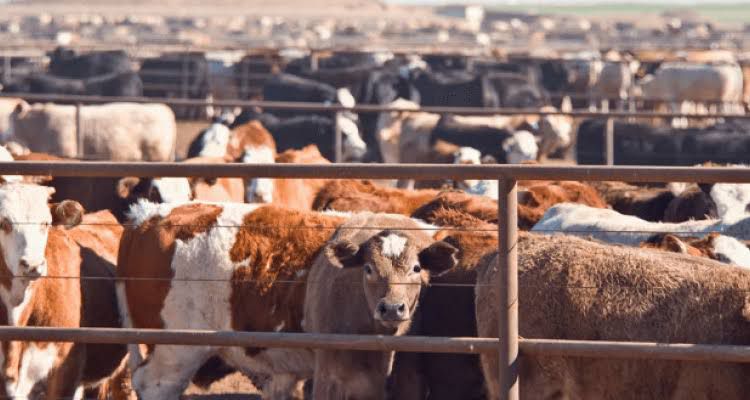
Nigeria’s livestock industry, one of the most critical yet under-structured segments of the country’s agricultural economy, is set for a major shift as the Federal Government moves to deepen reforms through a nationwide baseline study of the sector.
The initiative, being driven by the Federal Ministry of Livestock Development, signals a growing recognition that sustainable reform in agriculture cannot happen without accurate, reliable, and up-to-date data.
For decades, the livestock sector has operated largely on fragmented information, informal systems, and limited documentation—challenges that have slowed investment, policy planning, and effective development across the value chain.
Now, the government says it is taking a different path.
A Foundation for Reform: Why the Study Matters
The nationwide study is designed to provide a comprehensive assessment of Nigeria’s livestock ecosystem. This includes mapping production systems, identifying key stakeholders, and understanding the structural gaps affecting productivity and growth.
At its core, the initiative aims to establish a baseline dataset that will guide future policies, investments, and interventions in the sector.
Livestock plays a critical role in Nigeria’s economy, contributing significantly to agriculture GDP and supporting millions of livelihoods across pastoral and rural communities. However, persistent issues such as low productivity, inadequate infrastructure, animal disease outbreaks, climate pressures, and farmer-herder tensions have continued to limit its full potential.
Without reliable data, addressing these challenges has remained reactive rather than strategic.
The new study is expected to change that approach.
From Assumptions to Evidence-Based Planning
One of the central goals of the initiative is to move Nigeria’s livestock development framework from assumptions to evidence-based planning.
For years, policymakers and stakeholders have relied on incomplete figures to make decisions about herd sizes, production output, grazing systems, and market dynamics. This has often led to inefficiencies in policy execution and limited impact on the ground.
By conducting a nationwide assessment, the Federal Ministry of Livestock Development aims to close this gap and provide a clearer picture of the sector’s real structure and needs.
The study will reportedly cover key aspects of the value chain, including production systems, distribution networks, processing capacity, and market access.
This approach is expected to support more targeted interventions, reduce duplication of efforts, and improve coordination among stakeholders.
Livestock as a Strategic Economic Priority
Nigeria’s renewed focus on livestock development comes at a time when food security and agricultural resilience are increasingly central to national economic discussions.
Livestock is not only a source of protein but also a key driver of rural employment, trade, and export potential. Yet, despite its importance, the sector has often been underdeveloped compared to crop agriculture.
By investing in foundational data collection, the government is effectively laying the groundwork for long-term structural reform.
Experts argue that this type of baseline study is essential for unlocking private sector participation, attracting investment, and designing policies that reflect on-ground realities rather than projections.
In practical terms, it also means better planning for veterinary services, feed production systems, disease control mechanisms, and livestock infrastructure development.
This livestock study complements private sector efforts, such as the ₦3bn growth push in Nigeria’s livestock industry, underscoring the combined role of government and business in driving reform.
Addressing Long-Standing Structural Gaps
The livestock sector in Nigeria faces a range of structural challenges that have persisted for years.
These include:
- Poorly documented livestock populations
- Weak supply chain coordination
- Limited access to modern veterinary services
- Climate-related stress on grazing systems
- Informal and unregulated market structures
These issues have not only affected productivity but have also contributed to broader socio-economic tensions in some regions of the country.
The nationwide study is expected to help identify where these gaps are most severe and what targeted interventions are required at both federal and sub-national levels.
A Step Toward Sector Modernisation
Beyond data collection, the initiative represents a broader push toward modernising Nigeria’s livestock sector.
A well-structured database is expected to support:
- Improved policy formulation
- Better resource allocation
- Enhanced investor confidence
- Stronger value chain integration
- More effective monitoring and evaluation systems
For stakeholders, this could mark the beginning of a more coordinated and transparent livestock ecosystem.
It also aligns with broader national goals around agricultural transformation, food security, and economic diversification.
Implications for Farmers and Rural Communities
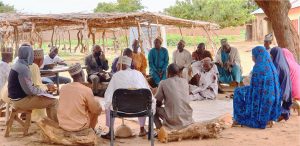
At the heart of the livestock sector are millions of smallholder farmers, pastoralists, and rural communities whose livelihoods depend on it.
For these groups, the success of the study will ultimately be measured not in reports or frameworks, but in tangible improvements—better access to services, improved productivity, reduced losses, and more stable income opportunities.
A data-driven system has the potential to make government interventions more responsive and inclusive, ensuring that support reaches the people who need it most.
However, stakeholders also note that data collection alone is not enough. The real impact will depend on how effectively the findings are translated into policy action.
Building a More Sustainable Future for Livestock
Sustainability is becoming an increasingly important part of agricultural planning globally, and Nigeria is beginning to reflect that shift in its livestock strategy.
Climate change, land use pressures, and environmental degradation continue to affect livestock production systems across the country.
A structured baseline study can help identify sustainable grazing models, improve resource planning, and support climate-resilient livestock practices.
In the long term, this could contribute to a more balanced and environmentally responsible livestock ecosystem.
A Critical First Step
The Federal Government’s decision to commence a nationwide livestock baseline study marks an important step toward rebuilding one of Nigeria’s most vital economic sectors on stronger foundations.
While the outcomes will depend on implementation, the move itself reflects a growing understanding that sustainable development in agriculture requires more than policy statements—it requires data, structure, and coordination.
If effectively executed, the initiative could serve as a turning point in how Nigeria understands, manages, and develops its livestock industry.
For now, it represents a critical first step toward a more informed and sustainable future for the sector.
[give_form id="20698"]