csrreporters
Nigeria’s clean energy transition received a major boost after the launch of a $188 million Green Finance Investment Facility designed to expand solar power access across underserved communities.
The new initiative was unveiled in Lagos through a partnership involving the Rural Electrification Agency (REA), Barton Heyman Limited, UK PACT, First City Monument Bank (FCMB), and ARM Harith Infrastructure Investment Limited (ARMHIIL). The platform aims to mobilise private and institutional investment for distributed renewable energy projects nationwide.
Stakeholders said the facility would finance 191 megawatts of distributed solar energy projects for households, businesses, and communities. In addition, the initiative could improve electricity access for more than one million Nigerians.
The launch comes as Nigeria continues to face serious electricity supply challenges. Many households and businesses still depend on fuel and diesel generators because of unstable grid power. Consequently, energy costs remain high for both urban and rural communities.
However, the new financing platform could strengthen Nigeria’s Environmental, Social and Governance goals. It can do this while supporting broader Corporate Social Responsibility commitments in the financial and energy sectors.
Blended Finance Model Targets Energy Access
The Green Finance Investment Facility operates as a blended finance platform. The structure combines development finance support, commercial lending, sovereign-backed pipelines, and grant-based funding. As a result, investors can participate in renewable energy projects with lower financial risk.
Energy experts at the launch explained that blended finance structures are becoming more important in emerging economies. Many renewable energy projects struggle to attract private capital because investors often worry about policy uncertainty and financing gaps.
Managing Director of the REA, described access to finance as one of the biggest barriers facing renewable energy deployment in Nigeria. According to him, the initiative was designed to create a more sustainable financing ecosystem for clean energy projects.
He explained that the REA would continue supporting project pipelines and results-based financing systems. He also added that stronger financing frameworks could improve investor confidence across the renewable energy sector.
The facility aligns with the Distributed Access through Renewable Energy Scale-Up programme, widely known as DARES. This national programme focuses on expanding decentralised electricity access in underserved and off-grid communities.
Private Sector Investment Expands
Private sector participation formed a major focus during the launch event. Stakeholders stressed that public funding alone cannot close Nigeria’s electricity access gap.
Managing Partner of Barton Heyman Limited, described the initiative as a commercially viable structure for large-scale renewable energy investment. He said the current platform represents the first phase of a broader clean energy ambition.
According to him, the long-term target involves mobilising up to $40 billion for distributed renewable energy projects nationwide. The wider goal also includes financing 20 gigawatts of renewable energy infrastructure across Nigeria.
He noted that the platform could directly support over one million Nigerians through improved electricity access. He added that private sector financing remains critical to the country’s energy transition efforts.
Meanwhile, a Senior Partner at Barton Heyman, linked electricity access to economic productivity and national competitiveness. He explained that reliable power supply allows businesses to operate more efficiently while supporting stronger supply chains. He also stated that every megawatt financed through the platform could create economic opportunities for underserved communities. Furthermore, he described the blended finance structure as a scalable model tailored to Nigeria’s energy realities.
ESG and CSR Goals Move to the Forefront
The launch also reflects growing attention toward ESG and CSR commitments within Nigeria’s banking and infrastructure sectors. Financial institutions increasingly face pressure to support environmentally sustainable projects while improving social impact.
Consequently, renewable energy investment now serves both commercial and sustainability goals for many organisations. Experts believe the shift could accelerate clean energy adoption across several industries.
FCMB highlighted its growing renewable energy financing portfolio during the event. The Senior Vice President and Divisional Head of the Business Banking Group, disclosed that the bank has committed N100 billion in debt financing to support the DARES programme.
He revealed that FCMB currently finances several developers under isolated mini-grid projects nationwide. The bank is also finalising additional financing arrangements for more renewable energy developers.
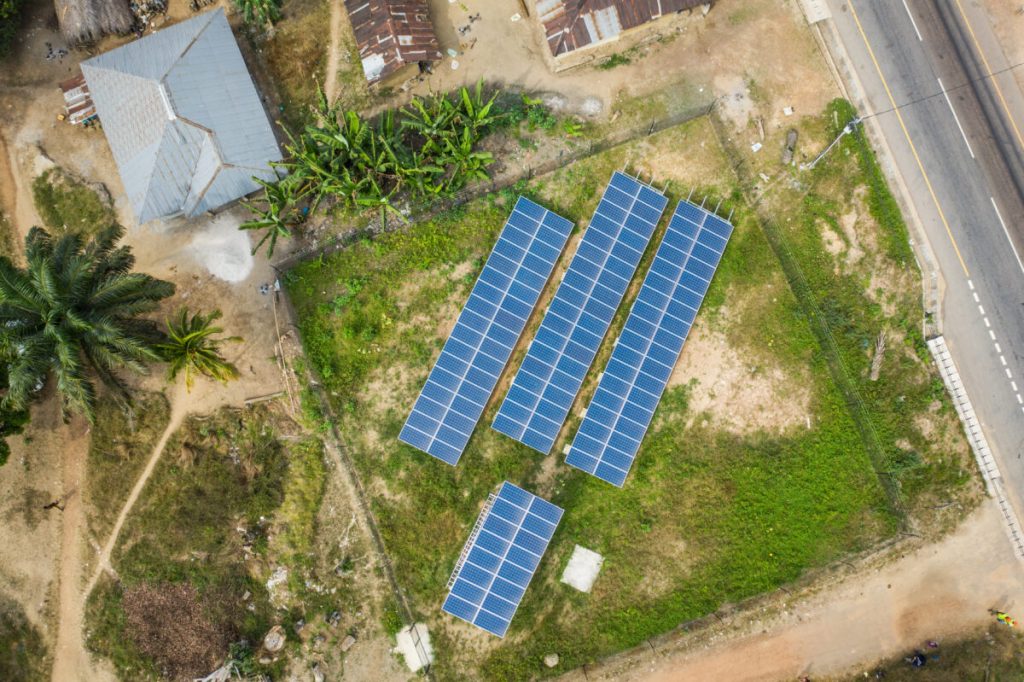
According to him, FCMB has financed more than 42 mini-grid projects across Nigeria. The bank is also supporting efforts aimed at connecting over two million households to electricity.
From a CSR perspective, initiatives like the Green Finance Investment Facility could improve living conditions in rural and peri-urban communities. Reliable electricity often supports better healthcare services, educational opportunities, and economic participation.
Small businesses may also benefit from improved power supply. Stable electricity can reduce dependence on generators while lowering operating costs for entrepreneurs.
Environmental benefits remain another important part of the initiative. Increased solar deployment could reduce reliance on fossil fuel generators that contribute to carbon emissions and air pollution.
As a result, the facility aligns with Nigeria’s climate goals while supporting cleaner and more sustainable communities.
Global Partnerships Support Renewable Energy Growth
Development partners and government officials also stressed the importance of collaboration during the launch event. Many stakeholders believe long-term cooperation remains essential for Nigeria’s clean energy transition.
Deputy Head of Mission at the British High Commission in Lagos, reaffirmed UK PACT’s commitment to strengthening green finance frameworks in Nigeria. He also highlighted the importance of expanding renewable energy adoption across underserved regions.
Meanwhile, Lagos State Special Adviser on Climate Change and Circular Economy, called for stronger policy support and sustained investment in sustainable energy infrastructure. She explained that coordinated investment and innovation could accelerate renewable energy access across Nigeria. She also encouraged stronger partnerships among financial institutions, policymakers, and developers.
Similarly, ARM Harith Infrastructure Investment Limited urged stakeholders to deepen collaboration within the energy ecosystem. Industry experts believe stronger partnerships could unlock additional investment opportunities in renewable infrastructure.
Analysts also note that renewable energy projects often require long-term financing and policy consistency. Therefore, collaboration between public institutions and private investors remains important for sector growth.
Nigeria’s Energy Transition Faces Crucial Moment
Nigeria still faces one of Africa’s largest electricity access deficits despite years of energy sector reforms. Millions of households and businesses continue to operate without reliable power supply.
Consequently, decentralised renewable energy systems are receiving greater attention from investors and policymakers. Solar mini-grids and off-grid solutions are increasingly viewed as practical alternatives for underserved communities.
Recent global energy trends have also increased investor interest in sustainable infrastructure projects across Africa. Nigeria’s large population and rising energy demand continue to attract attention from development finance institutions and private investors.
However, experts caution that financing alone may not solve every challenge facing the sector. Regulatory consistency, infrastructure security, and effective project execution will still influence investor confidence.
Nevertheless, stakeholders at the launch expressed optimism about the future of renewable energy financing in Nigeria. Many believe the Green Finance Investment Facility could become a model for clean energy investment across the continent.
If implemented successfully, the initiative could strengthen Nigeria’s energy transition while delivering measurable social and economic benefits. For underserved communities, reliable electricity could create new opportunities for growth, productivity, and long-term resilience.
[give_form id="20698"]