csrreporters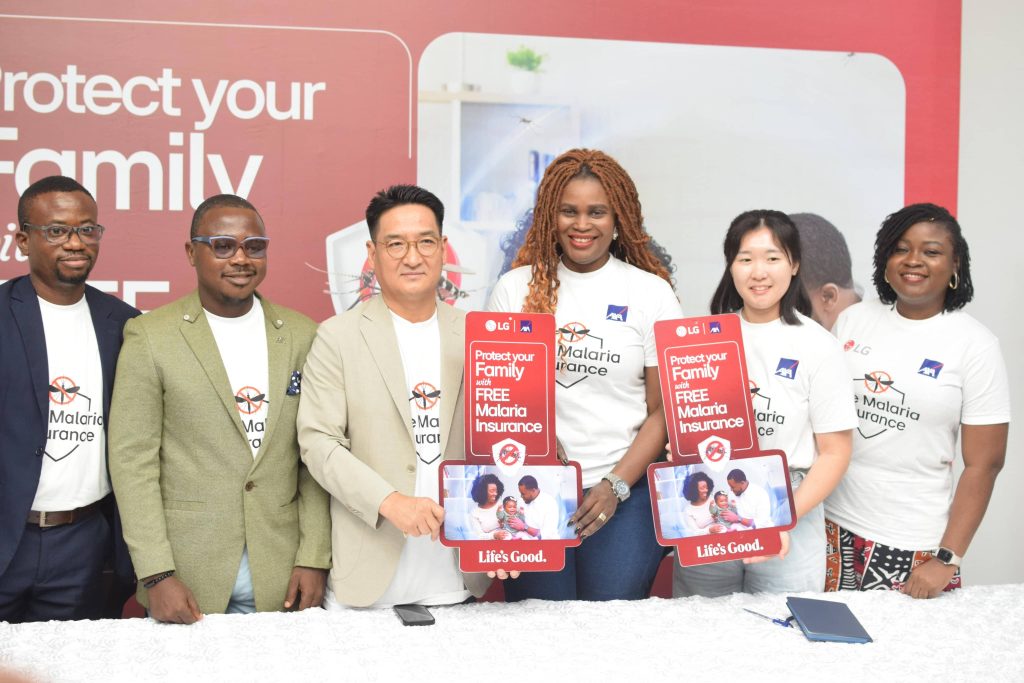
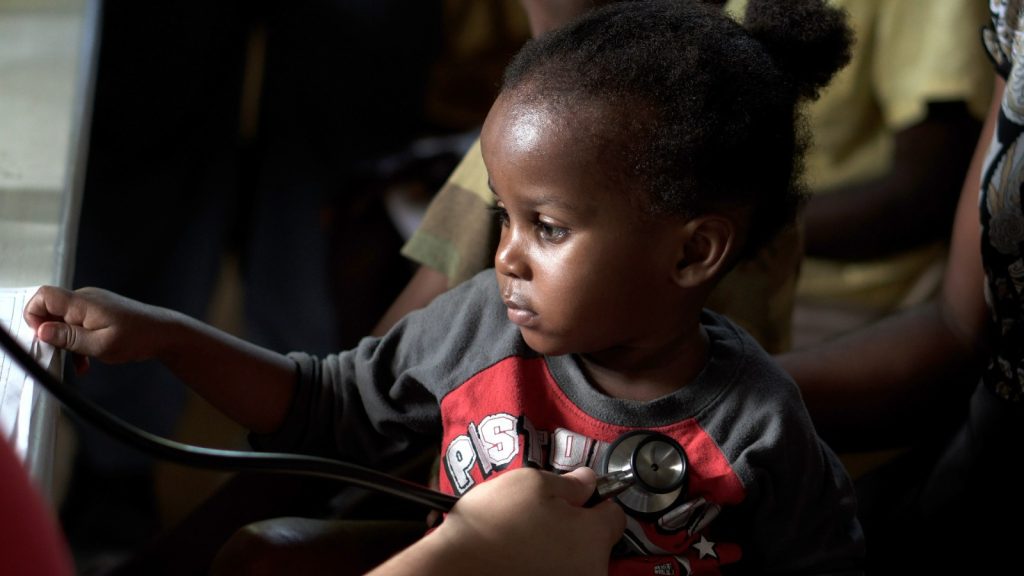
Nigeria carries a heavier malaria burden than any other nation on earth. According to the World Health Organisation, Nigeria accounts for roughly 26% of all global malaria cases (1). The country and several other African nations together contribute to nearly half of the global burden.
That figure is not merely a public health statistic. It represents millions of families managing fever, hospital visits, and lost income at the same time. These often happen without any form of insurance to absorb the cost.
This week, LG Electronics Nigeria addressed that reality in a manner that few technology companies in this market have attempted. The brand announced a significant expansion of its consumer healthcare initiative. This moves beyond its earlier malaria-focused insurance programme to offer broader health support for Nigerians through its ongoing partnership with AXA Mansard Health.
A Tech Brand That Chose a Different Lane
Most consumer electronics brands in Nigeria compete primarily on product specifications, warranty terms, and retail pricing. LG Electronics has been doing that too. In addition, however, the company has spent the past year building a healthcare dimension into its consumer offer. One that has now entered its second and more ambitious phase.
The foundation of this initiative is the Life’s Good Care Campaign. This programme was designed to protect families and strengthen community wellbeing nationwide. That earlier phase, launched in October 2025, established a partnership with AXA Mansard Health.
It aimed to provide free malaria insurance to customers who purchased selected LG products. Customers could access Standard, Classic, and Premium malaria-care plans. Each including telemedicine services, prescription drug delivery, and, under the Premium plan, access to over 1,000 hospitals nationwide.
That foundation was already uncommon in Nigeria’s consumer electronics space. It’s why we included them in our report on 5 Top Malaria Efforts in Nigeria.
What happened in May 2026 builds on it in a way that is considerably harder to dismiss as seasonal marketing.
What the Expanded Cover Actually Includes
Under the new arrangement, eligible customers who purchase selected LG air conditioner models receive free health insurance covering a range of common and uncomplicated medical conditions. The expanded plan reflects what Nigerian households actually encounter at the clinic, not aspirational coverage designed around edge cases.
The AXA Mansard-backed package covers malaria, uncomplicated typhoid, and acute febrile illnesses. Furthermore, it extends to upper respiratory tract infections, mild cough, and mild bronchial asthma. Gastrointestinal conditions are included as well, among them diarrhoea, dysentery, abdominal colic, and worm infections. Skin and eye infections, dermatitis, bruises, lacerations, musculoskeletal pain, urinary tract infections, and pelvic inflammatory disease are likewise covered.
Speaking on the initiative, General Manager of the Eco Solutions Division at LG Electronics Nigeria, Joonkyu Song, said: “This initiative reflects our understanding of what truly matters to Nigerian consumers beyond the products they purchase. We began by addressing malaria because of its widespread impact, and today we are proud to take this initiative further by offering more comprehensive health coverage. It is our way of supporting Nigerian families not just with reliable home solutions, but with care that extends into their everyday lives.”
To activate the free plan, eligible customers simply visit Fouani Showrooms or any accredited LG dealer nationwide.
Why This Is More Than a Sales Strategy
At first glance, bundling health insurance with an air conditioner purchase could read as a creative retail promotion dressed in CSR language. A closer look at the timeline, however, tells a genuinely different story.
The initiative is now in its second documented phase. That progression matters considerably. Programmes that grow, deepen, and expand over time are structurally different from single-event gestures built around a press release. LG’s model demonstrates internal organisational backing. Also by working with a credible and regulated health partner, AXA Mansard, it shows a consistent reading of what Nigerian consumers need beyond home appliances.
Moreover, the conditions covered are precisely those that hit Nigerian households hardest most frequently. Malaria, typhoid, respiratory infections, and gastrointestinal illness are among the leading reasons for outpatient visits across the country. Therefore, the coverage is practical and immediate, not abstract.
Additionally, the product integration is astute from a social design perspective. Air conditioners typically appeal to a middle-income urban consumer. A segment that still lacks consistent health insurance coverage.
By tying the benefit to a purchase, LG meets that segment at a natural transaction point. In doing so, they may be introducing insurance-seeking behaviour to consumers who would not otherwise have sought it. Consequently, the social reach of this initiative may extend further than a simple tally of units sold would suggest.
Beyond the insurance component, the initiative also aligns with LG’s broader product philosophy. Selected air conditioner models in the DUALCOOL range feature Dual Inverter Compressor technology for energy efficiency. While the Mosquito Away technology, integrated into selected models, uses ultrasonic waves to help reduce mosquito presence indoors. A feature particularly relevant in malaria-prone environments. The product and the CSR layer reinforce each other in a way that is coherent rather than coincidental.
The Gaps That Honest Coverage Should Acknowledge
Nevertheless, the initiative does carry real structural limits. Access to the programme depends entirely on a product purchase, which means it cannot benefit the most economically vulnerable Nigerians. Someone who cannot afford a new air conditioner cannot unlock the health coverage. That boundary is not a flaw in the programme’s execution; it is an inherent constraint of the model.
Similarly, the logistics of the original malaria programme leaned heavily on Lagos infrastructure, particularly around prescription drug delivery. As the programme grows in scope, its geographic reach will need to expand alongside it, especially into states where healthcare access gaps are most severe.
Furthermore, no corporate health initiative resolves the structural underfunding of Nigeria’s public health system on its own. Even so, LG Electronics Nigeria is doing something meaningful within the space where it actually operates. Acting within existing market constraints while consistently pushing the ceiling upward is a form of corporate citizenship that deserves recognition, even when the ceiling has not yet been fully raised.
What the Rest of the Corporate Sector Can Take From This
LG Electronics Nigeria has done something structurally rare in this market. It has taken a product category, residential air conditioning, that carries no obvious association with healthcare, and used it as a delivery mechanism for practical social protection. Beyond that, the company has remained committed across multiple phases, deepened the offer over time, and partnered with a credible health insurer to execute with institutional rigour.
For companies in Nigeria, this is a replicable model worth studying. The mechanics of a corporate insurance partnership are not necessarily prohibitive in cost. Brand equity, customer loyalty, and genuine community trust that follow a well-sustained initiative of this kind, however, are substantial and durable.
As Nigeria’s urban consumer market grows and its healthcare access gap persists, the intersection of product ownership and social protection will only become more strategically relevant. Ultimately, LG Electronics Nigeria arrived at that intersection early, expanded its presence there, and this week showed that it intends to stay. That is the kind of consistency that earns this week’s recognition.
References
- Eneh, S. C., Obi, C. G., Ekwebene, O. C., Edeh, G. C., Awoso, O., Udoewah, S. A., Onukansi, F. O., Ikhuoria, O. V., Okoli, I. A., & Ojo, T. O. (2025). Eliminating malaria in Nigeria: insights from Egypt’s success and pathways to sustainable eradication. Malaria journal, 24(1), 183. https://doi.org/10.1186/s12936-025-05391-w
At CSR Reporters, we track and spotlight organisations moving beyond optics to measurable, sustained impact. Follow our coverage for insights and analysis shaping responsible business across Africa, and join the conversation about what genuine corporate citizenship should look like.
[give_form id="20698"]