Foundation Trains Young Women in Solar Installation to Promote Green Entrepreneurship
 ONYINYECHI NWAIGBA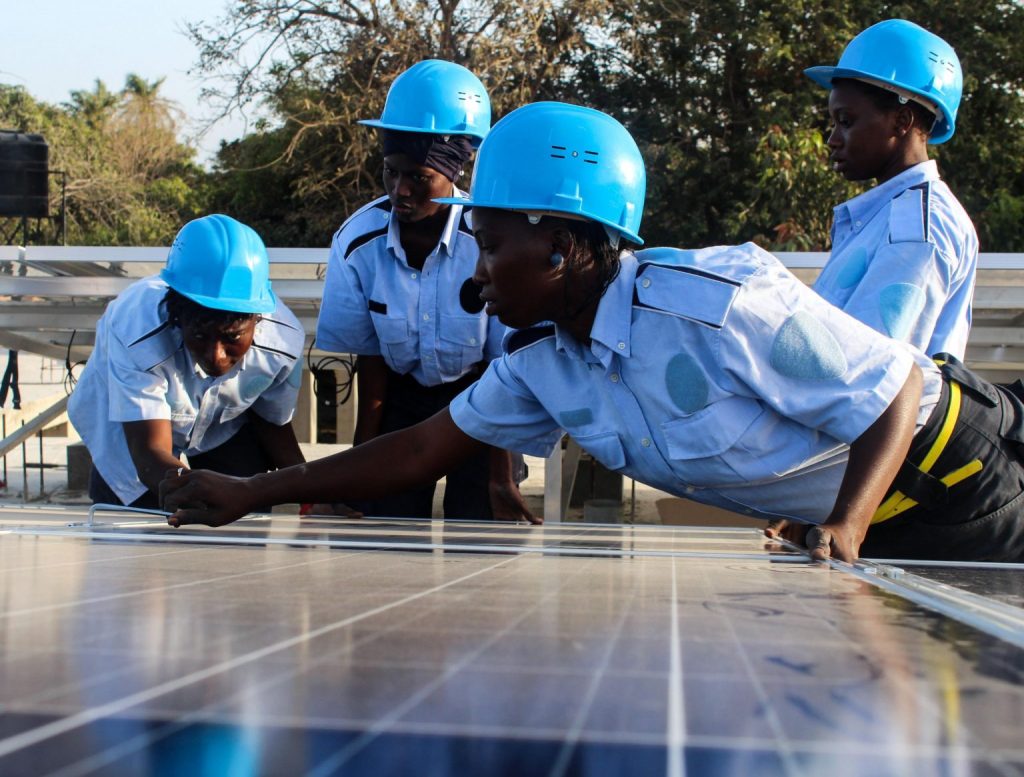
As Nigeria continues to pursue sustainable development and clean energy solutions, initiatives that combine economic empowerment with climate action are gaining increasing attention. One such effort is helping young women acquire practical skills in solar energy installation, opening doors to employment, entrepreneurship, and participation in the country’s growing renewable energy sector.
Our Hope-Village Foundation has trained a group of young women in solar power installation as part of efforts to promote economic inclusion, support green entrepreneurship, and equip more women with practical skills for the expanding renewable energy industry.
The training, held in Kaduna under the theme “Tech Her Future,” was organised in partnership with Nixis Tech Academy and focused on preparing participants for career and business opportunities within Nigeria’s fast-growing solar energy market.
The initiative reflects a growing recognition that women must play a central role in Africa’s energy transition. By providing technical knowledge and entrepreneurial skills, programs such as Tech Her Future are helping to address gender disparities in the technology and energy sectors while contributing to broader sustainability goals. From improving livelihoods to expanding access to clean energy solutions, the program demonstrates how targeted investments in women’s empowerment can generate both social and environmental impact.
At a time when millions of Nigerians continue to face unreliable electricity supply and youth unemployment remains a pressing challenge, investments in renewable energy skills development are emerging as a powerful tool for change. Beyond providing technical knowledge, these initiatives are helping women become entrepreneurs, innovators, and agents of sustainable development within their communities.
As the global push for clean energy intensifies, empowering women with renewable energy skills is proving to be more than a social intervention, it is becoming a strategic investment in Africa’s sustainable future.
Breaking Barriers in the Renewable Energy Sector
For decades, women have remained underrepresented in technical and engineering-related professions across many African countries. Sectors such as construction, electrical engineering, and energy have traditionally been dominated by men, limiting opportunities for women to participate fully in industries that drive economic growth.
The renewable energy sector presents a unique opportunity to change this narrative.
As countries invest in solar, wind, and other clean energy technologies, there is increasing demand for a skilled workforce capable of installing, operating, and maintaining these systems. This demand creates an opening for women to enter fields that were once considered inaccessible.
Training programs specifically designed for women are helping to dismantle long-standing barriers by providing practical skills, mentorship, and exposure to career opportunities within the renewable energy industry.
Such initiatives are not only promoting gender inclusion but also demonstrating that women can thrive in technical roles when given access to the right resources and support systems.
Why Solar Skills Matter in Nigeria
Nigeria’s energy deficit remains one of the country’s most significant development challenges. Despite being Africa’s largest economy, millions of households and businesses continue to experience limited access to reliable electricity.
Frequent power outages have forced many businesses and families to rely heavily on generators, contributing to increased operational costs and environmental pollution. As fuel prices rise and concerns about climate change grow, solar energy is becoming an increasingly attractive alternative.
The demand for solar solutions has expanded significantly in recent years. Homes, schools, hospitals, farms, and small businesses are turning to renewable energy systems to ensure uninterrupted power supply and reduce dependence on fossil fuels.
This growing market has created new employment opportunities for technicians, installers, maintenance specialists, consultants, and clean energy entrepreneurs.
By equipping young women with solar installation skills, foundations and development organizations are preparing them to take advantage of these emerging opportunities while contributing to Nigeria’s broader energy transition goals.
This initiative aligns with broader sustainability discussions highlighted in “Nigeria: ESG Mapping of the Top 5 Renewable Energy Sources”, which explores the country’s renewable energy landscape and ESG priorities.
Training Young Women for Green Entrepreneurship
The foundation’s training initiative goes beyond teaching participants how to install solar panels.
The program is designed to provide a comprehensive understanding of renewable energy systems, including system design, installation techniques, maintenance procedures, troubleshooting, safety standards, and customer service.
Participants are introduced to practical, hands-on learning experiences that enable them to gain confidence in handling solar equipment and addressing real-world energy challenges.
However, technical knowledge alone is not enough to guarantee long-term success.
Recognizing this, the initiative incorporates entrepreneurship training to help participants transform their skills into sustainable businesses. Young women are exposed to business planning, financial literacy, marketing strategies, customer relationship management, and enterprise development.
This combination of technical expertise and entrepreneurial knowledge empowers participants to pursue multiple career paths. Some may secure employment within renewable energy companies, while others may establish their own solar businesses, creating additional jobs and expanding access to clean energy in underserved communities.
Creating Economic Opportunities Through Green Jobs
The transition to a low-carbon economy is expected to generate millions of jobs worldwide over the coming decades. Renewable energy is already among the fastest-growing employment sectors globally, offering opportunities across various skill levels and industries.
For young women, these opportunities can be transformative.
Access to green jobs not only provides income but also enhances financial independence, career growth, and social mobility. It enables women to contribute meaningfully to household incomes while challenging stereotypes about gender roles in technical professions.
Green entrepreneurship further amplifies this impact.
Women who establish solar installation businesses can create employment opportunities for others, support local economic development, and stimulate innovation within their communities. Their enterprises can serve households, schools, healthcare facilities, agricultural operations, and small businesses seeking affordable and reliable energy solutions.
As demand for renewable energy continues to grow, the economic potential of women-led clean energy enterprises is likely to increase significantly.
Beyond Employment: Transforming Communities
The benefits of solar training programs extend far beyond individual participants.
When women gain access to income-generating opportunities, the positive effects often ripple throughout their families and communities. Increased earnings can support education, healthcare, nutrition, and overall household well-being.
Women entrepreneurs also tend to reinvest in their communities, creating broader social and economic value.
In rural and underserved areas where electricity access remains limited, trained solar technicians can help bridge critical energy gaps. By installing and maintaining solar systems, they enable schools to extend learning hours, health centres to preserve essential medicines, and small businesses to operate more efficiently.
Reliable energy access can improve productivity, enhance service delivery, and support local economic growth.
Through their work, these women are not only building careers but also contributing to community development and resilience.
Empowering Women to Lead the Energy Transition
A key strength of the initiative lies in its focus on leadership and confidence building.
Many women entering technical sectors face challenges that extend beyond skills acquisition. Social expectations, cultural stereotypes, and limited professional networks can discourage participation and hinder career advancement.
To address these barriers, training programs increasingly include mentorship and leadership development components.
Participants are encouraged to view themselves not simply as trainees but as future leaders capable of influencing the direction of the renewable energy sector.
Exposure to successful women professionals and entrepreneurs helps reinforce the message that gender should never be a barrier to innovation, technical excellence, or business success.
By fostering confidence and leadership skills, these initiatives help ensure that women are equipped not only to participate in the energy transition but also to shape it.
Advancing Sustainable Development Goals
The impact of renewable energy training programs aligns closely with several United Nations Sustainable Development Goals (SDGs).
The initiative contributes directly to SDG 5 (Gender Equality) by promoting women’s participation in technical and economic activities. It supports SDG 7 (Affordable and Clean Energy) by expanding the pool of professionals capable of delivering renewable energy solutions.
The program also advances SDG 8 (Decent Work and Economic Growth) by creating pathways to employment and entrepreneurship. Through its environmental benefits, it contributes to SDG 13 (Climate Action), while its focus on inclusion supports SDG 10 (Reduced Inequalities).
This multi-dimensional impact highlights why renewable energy empowerment programs are increasingly viewed as effective tools for sustainable development.
Rather than addressing social, economic, and environmental challenges separately, they tackle multiple priorities simultaneously.
Challenges That Must Be Addressed
Despite the growing success of such initiatives, significant challenges remain.
Many aspiring entrepreneurs struggle to access startup capital needed to purchase equipment and launch businesses. Limited access to financing continues to be a major barrier, particularly for women-owned enterprises.
In some communities, cultural perceptions may also discourage women from pursuing careers in technical fields. Overcoming these attitudes requires sustained awareness campaigns and continued advocacy for gender inclusion.
Additionally, access to advanced training, certification opportunities, and professional networks remains uneven across different regions of the country.
Addressing these challenges will require stronger collaboration among government agencies, private-sector organizations, development partners, financial institutions, and civil society groups.
Strategic investments in skills development, mentorship, financing, and policy support can help maximize the long-term impact of renewable energy empowerment initiatives.
Conclusion: Building an Inclusive Green Future
As Nigeria seeks solutions to energy poverty, unemployment, and climate change, initiatives that empower young women through solar installation and green entrepreneurship offer a compelling model for sustainable development.
By combining technical training with business development support, these programs are creating opportunities that extend beyond immediate employment. They are nurturing a new generation of women leaders capable of driving innovation, expanding energy access, and contributing to economic growth.
The growing participation of women in renewable energy demonstrates that climate action and social inclusion can go hand in hand.
As more foundations, development organizations, and private-sector partners invest in similar initiatives, the potential for transformative impact will continue to grow.
Ultimately, empowering women with renewable energy skills is not just about creating jobs. It is about building stronger communities, fostering economic resilience, advancing gender equality, and accelerating the transition toward a cleaner and more sustainable future for Nigeria and Africa as a whole.
[give_form id="20698"]