csrreporters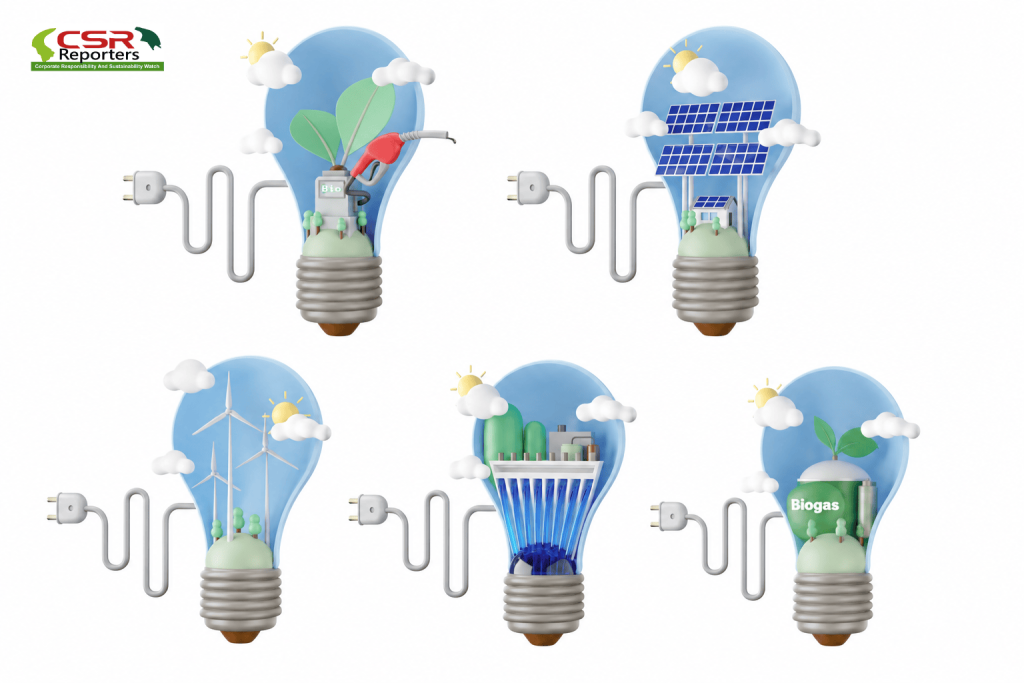
By Rosemary Imobhio
Nigeria runs on contradiction. The country commands Africa’s largest economy, yet over 85 million citizens still lack reliable electricity access. Meanwhile, global ESG frameworks are tightening, development finance is being deployed more selectively, and Nigeria’s climate obligations under the Paris Agreement are coming due.
Therefore, how the country develops its top five renewable energy sources carries consequences far beyond kilowatt-hours. At its core, this is a test of governance, equity, and long-term accountability.
Consequently, the question for investors, CSR practitioners, and policymakers is not simply whether Nigeria is going green. The real question is who benefits, who decides, and who gets left behind in the process.
1. Hydropower: Africa’s Oldest Green Asset, Nigeria’s Most Neglected
💰 Who is investing
- Federal Government (via major dams like Shiroro, Jebba, Kainji)
- Sovereign-linked infrastructure players like Grid Resilient Infrastructure Projects (GRIP)
- Hybrid pilot investors (solar + hydro integration projects supported by state-linked funding)
⚙️ What’s happening now
- Hydro is being hybridized with solar to stabilize the grid
- New ESG push around grid reliability + carbon reduction
⚠️ Who is lagging
- Private sector innovation is still limited
- Many hydro assets are aging and underfunded
- Weak maintenance culture → ESG “asset decay risk”
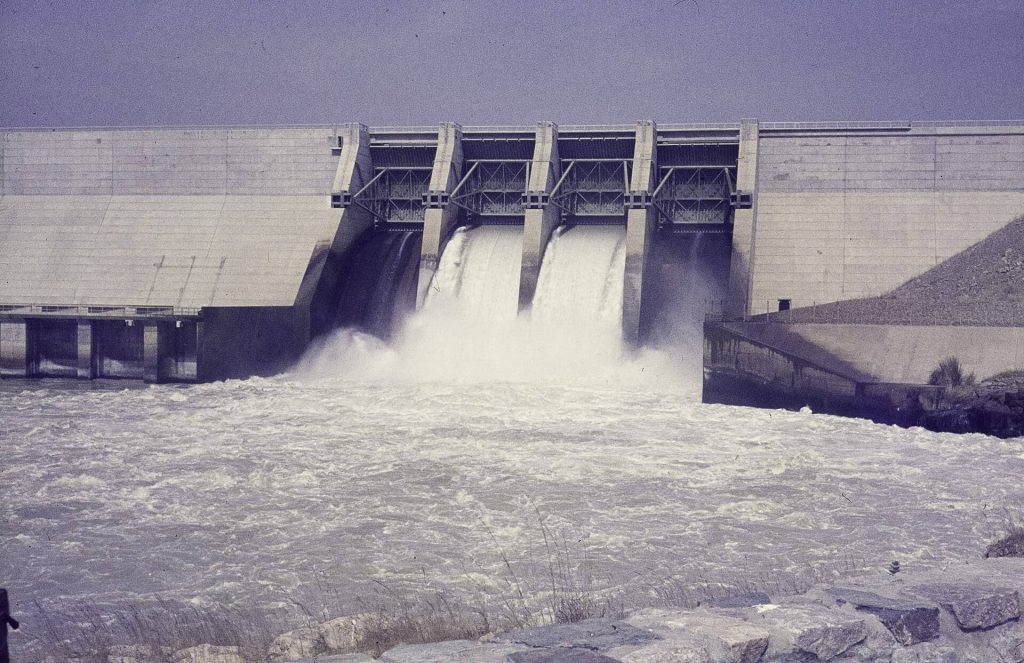
Hydropower converts the kinetic energy of flowing water into electricity and has powered Nigeria longer than any other renewable source. The Kainji, Jebba, and Shiroro dams collectively represent over 2,000 MW of installed capacity. However, ageing infrastructure, sediment buildup, and increasingly irregular rainfall patterns have kept actual output well below those figures for years.
In response, the government has pursued rehabilitation pathways through the Transmission Company of Nigeria. It has also engaged multilateral development banks for modernisation funding. The World Bank and the African Development Bank have both signalled support for upgrading existing facilities. In addition, smaller run-of-river projects are being explored in the Niger Delta and Middle Belt regions, which could extend hydropower’s footprint into historically underserved communities.
From an ESG standpoint, hydropower presents genuinely complex tradeoffs. On one hand, it produces minimal operational emissions. On the other hand, large dams have historically displaced communities, disrupted aquatic ecosystems, and concentrated energy infrastructure in state hands with limited transparency.
Consequently, the governance dimension of future hydropower investments will be critical. Development finance institutions are increasingly attaching social safeguard conditions to funding, which represents a meaningful step toward more equitable project design. Nevertheless, implementation of those safeguards at the field level remains inconsistent.
2. Solar Energy: Nigeria’s Fastest-Growing ESG Investment Magnet
💰 Who is investing
- Private developers like Nova Axis Limited (solar + ESG advisory + EV ecosystem)
- Mini-grid companies like Novaris Power (thousands of households electrified)
- Government-backed sovereign solar pilots (20MW–300MW programs)
- International funders (World Bank, USAID-linked programs)
⚙️ What’s happening now
- Rapid expansion of mini-grids, rooftop solar, and hybrid systems
- Strong push into ESG consulting + carbon credits + climate finance
⚠️ Who is lagging
- National grid integration is still weak
- Financing gaps for rural solar adoption
- Import dependence for panels and batteries
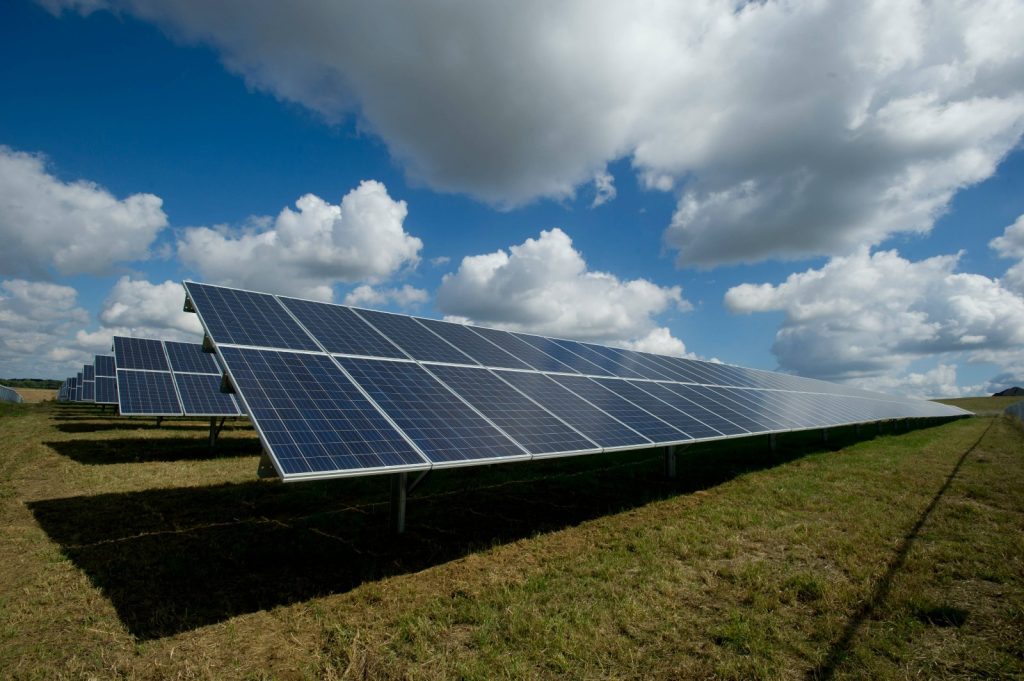
Solar photovoltaic technology converts sunlight directly into electricity. Given Nigeria’s average of 5.5 peak sunshine hours per day across most of the country, the resource base is exceptional. Therefore, solar has rapidly become the most discussed and most actively funded renewable source in Nigeria’s energy landscape.
Private sector momentum is substantial. Companies such as JMG Limited, Daystar Power, and CrossBoundary Energy have expanded commercial and industrial solar installations across Lagos, Abuja, and Port Harcourt. Meanwhile, international developers have followed, drawn by Nigeria’s gradually deregulating energy market and a growing corporate appetite for reliable, cleaner power.
Mini-grids have also emerged as a central policy instrument. The Rural Electrification Agency (REA) has facilitated over 100 mini-grid deployments in underserved communities, supported by funding from the World Bank, USAID, and various climate finance mechanisms. Furthermore, Nigeria’s Distributed Access through Renewable Energy Scale-Up (DARES) programme, launched with multilateral backing, targets bringing electricity to millions of currently unconnected Nigerians.
However, CSR Reporters’ research shows that affordability remains a persistent structural barrier. Solar systems are frequently priced beyond the reach of low-income households. Companies and development partners that fail to design genuinely inclusive access models may generate impressive green metrics on paper while quietly deepening the energy poverty gap in practice. Therefore, the social dimension of solar investment deserves as much attention as the environmental credentials.
3. Biomass and Bioenergy: Nigeria’s Hidden ESG Sector

💰 Who is investing
- Rural-focused firms like Biodanj Energy (agri + hydro + biogas integration)
- Waste-to-energy innovators and SMEs
- Agricultural value-chain projects
⚙️ What’s happening now
- Mostly informal energy use (firewood, charcoal) still dominates
- Early-stage biogas and agricultural waste energy systems
- Increasing ESG interest in clean cooking and rural energy transition
⚠️ Who is lagging
- Big corporations are largely absent
- Limited scaling due to infrastructure + policy gaps
- High reliance on traditional biomass = health + emissions problem
Biomass energy is derived from organic materials including agricultural residues, wood fuel, animal waste, and dedicated energy crops. Nigeria generates enormous volumes of organic waste annually, making bioenergy a logically attractive pathway. However, the sector remains significantly underdeveloped relative to its potential, and the gap between promise and delivery is wide.
Currently, biomass contributes to rural cooking and heating primarily through traditional charcoal and firewood use. This approach, unfortunately, drives deforestation and indoor air pollution, resulting in serious public health consequences, particularly for women and children in rural households. The transition toward modern bioenergy forms, such as biogas digesters and biomass gasification systems, is therefore gaining slow but real ground.
Several agribusiness companies and development organisations are piloting biogas solutions tied to cassava processing, rice milling, and livestock operations across Nigeria’s agricultural belt. In addition, the Nigerian National Petroleum Company has indicated interest in biofuel blending as part of its evolving sustainability posture. From an ESG angle, well-designed bioenergy projects offer a compelling circular economy narrative: agricultural waste is converted into an energy input, simultaneously reducing landfill pressure and cutting methane emissions.
Nevertheless, governance frameworks for sustainable biomass sourcing remain weak at the national level. Without stronger oversight mechanisms, the sector risks replicating the very environmental harm it is positioned to address.
4. Wind Energy: Nigeria’s underdeveloped ESG frontier
💰 Who is investing
- Small innovators like Waste2Light (wind + hydro + recycled material turbines)
- Select renewable EPC firms experimenting with hybrid systems
- Limited pilot projects in northern Nigeria
⚙️ What’s happening now
- Still mostly pilot-stage
- Focus on hybrid solar-wind microgrids in rural areas
- Some mapping of wind corridors (North & Plateau regions)
⚠️ Who is lagging
- No major utility-scale wind farms yet
- Low private sector confidence due to inconsistent wind data
- Weak government procurement pipeline
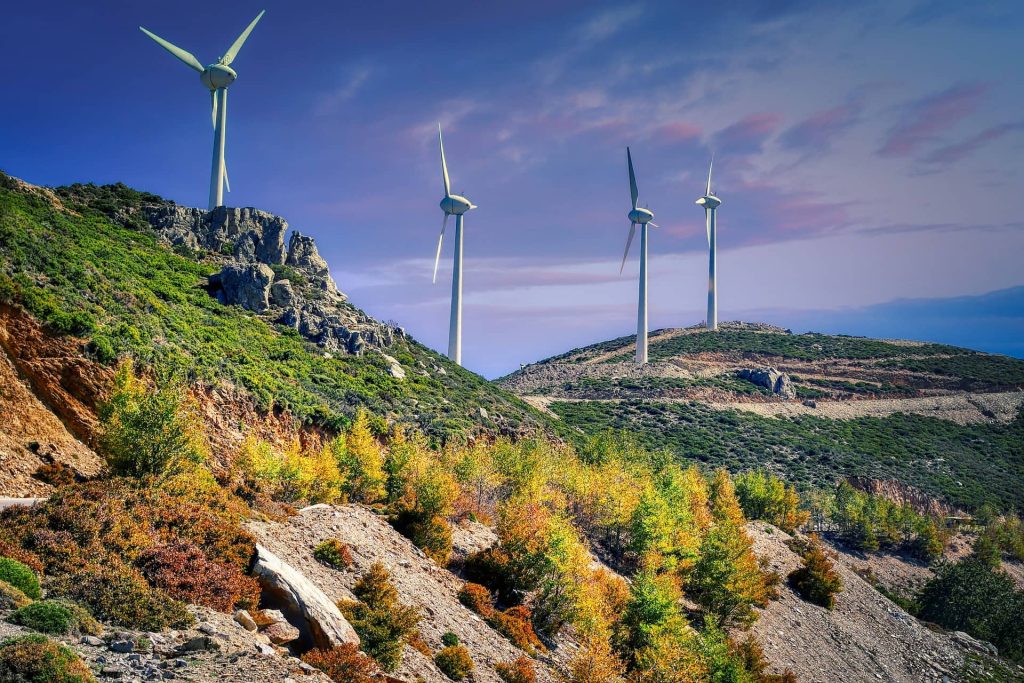
Wind turbines capture kinetic energy from moving air and convert it into usable electricity. Nigeria’s wind potential is concentrated primarily in the northeastern regions and along the Jos Plateau, where wind speeds consistently reach above 5 metres per second. However, development at scale remains embryonic, making wind the most underperforming renewable in the country’s portfolio.
CSR Reporters discovered that to date, no large-scale commercial wind farm has been commissioned in Nigeria. Feasibility studies and pilot proposals have been initiated, including projects supported by the Federal Ministry of Power. International developers have periodically expressed interest. However, insecurity, grid instability, regulatory uncertainty, and inadequate off-take agreements have collectively slowed private capital deployment to a near standstill.
Consequently, wind sits in a frustrating paradox: substantial resource availability paired with minimal structural investment. From an ESG perspective, wind energy holds strong environmental credentials, with near-zero operational emissions and minimal land-use conflicts relative to other energy forms.
However, the governance gap is pronounced. Therefore, the next phase of Nigeria’s energy policy will need to treat wind not as a distant aspiration but as a strategic priority. One with specific licensing clarity, grid investment, and bankable procurement frameworks to match.
5. Waste-to-Energy: The ESG + circular economy hotspot
💰 Who is investing
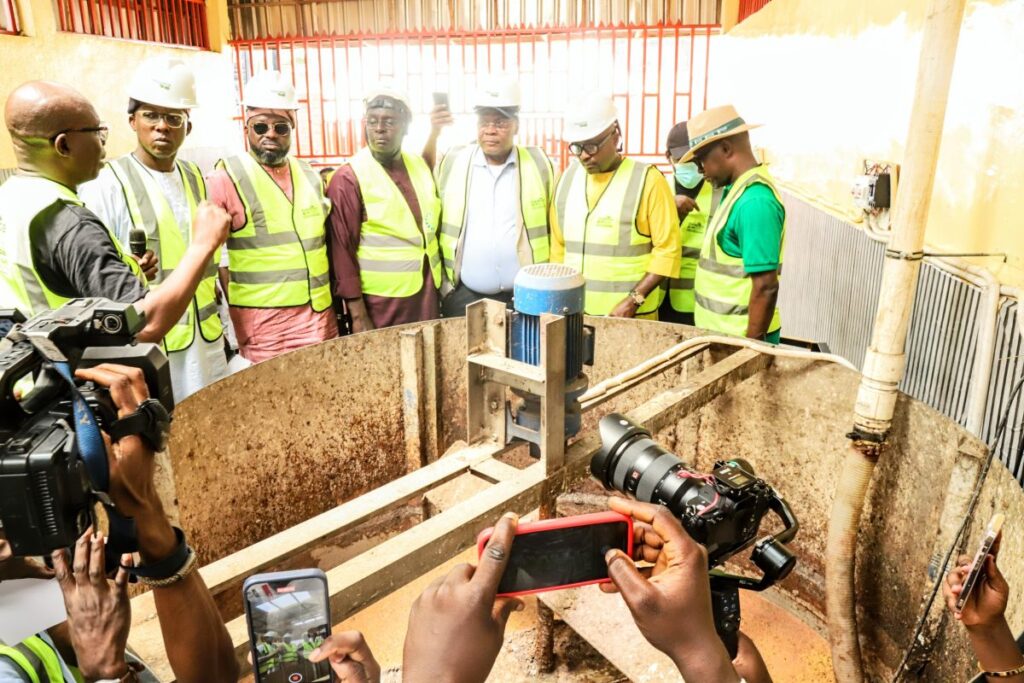
- Lagos State-backed circular energy projects like Oko-Oba Clean Energy (solar + biogas from abattoir waste)
- Private circular economy startups (urban waste-to-power models)
- International climate finance pilots
⚙️ What’s happening now
- Strong momentum in Lagos and urban hubs
- Integration of:
- landfill gas
- biogas from organic waste
- hybrid solar systems
- Direct link to urban sanitation + energy production
⚠️ Who is lagging
- Most Nigerian cities still rely on dumping systems
- Funding and policy execution gaps outside Lagos
- High technical complexity slows scaling
Waste-to-energy (WtE) technologies convert municipal solid waste or organic refuse into usable electricity or heat through processes such as incineration, pyrolysis, or anaerobic digestion. Nigeria’s rapidly urbanising cities generate millions of tonnes of solid waste annually. However, formal waste management systems remain inadequate across most states, creating a dual crisis that WtE is uniquely positioned to address.
Lagos State has led early-stage exploration. Several private sector proposals and pilot programmes have emerged, including engagements facilitated through the Lagos State Waste Management Authority and various international WtE developers. Furthermore, growing awareness among state governments of the financial and reputational costs of poor waste management is opening political space for structured WtE frameworks.
Read: Ikosi Market Biodigester to Convert Organic Waste to Energy
From an ESG standpoint, WtE projects address multiple dimensions simultaneously. Environmentally, they reduce methane generation from landfills. Socially, they create formal employment within waste collection and processing ecosystems.
From a governance angle, however, these projects demand transparent procurement processes, rigorous environmental impact assessments, and robust emissions monitoring to prevent generating new pollution problems in communities already burdened by inadequate infrastructure. Therefore, the accountability architecture around WtE must be constructed in parallel with the physical projects themselves, not retrofitted after the fact.
Nigeria’s Renewable Energy Future
Taken together, Nigeria’s five renewable energy pathways present an extraordinary national opportunity, alongside a clear set of accountability and governance challenges.
Solar is accelerating, driven by private capital and development finance. Hydropower is ageing but remains strategically essential to baseload supply. Biomass holds circular economy potential that is currently being left largely unrealised. Wind is stalled by regulatory and infrastructure gaps that are solvable with political will. Waste-to-energy is emerging as a credible urban sustainability instrument with real early traction.
The consistent thread across all five sources, however, is governance. Who decides which projects are approved? Who bears the environmental and social risks? Also, who ultimately benefits from the energy generated? These questions define the actual ESG quality of Nigeria’s energy transition, and international investors and corporate sustainability officers are increasingly asking them before committing capital.
In addition, Nigeria’s National Energy Transition Plan sets ambitious decarbonisation targets for electricity, cooking, transport, and industry. However, targets alone do not transform systems. What drives transformation is consistent policy enforcement, credible incentive structures, transparent project reporting, and communities treated as stakeholders rather than bystanders.
Therefore, for Nigeria to genuinely lead Africa’s renewable energy story, the governance architecture must match the scale of the ambition. The renewable resources undeniably exist. The financing is increasingly available. What remains to be built, above all, is accountability at every level of the energy system, from policy ministries down to the last mini-grid connection.
Stay connected with CSR Reporters for deeper stories on sustainability, energy transition, and corporate accountability shaping Africa’s future.
[give_form id="20698"]