ONYINYECHI NWAIGBA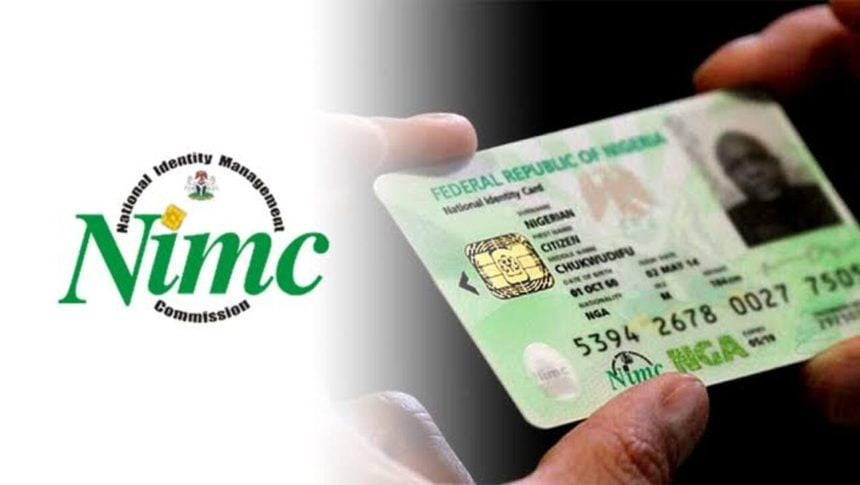
Nigeria has taken a significant step towards strengthening its digital governance framework following the signing of the new National Identity Management Commission (NIMC) Act 2026, a law designed to modernise the country’s digital identity system, improve service delivery, and enhance data protection.
The new legislation is expected to reinforce Nigeria’s digital identity ecosystem by creating a stronger legal framework for identity management while supporting financial inclusion, digital innovation, and more efficient access to public and private sector services.
As governments and businesses increasingly rely on digital technologies, secure and reliable identity systems have become essential for expanding access to banking, healthcare, education, social protection programmes, and other critical services.
The new Act represents another step in Nigeria’s broader digital transformation agenda, with the potential to improve how citizens interact with government institutions and participate in the country’s growing digital economy.
Strengthening Nigeria’s Digital Identity Framework
A trusted digital identity system plays an important role in modern governance and economic development.
The new NIMC Act seeks to strengthen the legal and institutional framework guiding identity management in Nigeria, ensuring that the country’s digital identity system remains secure, reliable, and responsive to emerging technological and governance needs.
By providing a more robust foundation for identity management, the legislation is expected to improve confidence in digital identity services while supporting greater interoperability across government agencies and private sector institutions.
A stronger identity system also creates opportunities for more efficient public administration, improved planning, and better delivery of essential services.
Improving Access to Public Services
Access to reliable identification remains a key requirement for many public services.
Digital identity systems enable governments to verify individuals more efficiently, helping citizens access healthcare, education, pensions, tax services, social welfare programmes, and other government initiatives.
A strengthened identity framework can also reduce administrative delays, minimise duplication, and improve the overall quality of service delivery.
For many Nigerians, particularly those in underserved communities, a secure and widely accepted digital identity can become an important gateway to participating fully in social and economic life.
Advancing Financial Inclusion
Financial inclusion remains one of the major opportunities presented by a stronger digital identity system.
Many financial institutions require reliable identity verification before customers can open bank accounts, access loans, obtain insurance, or use digital financial services.
By improving identity verification processes, the new NIMC Act can help reduce barriers that have historically excluded millions of Nigerians from the formal financial system.
A stronger digital identity infrastructure also supports the expansion of mobile banking, fintech innovation, digital payments, and other financial services that contribute to inclusive economic growth.
As more people gain access to secure financial services, individuals and small businesses can participate more effectively in the formal economy while building financial resilience.
Supporting Nigeria’s Digital Economy
Nigeria’s digital economy continues to expand, creating new opportunities for businesses, entrepreneurs, and technology driven innovation.
Secure digital identities provide the foundation for many online services, including electronic commerce, digital payments, remote work, online education, and electronic government services.
The new NIMC Act is expected to strengthen this ecosystem by improving trust in digital transactions and reducing identity related risks.
A modern identity management system also encourages greater private sector investment by providing businesses with more reliable customer verification processes.
As digital adoption continues to grow, trusted identity systems will remain central to building a competitive and inclusive digital economy.
Strengthening Data Protection and Security
As digital services expand, protecting personal information has become increasingly important.
The new legislation is expected to strengthen safeguards surrounding the collection, storage, and management of identity data while supporting responsible data governance.
Improved legal protections can help build public confidence in digital identity systems by ensuring that personal information is handled securely and in accordance with established regulatory standards. Related: This Latest Data Breach Has a Devastating Governance Cost.
Enhanced identity management also contributes to reducing fraud, identity theft, and other forms of digital crime that can undermine public trust in online services.
Protecting personal data is becoming an increasingly important component of sustainable digital development.
Enhancing Governance and Transparency
Reliable identity systems contribute to stronger governance by improving accountability and reducing opportunities for duplication or fraud in public administration.
Government agencies can use trusted identity systems to improve planning, strengthen public service delivery, and ensure that development programmes reach intended beneficiaries more effectively.
Digital identity systems can also improve the management of social investment programmes, voter registration, tax administration, and other government functions that require accurate identification.
By strengthening institutional efficiency, the new NIMC Act supports broader efforts to improve governance and public sector performance.
Expanding Opportunities for Innovation
A stronger identity framework also creates opportunities for innovation across multiple sectors.
Financial technology companies, healthcare providers, educational institutions, telecommunications operators, and digital service providers all depend on secure identity verification to deliver efficient services.
Modern identity systems can support the development of new digital products while improving customer experience and reducing operational risks.
Innovation driven by trusted digital infrastructure has the potential to stimulate investment, encourage entrepreneurship, and create new employment opportunities within Nigeria’s technology ecosystem.
Why It Matters
Digital identity is no longer simply an administrative tool.
It has become an essential component of economic participation, financial inclusion, digital innovation, and sustainable development.
Individuals without recognised forms of identification often face significant barriers when attempting to access banking services, government programmes, healthcare, education, employment opportunities, and digital platforms.
Strengthening Nigeria’s identity management framework therefore has implications that extend well beyond identification itself.
A secure and inclusive identity system can support greater economic participation, improve service delivery, strengthen institutional efficiency, and promote social inclusion.
The new NIMC Act also reflects the increasing recognition that digital infrastructure is a critical component of national development in an increasingly connected world.
Looking Ahead
The signing of the new NIMC Act marks an important milestone in Nigeria’s digital transformation journey.
Its long term success will depend on effective implementation, continuous investment in digital infrastructure, strong data protection measures, and collaboration between government institutions, the private sector, and development partners.
As Nigeria continues to expand digital services and strengthen its digital economy, a secure and trusted identity system will play an increasingly important role in supporting financial inclusion, improving governance, enabling innovation, and expanding access to opportunities for millions of citizens.
By modernising its digital identity framework, Nigeria is laying the foundation for a more connected, inclusive, and resilient digital future where individuals, businesses, and public institutions can participate with greater confidence and security.
[give_form id="20698"]