GLORYANN OSANG
Nigeria’s agricultural sector is entering a period that demands fresh ideas, stronger businesses and a younger generation of problem-solvers. Food insecurity remains a major concern, while farmers face climate pressures, limited finance, poor infrastructure and difficult market conditions. At the same time, agriculture is changing rapidly. Technology, artificial intelligence, digital platforms and climate-smart practices are creating new opportunities across the food value chain.
Against this backdrop, the Foundation for Sustainable Smallholder Solutions (FSSS) is seeking to place young Nigerians closer to the centre of the transformation. Its new GroundBreakers initiative began with GroundBreakers Live 2026, a two-day virtual programme held on August 12 and 13.
The event brought together young Nigerians and professionals from agriculture, agribusiness, AgriTECH, innovation and development. Its theme, “Connecting Youth, Innovation, and the Future of Food,” reflected the programme’s central message.
Young people should not only benefit from agricultural programmes. They should also help design and build the future of Nigeria’s food system.
Agriculture Needs a New Generation
The timing of the initiative is significant. Nigeria continues to face serious food security challenges. The World Food Programme estimates that nearly 35 million Nigerians could face severe food insecurity during the 2026 lean season. Meanwhile, farmers continue to deal with rising production costs, climate shocks and limited access to finance.
The sector also needs more efficient value chains. In March, the World Bank approved a $500 million project to strengthen agricultural value chains and create jobs in Nigeria. The programme targets smallholder farmers, agribusinesses and market access.
Therefore, attracting young people into agriculture is becoming an economic necessity. FSSS Executive Director, Isaiah Gabriel, said Nigeria’s agricultural future would depend largely on how effectively young people are engaged and equipped for a changing agricultural economy. That means expanding the definition of agricultural work.
Young Nigerians can become farmers, processors, technology developers, marketers, researchers and agribusiness owners.
Technology Opens New Opportunities
The first GroundBreakers session focused on “Future of Food: How Technology is Transforming Agriculture.” Discussions explored artificial intelligence, precision agriculture, climate-smart innovations and digital agriculture. Participants also examined career opportunities within the expanding AgriTECH ecosystem.
Technology is already changing how farmers access information and make production decisions. Digital platforms can connect farmers with buyers and financial services. Meanwhile, precision tools can help improve the use of water, fertiliser and other inputs.
However, technology cannot work in isolation. Farmers still need finance, land, infrastructure, skills and reliable markets. That is why initiatives that connect technology with practical agricultural needs are increasingly important.
The Federal Government is also pursuing youth-focused agricultural programmes. In June, it launched the Youth in Agribusiness Land Trust Fund with the International Institute of Tropical Agriculture. The programme seeks to improve access to land, finance, technology, mechanisation, mentorship and markets for young people.
Agribusiness Goes Beyond Farming
The second GroundBreakers session focused on “Building Profitable Agribusinesses in the Digital Age.” Discussions centred on starting and scaling agricultural businesses, accessing finance, developing markets and using digital tools. Participants also gained insights from agripreneurs with practical experience.
This focus is important because Nigeria needs more than increased food production. The country also needs stronger businesses that can process, store, transport and market agricultural products. Young entrepreneurs can participate across these areas.
They can develop logistics businesses, food-processing companies, digital marketplaces, agricultural finance platforms and climate-smart enterprises. Consequently, agriculture can become a source of innovation and employment rather than an industry associated mainly with traditional farming.
Building a Lasting Youth Community
For FSSS, GroundBreakers is intended to extend beyond the two-day virtual programme. The Foundation says it wants to develop a growing community of young innovators who can continue learning, collaborating and developing solutions. That could become one of the initiative’s most valuable features.
A virtual event can introduce young people to new ideas. However, a sustained network can help turn those ideas into practical businesses and solutions.
FSSS already works extensively with smallholder farmers. Its programmes focus on sustainable agriculture, innovative extension approaches, market access and stronger livelihoods. The organisation’s Farmer Hub model has also helped connect farmers with inputs, finance, training, markets and technical expertise.
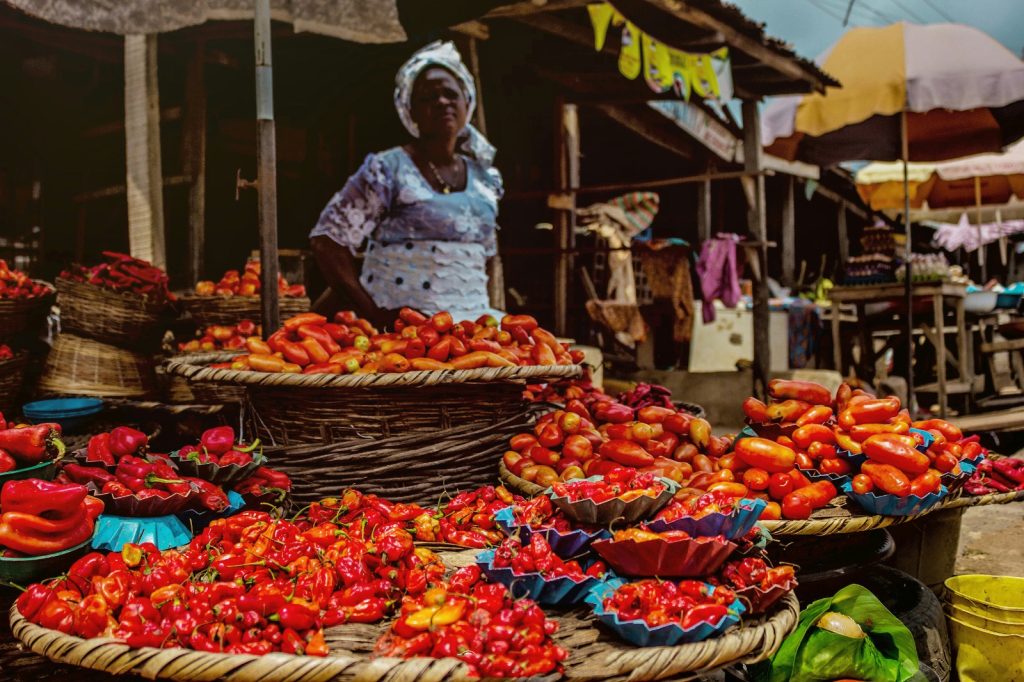
GroundBreakers therefore creates an opportunity to connect young innovators with the realities facing smallholder farmers. That connection can benefit both sides. Young entrepreneurs can develop solutions for farmers, while farmers can provide practical insight into what works.
Climate Change Raises the Stakes
Climate change adds another layer of urgency to the agricultural transformation. Farmers increasingly face unpredictable rainfall, flooding, drought and changing growing conditions. As a result, Nigeria needs food systems that can withstand climate pressures while still providing livelihoods.
Climate-smart agriculture is therefore becoming increasingly important. Young Nigerians can contribute by developing technologies and business models that help farmers adapt. They can also support better data collection, irrigation, soil management and market forecasting.
The Federal Government has also been working on a national soil health initiative to improve information about soil conditions and guide more effective fertiliser use. These developments show why agriculture needs people who can combine traditional knowledge with modern tools.
From Beneficiaries to Change-Makers
Perhaps the most important idea behind GroundBreakers is its view of young people. The initiative does not present them simply as beneficiaries waiting for support. Instead, it positions them as potential change-makers.
That shift matters because Nigeria has a large young population, yet many young people struggle to find sustainable employment. Agriculture offers an opportunity to address both challenges at once.
Young entrepreneurs can create jobs while helping improve food production and distribution. They can also introduce new approaches to longstanding problems. However, training alone will not be enough.
Young people need access to finance, markets, mentorship, technology and supportive policies. Most importantly, they need opportunities to turn their ideas into viable enterprises.
The Bigger Opportunity
GroundBreakers arrives at a time when Nigeria’s agricultural future is being shaped by several forces at once. Food insecurity is increasing pressure on the sector. Climate change is altering production conditions.
Technology is creating new possibilities. Meanwhile, unemployment is pushing policymakers and development organisations to search for new sources of jobs. Youth participation sits at the intersection of all these issues.
For FSSS, the challenge is now to build on the momentum created by GroundBreakers Live 2026. The programme has opened a conversation about agriculture, innovation and entrepreneurship. Its long-term value will depend on what happens after the conversations end.
If young Nigerians gain access to the networks, resources and opportunities needed to build sustainable businesses, they could become powerful contributors to Nigeria’s food system.
Ultimately, GroundBreakers is not simply about getting more young people interested in agriculture. It is about giving them the tools and confidence to help determine what Nigeria’s food system will look like tomorrow.
[give_form id="20698"]