


 GLORYANN OSANG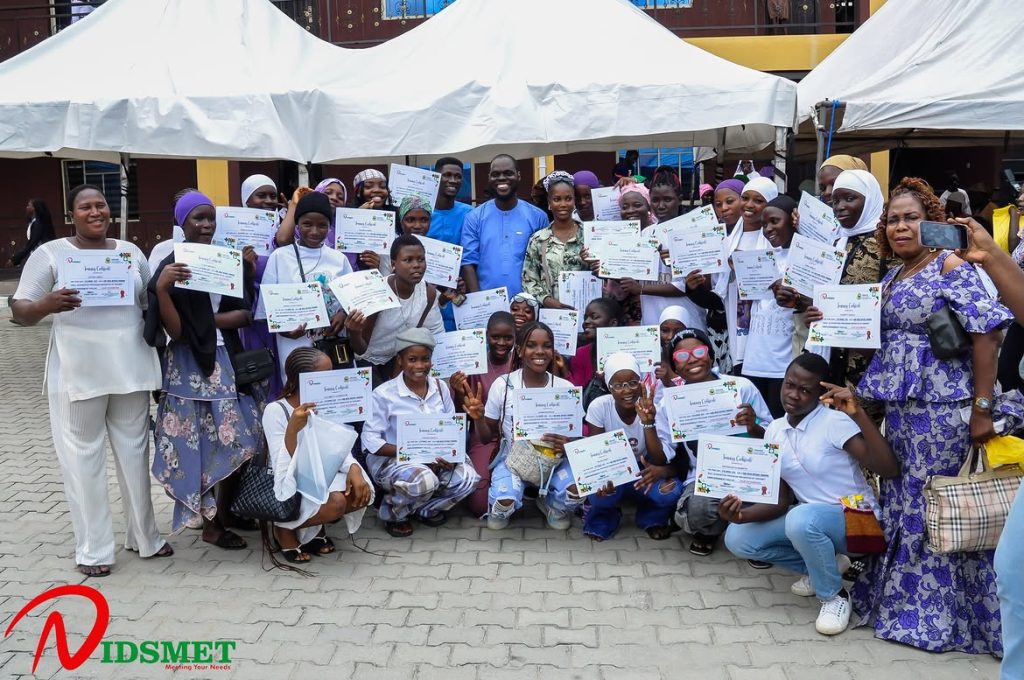
For 400 Nigerians, acquiring a practical skill could mark the beginning of a different economic reality, one where earning a living is not dependent solely on the availability of formal employment.
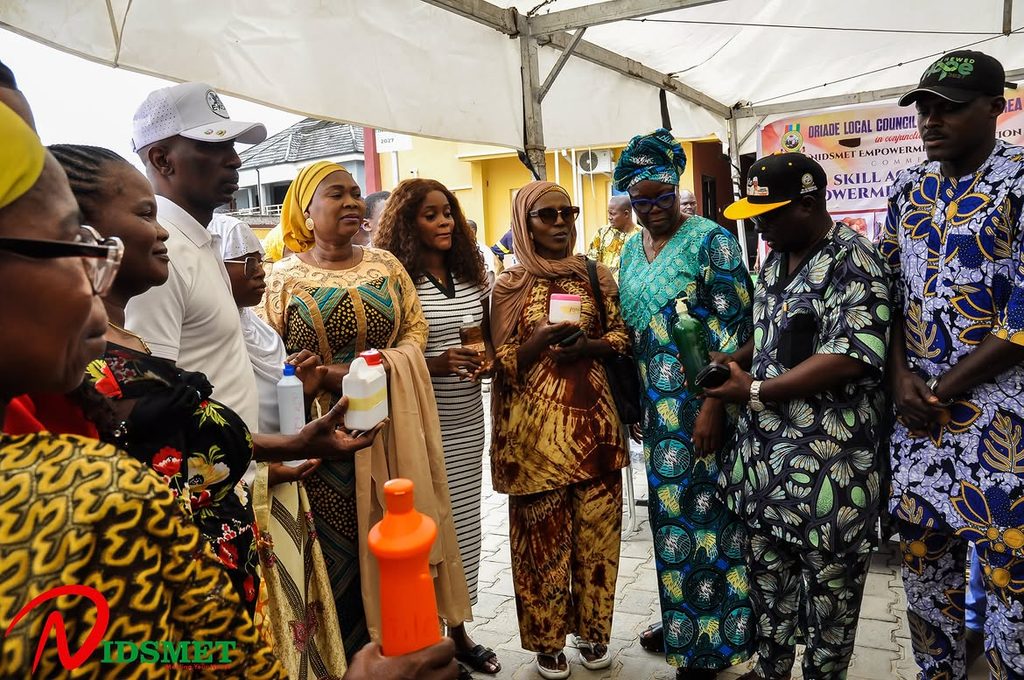
That possibility is at the centre of the latest edition of the NIDSMET Empowerment Initiative, which has equipped 400 participants with vocational and digital skills as part of an ongoing effort to strengthen livelihoods and expand pathways to economic independence.
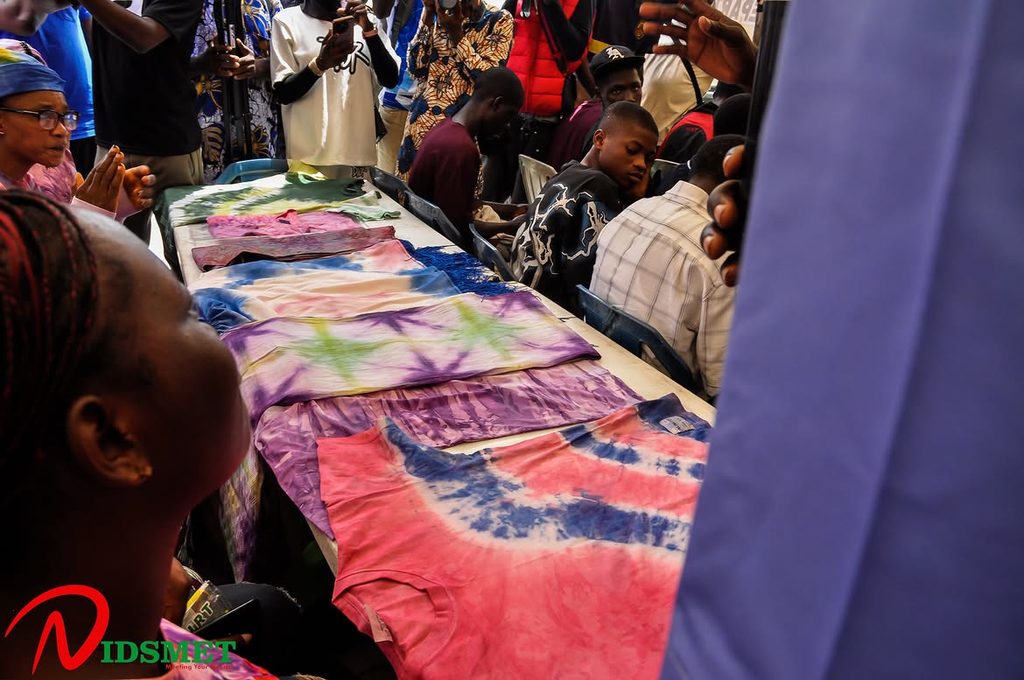
The ninth edition of the programme provided training across areas including tailoring, confectionery, tie-dye, photography, technology and digital skills.
Rather than focusing solely on financial assistance, the initiative places skills at the centre of its intervention. Participants gain practical knowledge that can potentially be converted into income-generating opportunities, whether through self-employment, small businesses or digital services.
Turning Skills into Economic Opportunities
For many Nigerians, particularly young people and individuals operating outside the formal employment system, earning a sustainable income can depend heavily on access to relevant skills, tools and opportunities. This is where skills-acquisition programmes can play an important role.
By exposing participants to both traditional trades and contemporary digital competencies, the NIDSMET initiative seeks to broaden the options available to beneficiaries.
For some, that could mean starting a tailoring or confectionery business. For others, photography and digital technology could provide entry points into Nigeria’s growing creative and technology-driven economy.
The range of courses also reflects the changing nature of work. Traditional vocational skills continue to support entrepreneurship, while digital competencies are increasingly becoming essential across sectors.
Consequently, combining both areas can give participants a broader foundation for navigating an economy where formal employment remains highly competitive.
Nine Editions of Sustained Empowerment
The latest intervention represents the ninth edition of the NIDSMET empowerment programme supported by SIFAX Group. The continuity is significant in a development environment where many social interventions are delivered as isolated projects.
Sustaining an empowerment programme across multiple editions allows new groups of beneficiaries to gain access to training while maintaining skills development as a recurring component of the initiative’s social investment approach.
It also highlights an important consideration for corporate social investment. Impact is often strengthened when programmes are designed for continuity rather than visibility alone. For SIFAX Group, the initiative forms part of its broader support for communities and efforts to create opportunities that can contribute to improved livelihoods.
That support comes as Nigeria continues to face the challenge of creating sufficient productive opportunities for a growing working-age population. In this context, interventions that improve employability and entrepreneurial capacity can complement wider efforts to address unemployment and economic vulnerability.

Beyond Training
The real measure of an empowerment programme, however, extends beyond the completion of a training session. The greater question is whether beneficiaries can translate what they have learned into sustainable economic activity.
For the 400 participants, the value of the intervention will ultimately be reflected in what happens after the programme: the businesses created, services offered, customers reached, income generated and livelihoods sustained.
That transition, from learning a skill to using the skill to earn, is where the long-term development impact of initiatives such as NIDSMET can become most visible.
Therefore, effective empowerment requires more than simply providing access to training. Participants may also need appropriate tools, access to finance, markets, mentorship and networks that can help them move from learning to earning.
Without those supporting elements, even well-designed skills programmes can struggle to deliver their full economic potential.
Building Livelihoods Through Practical Skills
Nigeria’s entrepreneurship landscape is largely driven by micro, small and informal businesses, making practical skills an important component of economic participation. For beneficiaries trained in tailoring or confectionery, for instance, a newly acquired skill can provide a foundation for a small enterprise.
Similarly, participants trained in photography or digital technology could use their skills to offer services to individuals, businesses and organisations. The opportunities will differ from one beneficiary to another. Nevertheless, the underlying objective remains the same: creating the capacity to earn.
This is the broader significance of skills-based empowerment. When beneficiaries gain practical competencies, they are positioned not merely as recipients of assistance, but as potential economic actors capable of creating value for themselves and others.
Moreover, successful micro-enterprises can have a multiplier effect. A beneficiary who establishes a viable business may eventually employ others, purchase from local suppliers or provide services to customers within the community.
Consequently, the impact of a single intervention can extend beyond its direct beneficiaries when the skills acquired translate into productive economic activity.
Investing in People, Not Just Projects
The ninth edition of the NIDSMET initiative reinforces an increasingly important principle in corporate social investment. Sustainable impact is often built by investing in people’s capabilities. A donation can address an immediate need. A skill, when properly applied and supported, can potentially provide a source of income for years.
For the 400 Nigerians who completed the latest training programme, the next chapter will therefore be about turning knowledge into opportunity and opportunity into sustainable livelihoods.
The outcome will depend on what happens beyond the training room. Access to equipment, capital, customers and continued learning could determine whether participants are able to turn their new competencies into viable sources of income.
Still, the initiative highlights the potential of skills development as a pathway towards greater economic participation.
And if those skills translate into businesses, jobs and stronger household incomes, the impact could extend well beyond the 400 direct beneficiaries, reaching families, customers, employees and communities connected to their economic activities.
That is the promise of skills-based empowerment: not simply giving people something, but equipping them with capabilities they can use to build for themselves and contribute more meaningfully to the economy.
[give_form id="20698"]


1 thought on “400 Nigerians Gain Skills for Greater Economic Independence”