ONYINYECHI NWAIGBA
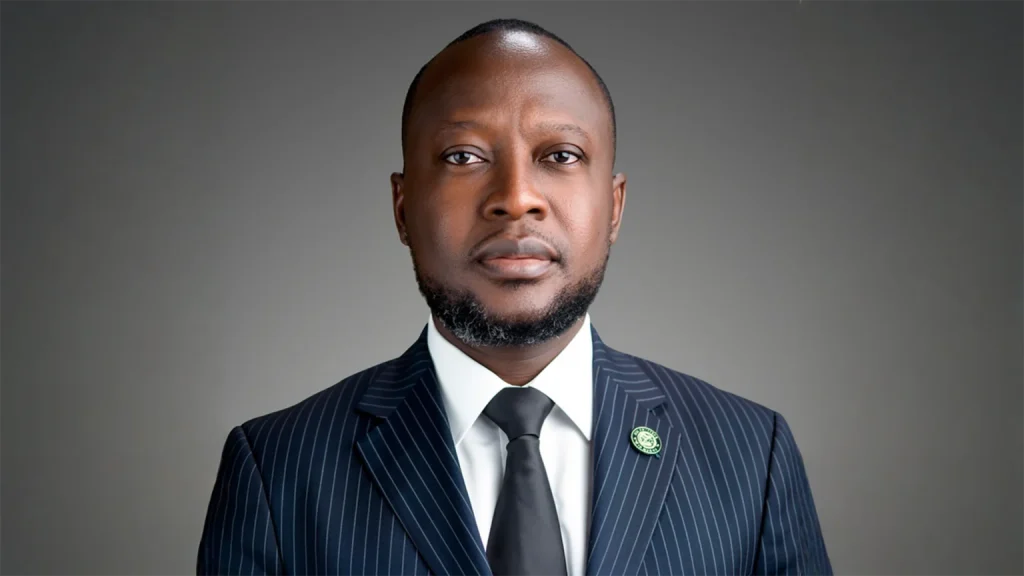
The reported move comes amid growing complaints about refuse accumulation across Lagos, raising fresh questions about waste collection, disposal infrastructure and the performance of the state’s waste management system.
Lagos State Governor Babajide Sanwo-Olu has reportedly asked the Managing Director and Chief Executive Officer of the Lagos Waste Management Authority (LAWMA), Dr Muyiwa Gbadegesin, to resign amid persistent complaints about refuse accumulation across the state.
The reported decision follows growing dissatisfaction with the pace of waste evacuation, with refuse continuing to pile up along major roads, residential streets and drainage channels in several communities.
According to reports citing an unnamed source within the agency, the governor became increasingly concerned that the waste management situation had not improved sufficiently despite earlier directives to address the problem.
However, as of October 20, the Lagos State Government had not formally confirmed Gbadegesin’s removal or issued an official statement announcing a change in LAWMA’s leadership. The development should therefore be treated as a reported request to resign rather than a confirmed change of office.
The development comes at a time when waste collection has become a major environmental concern for residents and businesses across Lagos.
Lagos Waste Crisis Puts Pressure on Government
The reported request for Gbadegesin to step down follows months of complaints about refuse collection in parts of the state.
Communities including Mushin, Egbeda, Surulere, Ajegunle, Ikorodu, Ojo, Obalende, Apapa and Mile 2 have been identified among areas affected by waste accumulation.
Refuse left unattended for extended periods can create unpleasant living conditions, obstruct drainage channels and increase exposure to environmental and public health risks. It can also affect businesses operating near waste collection points and make public spaces less safe and accessible.
The problem has placed pressure on the state government to demonstrate that its waste management interventions are producing visible and sustained improvements.
In September, Sanwo-Olu declared a state of emergency on waste management following an inspection of the Olusosun dumpsite in Ojota. The governor and his deputy, Dr Obafemi Hamzat, met with stakeholders in the sector to assess operational challenges and discuss immediate, medium-term and long-term measures to improve waste collection and disposal.
The governor also attributed part of the problem to the failure of some Private Sector Participation (PSP) waste operators to meet their service obligations.
The crisis has therefore raised questions not only about the leadership of LAWMA, but also about the wider system responsible for collecting, transporting and disposing of waste generated daily across the state.
Dumpsite Capacity and Collection Delays
Waste collection in Lagos depends on a chain of operations, from household and commercial collection to transportation, transfer and final disposal.
When one part of that chain experiences delays, the effects can spread across the system.
The state government has identified operational challenges at the Olusosun and Solous III dumpsites, including the need for waste compaction and disruptions associated with fire incidents.
During the September intervention, Sanwo-Olu said work was ongoing at the facilities and that completing the projects would improve waste evacuation capacity. He indicated that each dumpsite would be able to receive about 450 trucks of municipal waste daily once the relevant work was completed.
The capacity of disposal facilities matters because collection trucks need somewhere to unload the waste they gather. If trucks spend longer waiting to discharge their loads, they may complete fewer collection trips, potentially delaying service in the communities they cover.
However, improving disposal capacity alone will not resolve every challenge. Collection schedules, the availability of trucks, route planning, operator performance and coordination between agencies and private contractors also influence how reliably waste is removed.
For residents, the outcome is straightforward: waste must be collected regularly, transported safely and disposed of properly.
LAWMA Has Also Taken Action Against Waste Operators
The reported leadership development comes after LAWMA withdrew the operating licences of six PSP waste collection operators in October over concerns about their ability to meet required service standards.
The affected operators served areas across several local government and local council development areas. LAWMA said measures were being put in place to maintain collection services in the affected locations while replacement arrangements were considered.
The action reflects the important role private operators play in Lagos’ waste management system.
PSP operators are responsible for collecting waste from households and businesses within their designated areas, while LAWMA oversees the system and takes regulatory action where operators fail to meet requirements.
When collection services become unreliable, residents may be left with few practical alternatives. Some may store refuse for longer than expected, while others may resort to improper disposal, adding pressure to an already strained environment.
The challenge for the state is to ensure that enforcement measures lead to better service rather than interruptions in collection.
Revoking an operator’s license may address poor performance, but the affected community still needs a reliable replacement service. Similarly, additional trucks may help clear accumulated refuse, but regular collection must continue to prevent the same problem from returning.
Leadership Change Alone May Not Resolve the Crisis
If the reported request for Gbadegesin to resign leads to a formal leadership change, the incoming leadership will inherit a system facing operational and public confidence challenges.
The immediate priority will be to improve waste evacuation in affected communities. But the longer-term task will involve making collection more consistent and ensuring that improvements can be sustained.
That requires attention to several areas: the condition and availability of collection vehicles, the capacity of disposal facilities, the performance of private operators, monitoring of collection routes and the handling of complaints from residents.
It also requires clear accountability.
Residents need to know which operator is responsible for their area, how frequently collection should take place and where to report persistent service failures. The government, in turn, needs reliable information to identify missed routes, monitor operators and respond before waste accumulation becomes widespread.
A change in leadership may create an opportunity to review these issues, but it cannot replace the systems and resources needed to manage waste across a large and densely populated city.
The measure of success will be whether collection becomes more reliable and whether communities see lasting improvements after emergency clearance operations end.
What the Crisis Means for Lagos Residents
Waste management is a daily public service, with consequences for the environment, public health and economic activity.
For households, unreliable collection can mean paying for additional disposal arrangements or living with refuse for longer than expected. For businesses, accumulated waste can affect customers, workers and the use of nearby public spaces.
Blocked drainage channels can also complicate efforts to manage water during heavy rainfall, although flooding depends on several factors beyond waste alone, including drainage capacity, maintenance and development patterns.
The crisis therefore extends beyond the question of who leads LAWMA. It concerns the ability of the entire waste management system to deliver a basic service consistently.
Sanwo-Olu’s reported decision to ask Gbadegesin to resign signals the seriousness of the concerns surrounding waste collection. But the next steps will matter more than the announcement itself.
The state government will need to clarify the leadership situation, communicate its operational plans and demonstrate how its interventions will improve collection across affected communities.
Until then, the immediate concern for residents remains the same: when will refuse be collected regularly, and what will prevent it from piling up again?
For Lagos, resolving the waste crisis will require more than emergency clearances or changes at the top. It will require a dependable collection system, adequate disposal infrastructure, effective oversight and clear accountability for the service residents receive.
[give_form id="20698"]