ROSEMARY IMOBHIO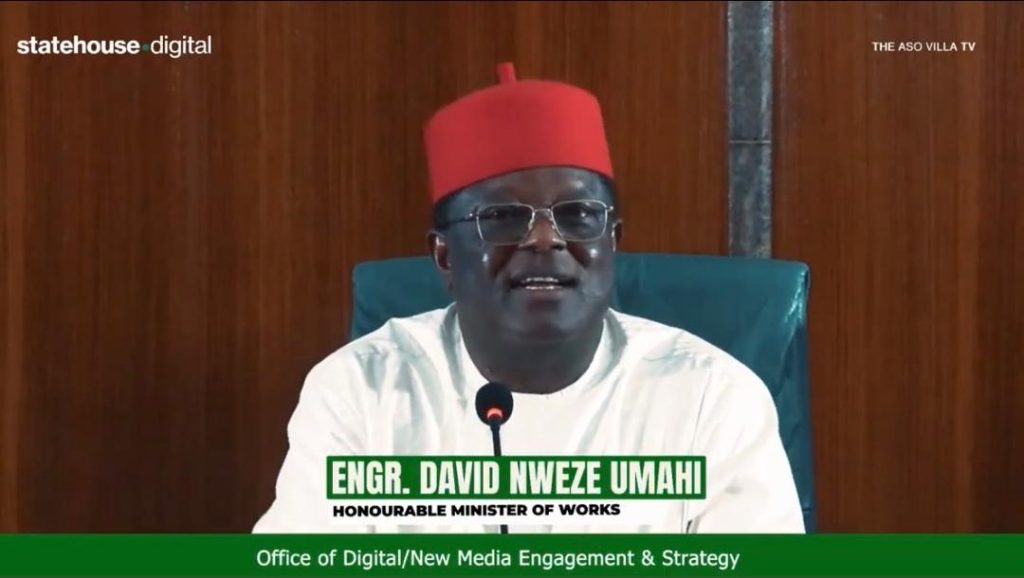
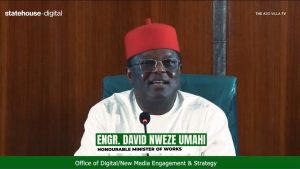
Nigeria’s Lagos-Calabar Coastal Highway remains under public scrutiny following reports that parts of its route could be redirected inland. On October 12, Minister of Works David Umahi insisted that the original alignment remained intact, explaining that the Federal Government’s plan to reconstruct 400 kilometres of the East-West Road would complement, rather than replace, the coastal highway.
His clarification addresses concerns about the project’s direction. However, questions remain about the final route, potential changes to contract costs, environmental safeguards and the distribution of economic benefits among affected communities.
For a major public infrastructure investment, reassurance alone is insufficient. Nigerians need evidence that explains the government’s decisions and how public resources will be used.
What Umahi Has Clarified
Speaking to State House correspondents after meeting President Bola Tinubu, Umahi described claims that the coastal highway had been abandoned as misleading.
He said the East-West Road reconstruction would address flooding, improve regional connectivity and strengthen transport infrastructure across the Niger Delta. According to the minister, surveying and engineering work was continuing along sections of the coastal highway where major construction had yet to begin.
Umahi also reported progress across several highway sections, including construction in Lagos, Ogun, Ondo, Akwa Ibom and Cross River states.
Nevertheless, the controversy extends beyond whether construction is continuing. Earlier remarks about using the existing East-West Road corridor raised concerns about whether parts of the coastal highway would follow a different route.
The government must therefore explain precisely how the two projects relate to each other.
Where Does the Highway Actually Go?
The central question is which communities and locations the completed highway will connect, particularly in areas where the original coastal route has reportedly been reconsidered.
If both projects will proceed independently, the government should publish their respective alignments. If any section of the coastal highway will share an existing road corridor, that arrangement should also be explained.
An updated route map identifying the original alignment, the currently approved design and the East-West Road reconstruction would help resolve the confusion. It should also identify affected communities and sections still undergoing surveys or engineering assessments.
Umahi has cited difficult terrain, flooding and climate-related risks as reasons for the government’s approach. These are legitimate engineering considerations. However, Nigerians need to understand how they informed the final decisions.
Which alternative routes were assessed? What engineering findings supported the selected option? How were construction costs, maintenance requirements and expected economic benefits compared?
Publishing the relevant studies would allow the public to assess whether the chosen approach offers the best overall outcome.
Read: Coastal Highway Realignment Puts Government Transparency to the Test
The Financial Questions Remain
The controversy has also revived questions about the project’s financing and contractual arrangements.
Former Vice-President Atiku Abubakar has called on the National Assembly to investigate what he described as a proposed loan of up to $20 billion linked to the coastal highway. He has demanded the publication of contract documents, payment records and borrowing terms.
However, his reported statement did not provide documentary evidence establishing that the alleged loan proposal exists or that it would finance payments to Hitech Construction Company, the project’s contractor. The allegation must not be treated as a confirmed financing arrangement.
The government can address the uncertainty by clarifying whether such a borrowing proposal exists, what projects it would finance and what approvals would be required.
Separately, Nigerians need to understand the financial implications of any changes to the highway’s design or scope.
If the original alignment remains unchanged, as Umahi maintains, the government should explain how that position relates to previous statements about the East-West Road corridor. If modifications have been approved, the public should be able to identify them and understand their implications for the contract sum.
Disclosure of approved costs, contract variations where applicable, expenditure to date and certified payments would strengthen confidence in the project’s financial management.
An additional infrastructure project does not automatically mean the original highway’s budget has increased. Equally, assurances about the route do not explain every financial decision associated with the wider programme.
What Happens to Coastal Communities?
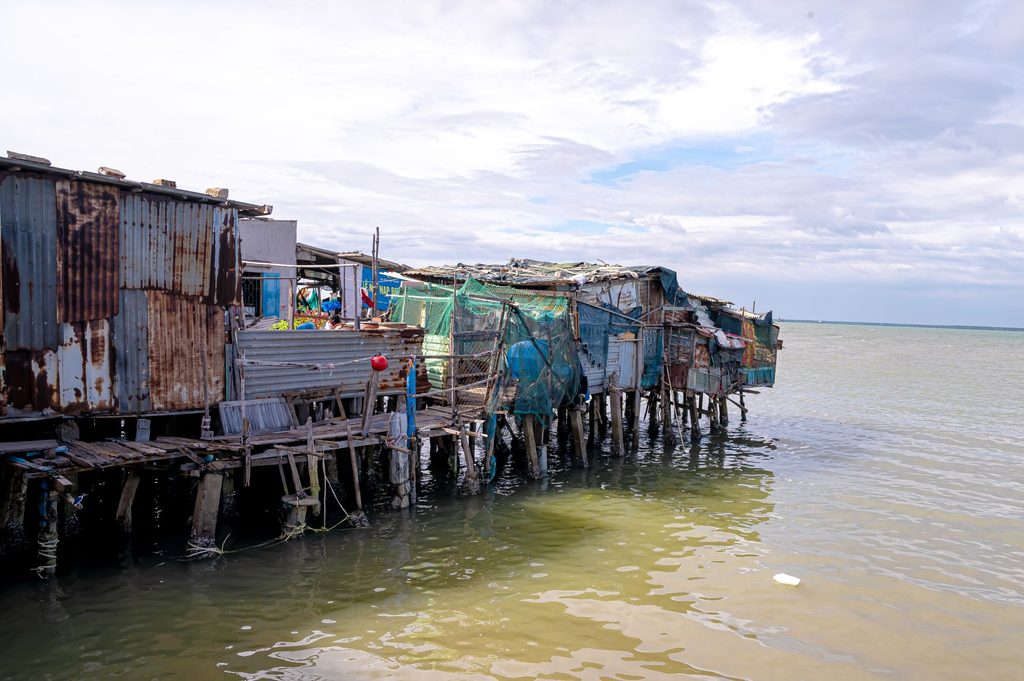
Senior Advocate of Nigeria Ebun-Olu Adegboruwa has urged President Tinubu to order an independent review of the reported realignment. Particularly its implications for coastal communities in Ondo and Delta states.
For communities dependent on fishing, agriculture, tourism and maritime activities, transport connections can influence access to markets, investment and employment.
However, a highway does not automatically guarantee these benefits. Outcomes depend on the final alignment, connecting roads, land access and supporting infrastructure.
The government should identify which communities the approved route will serve directly and explain how those outside it will connect to the highway.
Where engineering or environmental constraints make a direct coastal route impractical, alternative access roads could help preserve economic opportunities.
These considerations should inform project planning from the outset rather than become secondary concerns after major decisions have been made.
Environmental Claims Need Evidence
Umahi has also defended the government’s approach by citing flooding and climate change. These concerns deserve serious consideration in coastal environments exposed to flooding and erosion.
Nevertheless, climate resilience should be supported by relevant engineering and environmental evidence.
Different alignments may present different risks to wetlands, mangroves, fisheries, drainage systems and nearby settlements. The extent of these risks depends on the route, construction methods and local conditions.
The government should therefore make relevant environmental and social impact assessments accessible. Where the approved alignment has changed materially, the responsible authorities should clarify whether additional assessments or regulatory approvals are required.
It is equally important to explain how concerns raised by affected communities have informed the final design.
Environmental assessments must guide implementation, mitigation and monitoring, rather than simply serve as documents supporting project approval.
The Disclosure Test
Umahi’s latest comments provide an opportunity for the Federal Government to move beyond competing interpretations of public statements.
The Ministry of Works should publish an updated route map distinguishing the coastal highway from the East-West Road reconstruction. Relevant feasibility studies, engineering designs and environmental assessments should also be accessible, alongside explanations of major route decisions.
Financial disclosures should clarify approved project costs, formal contract variations where applicable and financing arrangements for both infrastructure commitments. Any proposed borrowing should be accurately identified, including its purpose and required approvals.
Finally, the government should explain how affected communities can participate in decisions influencing their livelihoods, environmental resources and access to markets.
These steps would allow citizens to evaluate the government’s position against evidence rather than competing claims.
The Lagos-Calabar Coastal Highway could improve connectivity and create economic opportunities across several states. Reconstructing the East-West Road could also address longstanding transport and flooding challenges in the Niger Delta. Both objectives may be worthwhile, but Nigerians deserve clarity on how they fit together.
Ultimately, successful infrastructure delivery requires more than completing kilometres of road. It demands transparent decisions, accountable spending and development benefits that reach the communities the projects are intended to serve.
[give_form id="20698"]