FG Disburses ₦658.9 Billion to 10.46 Million Households. Is the Cash Transfer Programme Enough?
 ONYINYECHI NWAIGBA
Nigeria’s cash transfer programme has delivered hundreds of billions of naira to vulnerable households, but questions remain about the adequacy of payments, who is being reached and how the government can make support more reliable.
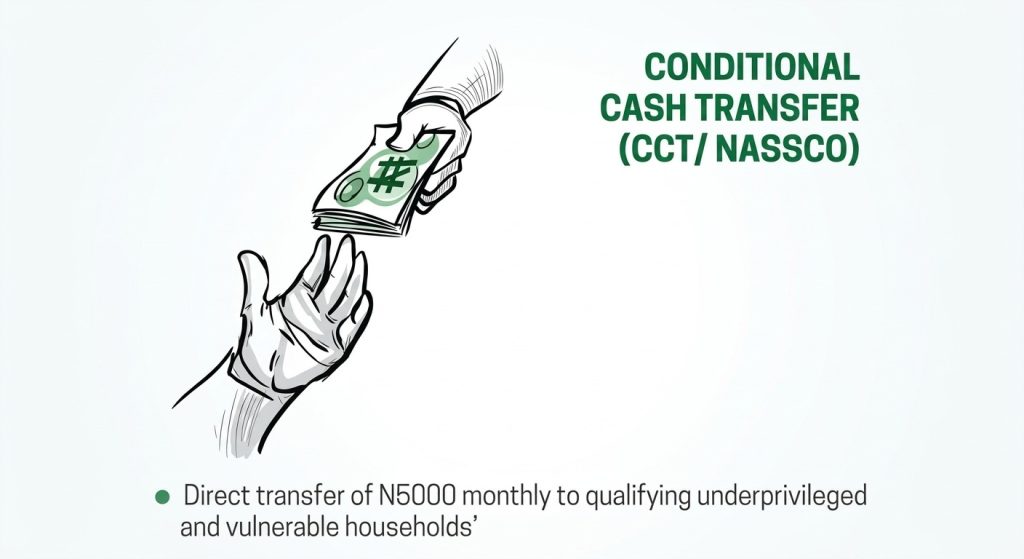
The Federal Government has reportedly disbursed ₦658.9 billion in direct cash transfers to 10.46 million poor and vulnerable households as of September 2026. The figures point to a major investment in social protection, but they also raise an important question: how much difference is the programme making in the lives of the people it is designed to support?
The figures were highlighted in the World Bank’s latest Nigeria Development Update, titled Beyond the Federal Purse: How Higher Revenues Shaped State Priorities. While recognizing the reach of the programme, the bank has called for wider coverage, more adequate payments and more consistent disbursements.
For millions of Nigerian households dealing with rising living costs and limited income, direct financial support can help cover essential expenses. However, the impact of a cash transfer programme depends on more than the amount of money disbursed by the government. It also depends on whether assistance reaches those who need it, whether the amount is useful and whether households can depend on receiving it when expected.
Why Cash Transfers Matter
Cash transfers are a form of social protection through which governments provide direct financial assistance to people or households experiencing poverty or vulnerability.
Unlike interventions that provide specific goods or services, cash support gives recipients some flexibility to decide how to use the money based on their immediate needs. A household may use it to purchase food, pay for transport, meet healthcare costs or support children’s education.
For families with little or no savings, even a relatively small payment can help address an urgent need. It may reduce the pressure to borrow money, sell essential belongings or withdraw children from school when household finances become strained.
Cash transfers can also provide some support to informal workers and families whose earnings change from week to week. When income is unpredictable, a reliable payment can help households plan their spending and manage difficult periods.
This is particularly important in Nigeria, where many people depend on informal employment, small businesses, casual work and other sources of income that do not always provide financial security.
However, cash transfers are not a complete solution to poverty. They cannot independently resolve the underlying problems that leave households vulnerable, including limited employment opportunities, low earnings, high living costs and inadequate access to essential public services.
Their role is to provide a measure of protection while broader economic and social policies address these challenges.
The Challenge of Reaching More Vulnerable Households
The reported disbursement of ₦658.9 billion to 10.46 million households represents a significant level of government spending. Yet the number of households reached does not, on its own, establish whether the programme is meeting the needs of Nigeria’s vulnerable population.
A major challenge for social protection programmes is identifying households that need assistance most urgently.
Some families may be experiencing severe hardship but remain outside existing beneficiary records. Others may face sudden changes in their circumstances, such as the loss of a job, illness, displacement or a sharp decline in household income.
If beneficiary records are outdated or the process for identifying eligible households is ineffective, assistance may not reach people whose circumstances have become more difficult.
The World Bank has therefore urged the government to expand the programme’s coverage.
Expanding coverage requires more than increasing the number of names on a register. It calls for reliable household data, clear eligibility rules, regular updates and a process through which people can raise concerns when they believe they have been wrongly excluded.
The government must also ensure that the identification process is fair and that vulnerable households in different parts of the country have a reasonable opportunity to be considered.
Is the Financial Support Enough?
Another important issue is the value of the payments received by beneficiaries.
A cash transfer can help a household meet essential expenses, but its usefulness depends on the cost of those needs and the size of the payment.
When food, transport, housing, healthcare and other basic expenses become more expensive, the same amount of money may cover less than it did previously.
This means that the amount transferred to a household should be assessed against the economic conditions beneficiaries face, rather than treated as adequate simply because a payment has been made.
The World Bank has called for improvements in the adequacy of the transfers, highlighting the importance of ensuring that the assistance provides meaningful relief.
This does not mean that cash transfers must cover every expense a household faces. Instead, policymakers need to consider what the payment is intended to achieve, which needs it is expected to support and whether its value remains relevant as living costs change.
The government should also communicate clearly about the programme’s objectives and the level of support beneficiaries can expect. Without that clarity, it becomes difficult for households and the wider public to assess whether the intervention is meeting its intended purpose.
Why Regular Payments Matter
The timing of financial assistance can be just as important as the amount received.
A household that depends on support to manage essential expenses needs some certainty about when payments will arrive. Irregular disbursements can make planning difficult, especially for families with little financial room to absorb unexpected costs.
For example, a household may postpone a necessary purchase or borrow money while waiting for an expected payment. If the assistance arrives late, the family may already have taken on additional financial pressure.
This is why the World Bank has stressed the need for more consistent disbursements.
A dependable social protection programme should give beneficiaries a clearer understanding of payment schedules, provide information when delays occur and offer a way to report failed or missing payments.
Consistency also matters for public confidence. People are more likely to see a programme as useful when its support is predictable and its processes are clearly communicated.
The objective should be to move beyond occasional relief towards a system that can provide reliable assistance when eligible households need it.
Digital Verification Is Only One Part of Accountability
The Federal Government has used biometric identification and digital verification systems to identify beneficiaries and facilitate payments.
These systems can help improve the identification process, reduce duplicate records and make it easier to track transactions. They can also support efforts to establish whether payments have reached the intended recipients.
However, technology alone cannot guarantee that a social protection programme is fair or effective.
The quality of the underlying data still matters. So does the process used to select beneficiaries, resolve complaints, correct errors and investigate suspected irregularities.
People who lack the documents, devices, connectivity or digital skills needed to navigate official systems should not be left without a clear way to seek assistance.
There must also be appropriate safeguards for personal information collected during registration and verification. Information about a household’s identity and financial circumstances should be handled responsibly and protected against misuse.
Accountability requires more than announcing the total amount disbursed. The public should be able to understand how beneficiaries are selected, how payments are monitored and how complaints are handled, while personal information remains protected.
Regular reporting can help demonstrate whether public funds are reaching eligible households and identify areas where implementation needs to improve.
Why States Must Be Part of the Solution
The World Bank has also called on federal and state governments to establish dedicated budget lines for social protection and gradually increase funding from domestic public resources.
This recommendation points to a broader issue: a national programme cannot provide lasting support if its funding and implementation depend mainly on short-term interventions.
Federal funding remains important, but state governments also have a role to play in identifying local needs, strengthening social services and supporting eligible households within their jurisdictions.
States may face different challenges. Some communities may be affected by displacement or insecurity, while others may experience seasonal income losses, limited employment opportunities or poor access to essential services.
A stronger social protection system should be able to respond to these differences while maintaining clear national standards and accountability.
Dedicated budget allocations can also make it easier to plan programmes beyond a single payment cycle. Rather than treating assistance as an occasional response to hardship, governments can make social protection part of their wider approach to poverty reduction.
This requires careful planning, coordination between levels of government and regular assessment of whether public spending is achieving the intended results.
Measuring Impact Beyond the Amount Disbursed
The ₦658.9 billion figure provides an indication of the scale of the reported intervention. But the real test is whether the programme is improving household welfare.
To assess its impact, the government needs to look beyond total spending and the number of households recorded as beneficiaries.
Relevant questions include whether eligible households are being reached, whether payments arrive as expected and whether the assistance helps families meet essential needs. It is also important to examine complaints, failed transactions, exclusion errors and the time required to resolve problems.
Independent monitoring and clear public reporting can help establish where the programme is working and where changes are needed.
Beneficiaries experiences should also inform improvements. Feedback from households can reveal practical barriers that may not be obvious from administrative records alone.
These measures would help the government distinguish between money allocated, payments successfully delivered and meaningful improvements in people’s lives.
Building a Social Protection System That Lasts
Nigeria’s cash transfer programme has reached millions of households, but its long-term value will depend on what happens next.
Wider coverage, adequate payments, consistent disbursements and stronger accountability are essential if financial assistance is to provide meaningful protection for vulnerable families.
The World Bank’s recommendations also underline the need for predictable funding from both federal and state governments. A lasting system must be able to plan beyond emergency responses and provide support through clear, sustainable arrangements.
Cash transfers cannot solve every cause of poverty, and they should not replace efforts to create jobs, improve public services or strengthen household incomes. However, when properly designed and managed, they can help families cope with hardship while broader reforms take effect.
Ultimately, the success of the programme should not be measured by the size of the disbursement alone. It should be measured by whether the right households receive support, whether that support is useful and reliable, and whether public money is producing the intended social outcomes.
For the millions of Nigerians living with financial uncertainty, the most important question is not simply how much the government has paid out. It is whether the support is making life more manageable — and whether the system can be trusted to continue doing so.
DON’T JUST ANNOUNCE YOUR IMPACT. PROVE IT.
CSR REPORTERS helps organisations verify, assess, document and communicate the real impact of their CSR and sustainability initiatives.
Project Verification | Beneficiary Feedback | Impact Assessment | Impact Storytelling | Stakeholder Engagement
Have an initiative worth documenting? Let us verify it. Document it. Tell the story.
Talk to CSR REPORTERS
enquiries@csrreporters.com
📞 Call/WhatsApp: 0803 401 2198 | 0903 329 6374 | 0905 024 4468 | 0803 209 8499
www.csrreporters.com