

 ONYINYECHI NWAIGBA
As Nigeria pursues its climate commitments and works to reduce gas flaring, the real test will be whether cleaner energy, environmental protection and economic opportunities reach households, businesses and vulnerable communities.
Nigeria’s energy transition is often discussed through ambitious climate targets, renewable energy investments and international commitments. But beyond government policies and conference declarations, millions of Nigerians are still dealing with unreliable electricity, expensive energy alternatives and the environmental consequences of fossil fuel production.
For communities in oil-producing regions, the transition also raises another concern: after decades of living with gas flaring, pollution and environmental degradation, will the shift towards cleaner energy finally improve their quality of life?
These questions are becoming increasingly important as Nigeria prepares to engage with the global climate agenda ahead of COP31. The country has committed to achieving net-zero emissions by 2060, reducing routine gas flaring by 2030 and expanding renewable energy. However, achieving these targets will require more than policy announcements. It will demand sustained investment, corporate accountability and a transition that considers the people most affected by the country’s energy system.
Nigeria’s Climate Ambitions Meet a Difficult Reality
Nigeria’s climate commitments have evolved considerably over the years. From participating in the 1992 Rio Earth Summit to signing the Paris Agreement and developing its Energy Transition Plan, the country has increasingly positioned climate action as part of its long-term development priorities.
Its updated Nationally Determined Contribution (NDC 3.0) sets economy-wide emissions targets for 2030 and 2035, while maintaining the ambition to reach net-zero emissions by 2060.
For the oil and gas sector, the commitments include ending routine gas flaring by 2030 and reducing fugitive emissions, including methane leaks and venting, by 60 per cent by 2035 and 95 per cent by 2050.
These targets are significant, particularly for a country whose economy has historically depended heavily on oil and gas revenues.
However, the scale of the challenge becomes clearer when existing environmental data are considered.
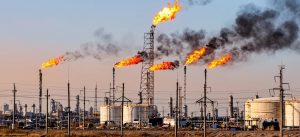
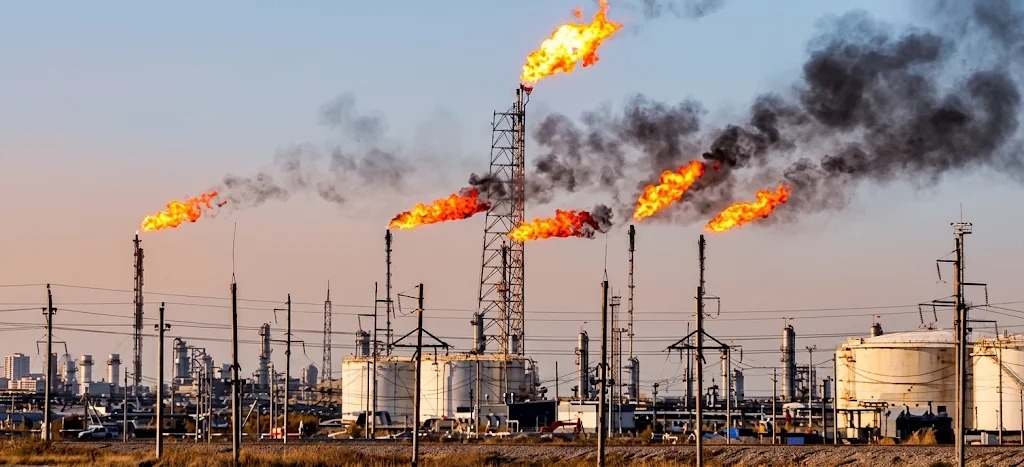
According to the US Energy Information Administration, drawing on estimates from the World Bank’s Global Flaring and Methane Reduction Partnership, Nigeria flared approximately 229 billion cubic feet of natural gas in 2024. This represented an increase of about 12 per cent from the previous year.
The figure places Nigeria among the world’s major gas-flaring countries and raises questions about the pace of progress towards its 2030 commitment.
Gas flaring is not simply an environmental statistics issue. It represents wasted energy, avoidable emissions and potential economic value lost. For communities living close to oil and gas facilities, the consequences can include air pollution, environmental damage and concerns about public health and livelihoods.
The transition must therefore address both the emissions generated by the energy industry and the experiences of communities that have lived with its environmental costs.
The Communities That Must Not Be Left Behind
One of the most important considerations in Nigeria’s energy transition is what happens to communities that have depended on, or been affected by, the oil and gas industry for decades.
In parts of the Niger Delta, oil exploration and production have shaped local economies, employment opportunities and community relationships with energy companies. They have also been associated with persistent concerns about pollution, damaged ecosystems and the loss of livelihoods.
As the country moves towards cleaner energy, these communities should not be expected to carry the burden of transition without receiving meaningful benefits.
A just energy transition should include environmental remediation, access to alternative livelihoods, skills development and opportunities to participate in emerging energy industries.
For instance, workers whose livelihoods depend on traditional oil and gas operations may require retraining to participate in renewable energy installation, electrical maintenance, energy infrastructure and other emerging areas.
Local businesses should also have opportunities to supply equipment, provide services and participate in projects rather than watching investment and employment opportunities go to companies and workers from outside their communities.
This is where corporate responsibility becomes particularly important.
Companies operating in oil-producing areas should demonstrate how their environmental commitments translate into reduced pollution, community investment, local employment and improved livelihoods. Community engagement should also go beyond consultation meetings to include meaningful participation in decisions that affect people’s land, health and economic future.
A transition that reduces emissions but leaves affected communities economically vulnerable would fall short of its development objectives.
Renewable Energy Must Become More Accessible
Nigeria’s clean energy transition also faces a major affordability challenge.
Solar energy, mini-grids and other decentralised renewable solutions offer opportunities to improve electricity access, particularly in rural communities and areas with unreliable grid supply.
For small businesses, these solutions could reduce dependence on petrol and diesel generators, improve operating hours and make energy costs more predictable.
A small food-processing business, for example, needs dependable electricity to preserve products, operate equipment and meet customer demand. A rural health facility needs reliable power to store medicines and provide essential services. Households need electricity for lighting, education and everyday activities.
However, the availability of renewable energy technology does not automatically make it accessible.
The upfront cost of solar panels, inverters, batteries and installation remains beyond the reach of many households and small businesses. Financing arrangements, maintenance costs and access to reliable technical support can also determine whether a system remains useful over time.
This means Nigeria’s renewable energy strategy must address affordability alongside infrastructure deployment.
Financing models that allow households and businesses to spread payments over time, support for local solar businesses and investment in mini-grids could help make clean energy more accessible.
There is also a need to strengthen local technical capacity. As renewable energy adoption expands, Nigeria will require trained technicians, installers, engineers and maintenance professionals who can support the growing industry.
The opportunity is not only to increase renewable energy generation but also to create jobs and develop local businesses around the technologies powering the transition.
The Business Opportunity in a Cleaner Energy Economy
Nigeria’s energy transition should not be viewed exclusively as an environmental obligation. It also presents opportunities for economic diversification and private-sector growth.
The expansion of renewable energy could create demand for solar equipment, battery storage, electrical components, installation services, maintenance, energy financing and technical training.
Small and medium-sized businesses could participate in these value chains, particularly if policies encourage local manufacturing, skills development and access to finance.
The country’s Energy Transition Plan identifies significant potential for job creation across power, cooking and transport. Its projections include up to 340,000 net jobs by 2030 and 840,000 by 2060.
However, these opportunities will not materialise automatically.
Businesses need a stable policy environment, access to capital, skilled workers and predictable demand. Local manufacturers also require support to compete with imported products, while emerging energy entrepreneurs need opportunities to participate in large-scale projects.
There is an important role for financial institutions, development partners and government agencies in supporting businesses that can contribute to the clean energy value chain.
If managed effectively, the transition could create opportunities beyond electricity generation, supporting entrepreneurship, industrial development and employment.
The Financing Question Cannot Be Ignored
Turning Nigeria’s climate commitments into practical outcomes will require substantial financing.
The country’s Energy Transition Plan recognises that achieving net-zero emissions while addressing energy poverty and supporting economic development will require significant investment across power, cooking, transport, industry and oil and gas.
This makes climate finance an important part of the conversation.
However, the issue is not simply how much funding Nigeria can attract. It is also how that funding is allocated, who benefits from it and whether projects deliver measurable outcomes.
Climate financing should support projects that improve electricity access, expand clean cooking, reduce methane emissions, strengthen climate resilience and provide economic opportunities for vulnerable communities.
There must also be transparency in the implementation of funded projects. Investors, development institutions and government agencies should be able to demonstrate what has been delivered, how much was spent and whether the intended beneficiaries have experienced measurable improvements.
For communities, the value of climate finance should be visible in practical outcomes: cleaner environments, reliable electricity, better livelihoods and stronger resilience to climate-related risks.
Without clear accountability, climate finance risks becoming another set of impressive figures that do not translate into meaningful changes on the ground.
Corporate Accountability Must Be Part of the Transition
Government policy alone cannot deliver Nigeria’s energy transition. Oil and gas companies, renewable energy developers, manufacturers, financial institutions and other private-sector organisations all have responsibilities.
For oil and gas operators, this includes meeting emissions-reduction obligations, investing in gas capture infrastructure, preventing methane leaks and addressing environmental damage associated with their operations.
Nigeria’s Gas Flaring, Venting and Methane Emissions Regulations provide a framework for monitoring emissions and requiring producers to develop plans for eliminating and commercialising gas flaring.
The effectiveness of these regulations will depend on consistent enforcement, reliable emissions data and consequences for non-compliance.
Renewable energy companies also have responsibilities. Their operations should consider product quality, responsible disposal of batteries and electronic waste, worker safety and the long-term reliability of installed systems.
Sustainability should not be measured only by the amount of renewable energy capacity installed or the number of communities reached. Companies must also consider whether their projects are affordable, properly maintained and delivering the benefits promised.
This is particularly important as demand for solar panels and battery storage increases. A transition towards cleaner energy should not create new environmental and social problems through poorly managed waste, unsafe working conditions or exploitative supply chains.
Beyond COP31: What Should Nigeria Be Measuring?
International climate conferences provide opportunities for countries to present their commitments, negotiate financing arrangements and strengthen partnerships.
But Nigeria’s progress should not be measured by its participation in international meetings alone.
The more important test is what happens between conferences.
Are gas-flaring volumes declining? Are methane emissions being measured and reduced? Are more households and businesses gaining access to reliable electricity? Are clean cooking solutions becoming affordable? Are workers and communities benefiting from new employment opportunities?
These questions require clear indicators, publicly available information and regular progress reports.
Government agencies should publish credible data on emissions reductions, renewable energy deployment, electricity access and the implementation of climate projects. Companies should disclose relevant environmental performance and demonstrate how their operations affect host communities.
Communities should also have accessible channels to report environmental concerns and participate in decisions about projects that affect them.
Nigeria’s energy transition is an opportunity to rethink how energy development contributes to national prosperity. But the benefits must extend beyond government targets, corporate sustainability reports and international commitments.
The country cannot claim a successful transition simply because it is producing more solar power or announcing new climate targets. Success must also be reflected in cleaner environments, affordable energy, decent jobs and improved livelihoods.
Ultimately, the question is not whether Nigeria can announce a cleaner energy future. It is whether ordinary Nigerians, especially those who have carried the greatest environmental and economic costs of the existing energy system, will be able to experience it.
DON’T JUST ANNOUNCE YOUR IMPACT. PROVE IT.
CSR REPORTERS helps organisations verify, assess, document and communicate the real impact of their CSR and sustainability initiatives.
Project Verification | Beneficiary Feedback | Impact Assessment | Impact Storytelling | Stakeholder Engagement
Have an initiative worth documenting? Let us verify it. Document it. Tell the story.
Talk to CSR REPORTERS
enquiries@csrreporters.com
📞 Call/WhatsApp: 0803 401 2198 | 0903 329 6374 | 0905 024 4468 | 0803 209 8499
www.csrreporters.com