
 ROSEMARY IMOBHIO
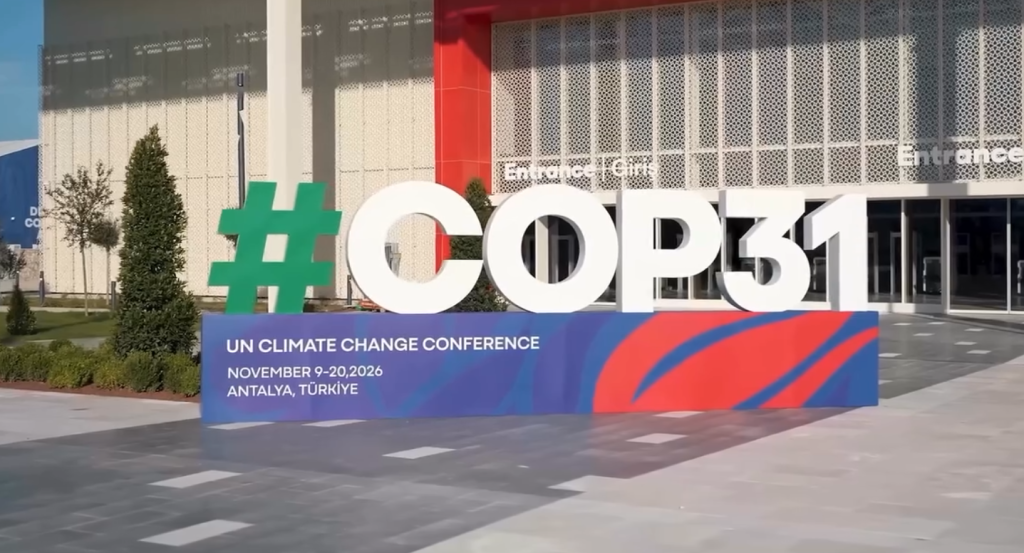
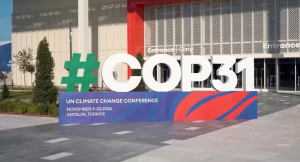
COP31 opened in Antalya on 9 November, about ninety minutes late. Negotiators had argued overnight over whether climate finance items belonged on the official agenda. That tension will shape two weeks of talks that end on 20 November.
Türkiye presides, while Australia’s Chris Bowen leads the negotiations under an unusual shared arrangement. Nearly 200 countries are attending, alongside businesses, development banks and civil society.
Nothing has been decided yet, so this is an opening analysis. For Africa, the practical question is which talks will change the cost of capital, the price of energy and the safety of cities. A harder question follows. Who will answer for delivery?
Climate finance: Will developing countries finally get the money they need?
Money is the first fault line. COP29 set a $300 billion annual target, and COP30 sketched a path towards $1.3 trillion. However, a senior EU official has warned that political will for extra pledges is absent.
Adaptation shows the gap clearly. UNEP’s 2026 report puts developing-country needs at about $305 billion a year by 2035. Developed countries provided $28.2 billion in 2024, below the $40 billion target for 2025. Even a tripling would cover only 20 to 29 per cent of needs.
African negotiators want grants and concessional funding, not loans that deepen debt. They also seek a strong Green Climate Fund replenishment. AFP reports, citing a source, that tripling adaptation finance will not get its own agenda item.
Nigeria’s numbers show the scale. NDC 3.0 (Nigeria’s Third Nationally Determined Contribution) requires about $337 billion for 2026 to 2035, including $141.5 billion for adaptation. Roughly 80 per cent is expected from international and private sources. Meanwhile, tracked climate finance averaged only $2.5 billion a year in 2021 and 2022, against estimated needs of $29.7 billion.
The energy transition: Can Africa decarbonise without compromising development?
Access comes first. Sub-Saharan Africa has over 560 million people without electricity and 970 million without clean cooking. As a result, the transition debate there concerns building systems as much as retiring them.
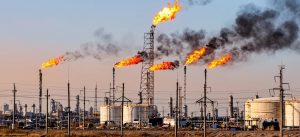
The fossil fuel question remains open. COP30 ended without explicit fossil fuel language and offered a voluntary roadmap instead. The African Group argues that resources should not be stranded while development needs persist. It also wants higher emitters to lead.
Meanwhile, Türkiye invites countries to a voluntary pledge to lift electricity’s share of energy demand from about 20 to 35 per cent by 2035. The EU wants that electrification to be clean, so friction is likely.
Producers face harder trade-offs. Nigeria earned more from this year’s oil spike, yet Lagos petrol prices rose nearly 35 per cent after the Iran war began. The IMF also cut Nigeria’s 2026 growth forecast to 4.1 per cent. Therefore, oil companies, utilities, manufacturers and banks each hold part of the answer, from methane control to grid reliability to patient capital.
Climate adaptation: Are countries moving from plans to implementation?
COP30 finalised 59 voluntary indicators to track the Global Goal on Adaptation. Even so, full agreement was not reached, and a two-year process will refine them. African negotiators want a technical task force to settle methodologies.
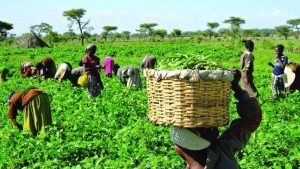
Measurement matters because exposure is rising. Nigeria’s 2026 flood outlook flagged more than 30,000 communities at risk, with 14,118 classed as high risk across 266 local government areas. On 30 October, flooding in Taraba State’s Gassol area destroyed farmland and displaced thousands of households.
Businesses carry this risk too. Lenders, insurers, developers and agribusinesses all hold flood exposure in their portfolios. Therefore, adaptation needs bankable projects, not only plans.
Just transition: Who bears the cost of a cleaner economy?
COP30 approved a just transition mechanism, yet its design is unfinished. The African Group wants it made operational and wants the work programme continued. It argues the mechanism should cover workers, resource management and energy poverty, not power alone.
That framing fits Nigeria and other producers. Oil, gas and mining workers need reskilling before jobs disappear, not after. Host communities, in turn, need a visible share of the benefits. Because the mechanism centres on technical assistance and capacity building, the money question stays open.
Food, cities and waste: The climate agenda beyond energy
The Presidency’s Action Agenda has 10 priority themes and six global targets for 2035. They include halving the growth in waste generation and cutting building energy intensity by at least 25 per cent. Türkiye’s minister says waste accounts for about 20 per cent of human-caused methane.
The agenda sits alongside the formal talks, and the African Group cautions against moving presidency initiatives into negotiating texts without consultation. Even so, the themes touch daily African life. Floods threaten harvests, while disrupted Gulf fertiliser exports are pushing up input costs. Food manufacturers, retailers, developers and waste firms therefore shape prices, methane and resilience at once.
Climate accountability: Are countries delivering on their promises?
UNEP finds that new NDCs would cut emissions 5 to 8 per cent by 2030 and 11 to 15 per cent by 2035 against 2025 levels, whereas 18 and 45 per cent are required. UNEP also says current policies point to 2.8°C of warming this century.
Nigeria’s NDC 3.0 promises a 32.2 per cent cut by 2035 against 2018. Credibility will depend on reporting. Nigeria’s SEC asked public companies to file ISSB adoption plans by 15 October, and full mandatory reporting begins in January 2028. By contrast, Ghana’s mandatory start is January 2027 for significant public interest entities, while South Africa’s compliance is not yet mandatory.
Weak disclosure invites greenwashing. Boards should therefore treat climate claims as audited statements, not marketing copy. Investors will price the difference.
What COP31 means for Nigeria and Africa
The six issues feed each other. Without finance, adaptation stays on paper, without energy access, the transition stalls and without credible reporting, finance dries up.
Nigeria meets all six at once, through its oil economy, farms, flooded cities and industrial ambitions. NDC 3.0 also targets universal electricity access by 2030 and half of generation from renewables. Elsewhere, Ghana chairs the African Group. Nigeria, Kenya, Côte d’Ivoire, Ghana and Tanzania account for almost three quarters of recent clean cooking gains.
Opportunities follow if finance arrives. They include renewable energy, green manufacturing, climate-smart agriculture, resilient infrastructure, waste management and sustainable finance.
The Corporate Responsibility Question
Corporate strategy must connect to real operations, investments, supply chains and community relationships. A net-zero pledge without capital behind it is a press statement.
Energy companies should publish methane data and transition plans that workers can read. Banks and investors need to finance adaptation and resilient infrastructure, not only large renewable projects. Manufacturers can cut resource use and waste. Agribusinesses must protect soils, water and smallholder incomes.
Real estate and infrastructure developers should build for floods and heat. Multinationals owe host countries evidence that African operations create local jobs, skills and suppliers. Above all, commitments should be measurable, independently verified and backed by spending.
What should Africa demand from COP31?
Three categories deserve separate tracking. Negotiating demands include predictable grant-based finance, a Green Climate Fund replenishment, practical adaptation support, an operational just transition mechanism, access to climate technology and credible accountability.
Announced commitments come next. The Presidency’s electrification, waste and buildings targets are announcements, not negotiated decisions. A leaders’ summit follows on 11 and 12 November, and a business summit on 12 and 13 November.
Formal decisions arrive only when the conference closes. Observers expect few major breakthroughs, and the US administration has sent no officials. Readers should not assume any demand will be met.
Read: Can New Green Climate Fund Improve Sustainability in Africa?
After the Closing Gavel
So are global commitments becoming practical outcomes? For Africa, COP31 is about more than emissions targets. It concerns financing development, protecting livelihoods, securing energy, strengthening industry and preventing climate action from deepening inequality.
Accountability falls on more than negotiators. Finance ministers must turn pledges into project pipelines. Boards must publish numbers that auditors can test. When Ethiopia hosts COP32 next year, readers should be able to see who delivered, who delayed and who only issued statements.
| DON’T JUST ANNOUNCE YOUR IMPACT. PROVE IT. CSR REPORTERS helps organisations verify, assess, document and communicate the real impact of their CSR and sustainability initiatives. Project Verification | Beneficiary Feedback | Impact Assessment | Impact Storytelling | Stakeholder Engagement Have an initiative worth documenting? Let us verify it. Document it. Tell the story. Talk to CSR REPORTERS enquiries@csrreporters.com 📞 Call/WhatsApp: 0803 401 2198 | 0903 329 6374 | 0905 024 4468 | 0803 209 8499 www.csrreporters.com |