ECOWAS’ $650 Million Rice Project: Can West Africa Build a More Self-Sufficient Food System?
 ONYINYECHI NWAIGBA
The Regional Resilient Rice Value Chains Development Programme aims to strengthen rice production, processing and trade across West Africa. Its long-term success, however, will depend on whether the investment translates into better livelihoods for farmers, stronger agricultural businesses and a more reliable food supply for consumers.
Rice has become one of the most important food commodities in West Africa, feeding millions of households and supporting the livelihoods of farmers, processors, traders and other businesses across the agricultural value chain. Yet, despite the region’s agricultural potential, local production continues to fall short of demand, leaving many countries exposed to imported supplies and fluctuations in international food markets.
The Economic Community of West African States (ECOWAS) is now seeking to address some of these challenges through a regional agricultural investment programme valued at approximately $650 million.
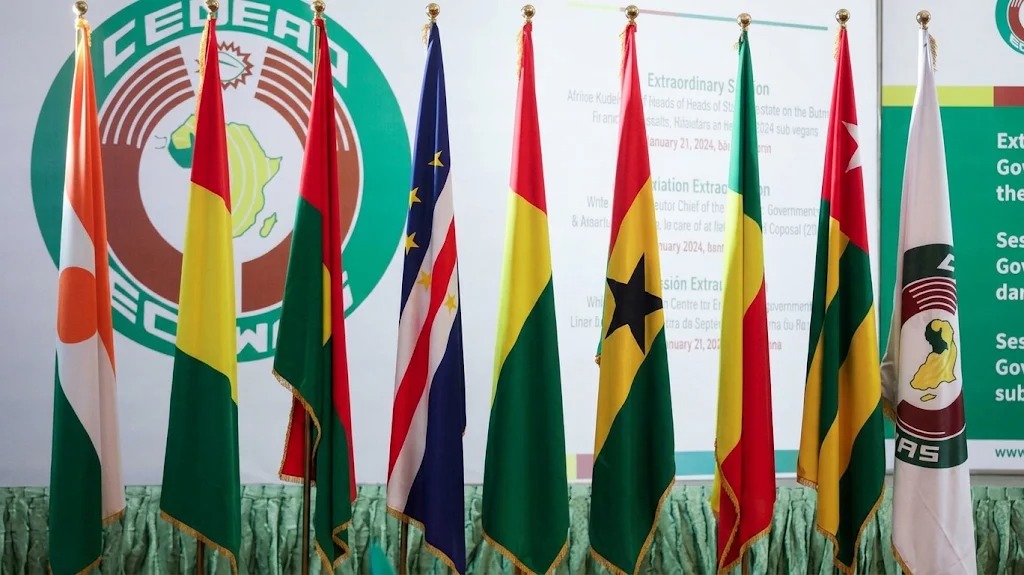
Launched in Abuja on November 11, 2026, the Regional Resilient Rice Value Chains Development Programme, known as REWARD, is designed to strengthen rice production, processing and marketing across West Africa. Supported by the African Development Bank (AfDB), with technical support from the Africa Rice Centre (AfricaRice), the initiative forms part of a wider regional effort to improve food sovereignty and reduce dependence on rice imports.
The programme is aligned with the ECOWAS Regional Rice Roadmap for 2025–2035, which targets annual rice production of 35 million tonnes by 2035. Achieving that ambition will require substantial investment, with ECOWAS estimating that approximately $25.6 billion will be needed to develop the region’s rice industry and meet future demand.
But beyond the size of the investment and the production targets, REWARD raises an important question: can West Africa build a rice industry that not only produces more food but also creates sustainable economic opportunities for the people who depend on agriculture?
Why West Africa Needs a Stronger Rice Value Chain
The challenge facing the region is not simply a shortage of farmland or agricultural potential. It is the difficulty of turning that potential into consistent, competitive and commercially viable production.
Farmers in many parts of West Africa continue to contend with limited access to quality seeds, inadequate irrigation infrastructure, expensive agricultural inputs, low levels of mechanization and insufficient technical support. These challenges affect productivity and make it difficult for local producers to compete with imported rice.
The problems also extend beyond the farm.
Inadequate storage facilities, inefficient transportation systems, post-harvest losses and limited processing capacity can reduce the value of agricultural output before it reaches consumers. Even when farmers achieve good harvests, weak connections to processors and markets can prevent them from earning sustainable returns.
This is why strengthening the entire rice value chain matters.
REWARD is designed to address these structural weaknesses by supporting investments in production systems, agricultural inputs, processing facilities, market access and regional coordination. The programme also places emphasis on climate-resilient rice varieties and more sustainable agricultural practices.
The intention is to move beyond isolated interventions that increase production temporarily and create a more connected system in which farmers can access inputs, processors can obtain reliable supplies and consumers can find quality locally produced rice.
What the Investment Could Mean for Smallholder Farmers
For smallholder farmers, the success of the programme will ultimately be measured by whether it improves the conditions under which they grow and sell their crops.
Access to quality seeds, fertilizers, irrigation and appropriate farming technologies can improve yields and reduce the uncertainty associated with agricultural production. Better access to mechanization could also help farmers reduce labor constraints, improve efficiency and cultivate larger areas of land.
However, access to these resources is only one part of the equation.
Farmers also need dependable buyers, fair pricing arrangements, financing and the infrastructure to move their produce from farms to processing centers and markets. Without these connections, increased production may not necessarily translate into higher incomes.
A stronger rice value chain could create more predictable opportunities for smallholder farmers by improving their access to processors and organized markets. It could also encourage agricultural cooperatives and producer groups to negotiate better terms and participate more effectively in commercial agriculture.
For rural communities where farming remains a major source of income, these improvements could have wider implications for household welfare, employment and local economic activity.
Women and Young People Must Be Part of the Opportunity
Agricultural development programmes cannot achieve inclusive growth if the people who contribute significantly to food production and distribution remain on the margins of investment and decision-making.
Women play important roles across the rice value chain, particularly in processing, trading and small-scale agricultural production. Yet they often face barriers to land ownership, financing, modern equipment, technical training and access to larger markets.
Young people, meanwhile, face the challenge of entering an agricultural sector that is frequently perceived as financially uncertain and dependent on physically demanding work.
Investments in modern farming technologies, processing, storage, distribution and agricultural services could help change that perception.
A stronger rice industry has the potential to create opportunities beyond cultivation. Young entrepreneurs could participate in seed supply, equipment leasing, logistics, milling, packaging, digital agricultural services and produce distribution. Women-owned businesses could also benefit from improved access to processing infrastructure, finance and more organized markets.
For these opportunities to become meaningful, however, participation must be deliberately supported. Financing arrangements, training programmes and access to infrastructure must be designed to reach women and young people, rather than assuming that the benefits of increased agricultural investment will automatically extend to them.
The Role of Processing, Storage and Regional Trade
Increasing rice production will not solve West Africa’s food security challenges if the region cannot process, store and distribute what it grows efficiently.
Processing capacity is particularly important because locally produced rice must meet the quality, consistency and packaging expectations of consumers and commercial buyers.
When milling facilities are inadequate or outdated, farmers and processors may struggle to produce rice that competes effectively in the market. Poor storage systems can also expose harvested rice to moisture, pests and other forms of deterioration, resulting in avoidable losses.
Investment in modern processing facilities, storage infrastructure and transportation networks could help reduce these inefficiencies.
Regional trade is another important part of the programme’s ambition. West African countries do not have identical agricultural conditions, production capacities or seasonal patterns. Stronger regional markets could allow countries with production surpluses to supply markets experiencing shortages, while encouraging greater commercial cooperation among agricultural businesses.
This would require more than infrastructure. Governments must also address regulatory barriers, inconsistent policies and difficulties associated with moving agricultural products across borders.
ECOWAS has identified regional policy coordination and regulatory reform as important elements of its contribution to REWARD.
What Is ECOWAS Contributing to the Programme?
Although REWARD is valued at approximately $650 million, the ECOWAS Commission’s own component has a grant allocation of $12 million over five years.
This component focuses on policy and regulatory reforms, technical assistance and stronger coordination across the regional rice sector.
Its responsibilities include harmonizing rice-related policies, improving the regulatory environment for agricultural inputs and strengthening digital monitoring systems through the ECOWAS Rice Observatory.
The distinction is important because the $12 million allocated to the ECOWAS-led component is not the entire programme budget. It supports the regional institution’s specific responsibilities within a much wider, multinational investment initiative.
A regional steering committee has also been inaugurated to provide strategic oversight, review implementation progress and help identify challenges that could affect delivery.
The committee’s work will be important in ensuring that participating countries and institutions remain accountable for their respective responsibilities.
Nigeria’s Place in the Regional Food Security Agenda
For Nigeria, the programme has particular significance.
The country has a substantial domestic rice industry, supported by smallholder farmers, commercial producers, millers, distributors and other agricultural businesses. However, improving local production alone is not enough to guarantee a resilient rice market.
Access to affordable inputs, irrigation, financing, modern processing facilities and dependable markets remains important to the industry’s long-term competitiveness.
A stronger regional rice economy could create additional opportunities for Nigerian agricultural businesses through trade, investment, technology exchange and access to wider markets.
However, Nigeria’s participation in the programme requires careful attention. ECOWAS has indicated that five countries are participating in the first phase, with additional countries expected to join in subsequent phases. Nigeria has been identified as a country expected to participate in a later phase, but specific timelines and details of its involvement have not yet been established.
For Nigerian farmers and agribusinesses, the important issue will be how this regional ambition translates into accessible financing, technical support, infrastructure and practical opportunities within the country’s rice value chain.
The Real Test Is in Implementation
The launch of a $650 million programme represents a significant commitment to strengthening West Africa’s agricultural sector. But the scale of the investment alone cannot guarantee food security.
The region has previously announced ambitious agricultural targets and investment plans. The challenge has often been translating those commitments into consistent implementation, effective coordination and measurable improvements in the lives of farmers and consumers.
REWARD will therefore need clear implementation structures, transparent monitoring, responsible use of funds and meaningful participation from the private sector.
Governments must create an enabling environment for agricultural businesses, while development partners and financial institutions must ensure that funding reaches viable projects and the communities that need it. Equally important is the need to measure results beyond the amount of money mobilized or the number of activities completed.
Are farmers earning better incomes? Are post-harvest losses declining? Are processing facilities becoming more efficient? Are women and young people gaining meaningful opportunities? Is locally produced rice becoming more competitive and accessible to consumers?
These are the questions that will determine whether the programme delivers lasting value.
Ultimately, West Africa’s rice ambitions should not be judged by production figures alone. A resilient food system must support the people who produce food, strengthen the businesses that process and distribute it, protect communities against climate and market disruptions, and ensure that households can access affordable and nutritious food.
If REWARD can help build that system, its impact will extend far beyond rice production. It could become an important step towards stronger rural economies, more inclusive agricultural growth and greater food security across West Africa.
[give_form id="20698"]