Nigeria’s 2.2 Million-Tonne Fish Deficit: The Opportunities and Challenges Behind the Food Security Gap
 ONYINYECHI NWAIGBA
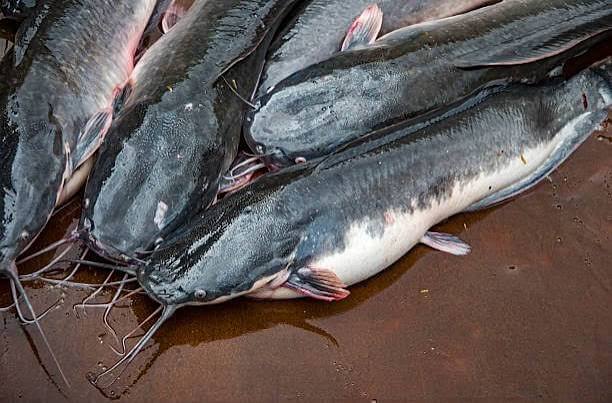
With domestic fish production falling significantly below national demand, Nigeria’s fisheries and aquaculture sector presents opportunities for farmers, processors and small businesses. But closing the gap will require more than investment. Affordable inputs, reliable infrastructure, accessible financing and stronger value chains will be critical to building a sustainable industry.
Nigeria’s fish industry sits at an important intersection of food security, employment and economic development. From small-scale fish farmers and artisanal fishers to processors, traders and distributors, millions of Nigerians depend on the sector for their livelihoods. Yet the country continues to produce considerably less fish than it consumes, leaving a substantial gap that is largely filled through imports.
The scale of the challenge has renewed calls for investment in domestic fish production and the wider aquaculture industry.
According to the Minister of Marine and Blue Economy, Adegboyega Oyetola, Nigeria requires approximately 3.6 million metric tonnes of fish annually but produces about 1.4 million metric tonnes. This leaves an estimated annual supply deficit of 2.2 million metric tonnes.
Speaking at a high-level roundtable on sustainable catfish value chain transformation in Abuja on November 11, 2026, the minister described the shortfall as both a food security challenge and an opportunity to expand local production, attract investment and create employment.
The government is encouraging investors and financial institutions to explore opportunities across the industry, including hatcheries, fish feed production, equipment manufacturing, processing, transportation, cold-chain infrastructure and trading.
However, the opportunities cannot be separated from the difficulties that have constrained the sector for years. High production costs, inadequate infrastructure, limited access to financing and weak market systems continue to affect the ability of local businesses to compete and expand.
The question is therefore not simply how Nigeria can produce more fish, but how it can build an industry that is commercially viable, environmentally sustainable and capable of supporting the people whose livelihoods depend on it.
A Food Security Challenge With Economic Consequences
Fish plays an important role in the Nigerian diet, providing an accessible source of animal protein and essential nutrients for millions of households.
A 2026 working paper by the International Food Policy Research Institute (IFPRI) estimates that fisheries and aquaculture contribute between 3 and 4 per cent of Nigeria’s gross domestic product and provide approximately 40 per cent of the animal-source protein consumed in the country.
The sector also supports the livelihoods of around 12 million artisanal fishers and fish farmers, making it an important source of income and economic activity across coastal and inland communities.
When domestic production cannot meet demand, the consequences extend beyond the agricultural sector. Reliance on imported fish exposes the country to international market fluctuations, foreign exchange pressures and disruptions in global supply chains.
For households, this can contribute to higher food costs and make an important source of protein less affordable.
The supply gap also represents economic activity that could potentially support Nigerian businesses. Fish that could be produced, processed and distributed locally is instead sourced from outside the country, limiting the opportunities available to domestic producers and other businesses along the value chain.
Increasing local production could help retain more economic value within the country, but this will require a coordinated approach that addresses the constraints affecting the entire industry.
The Business Opportunities Extend Beyond Fish Farming
One of the important points emerging from the government’s recent engagement with industry stakeholders is that the fish supply deficit cannot be addressed by fish farmers alone.
A functioning aquaculture industry depends on several interconnected businesses, each contributing to the production, preservation and distribution of fish.
Hatcheries and quality fingerling production, for example, are essential to ensuring that farmers have access to healthy and suitable fish stock. Without reliable supplies, farmers may experience poor growth rates, increased mortality and reduced production.
Fish feed manufacturing presents another significant opportunity. Feed is one of the largest operating expenses in aquaculture, and the high cost of feeding fish continues to affect profitability. Businesses capable of producing affordable, nutritionally appropriate feed using locally available raw materials could help reduce production costs while supporting domestic agricultural value chains.
There are also opportunities in equipment manufacturing, pond construction, water management systems, fish health services and farm technology.
Further down the value chain, processing businesses can create additional value through smoking, drying, packaging, preservation and distribution. Investment in modern processing facilities could improve product quality, extend shelf life and give businesses access to more organised markets.
Cold-chain infrastructure is particularly important. Fish is highly perishable, and inadequate refrigeration during storage and transportation can result in significant losses before products reach consumers.
Businesses that provide reliable cold storage, refrigerated transportation and distribution services could therefore play an important role in reducing waste and improving the efficiency of the industry.
These opportunities show why aquaculture development can have a multiplier effect. Expanding fish production creates demand for services, equipment, inputs and businesses that support the industry.
Why Fish Farmers Are Still Struggling
Despite the size of the domestic market, operating a fish farm in Nigeria is not without considerable financial and technical challenges.
The cost of fish feed remains one of the most significant barriers to expansion. According to IFPRI’s 2026 analysis, feed accounts for approximately 60 to 70 per cent of aquaculture production costs.
For small-scale farmers operating with limited capital, rising feed prices can quickly make production difficult to sustain. Farmers may be forced to reduce feeding, delay production cycles or limit the number of fish they can raise.
Access to quality fingerlings is another concern. Poor-quality stock can affect growth, survival rates and the overall productivity of a fish farm. A stronger hatchery system is therefore necessary to support consistent production and improve farmers’ chances of running viable businesses.
Energy costs also place pressure on operations, particularly farms that depend on pumps, aerators and other equipment to maintain suitable water conditions.
Financing presents a further challenge. Fish farming requires capital at different stages of production, but the timing of returns does not always align with conventional loan repayment arrangements.
A farmer may need several months to complete a production cycle and sell mature fish. Loan products with repayment schedules that do not account for this reality can create additional pressure, even where the business has commercial potential.
At the November 11 roundtable, Oyetola specifically urged financial institutions to develop financing arrangements that reflect the production cycles and cash-flow requirements of aquaculture businesses.
This is an important consideration. Access to finance is not simply about making loans available. The terms, cost, disbursement timing and repayment structure must be appropriate for the businesses expected to use them.
Women and Young People Have a Significant Stake
The development of Nigeria’s fisheries and aquaculture sector also has important implications for inclusive economic growth.
Women play a substantial role in the industry, particularly in fish processing, trading and distribution. However, their participation does not always translate into equal access to financing, modern equipment, technical training or larger commercial markets.
IFPRI’s 2026 working paper estimates that women account for more than 60 per cent of the fisheries and aquaculture workforce in Nigeria.
This makes their inclusion an important consideration in any effort to expand the sector.
Improved processing facilities, affordable equipment, access to working capital and stronger market connections could help women-owned businesses increase productivity and move into more profitable areas of the value chain.
Young people also have opportunities beyond operating fish farms. The growth of aquaculture could support businesses in feed production, hatchery management, equipment supply, logistics, digital farm management, processing and marketing.
These activities could make the industry more attractive to young entrepreneurs who are interested in agriculture but may not necessarily want to engage in traditional farming.
However, these opportunities will require deliberate support through technical education, business development programmes, access to finance and an enabling environment for small enterprises.
Without these interventions, the expansion of the industry could benefit larger investors while leaving smaller businesses struggling with the same barriers that have limited their growth.
The $200 Million World Bank Commitment and What It Means
The Federal Government has also announced a $200 million financing commitment from the World Bank Group to support fisheries and aquaculture development across Nigeria.
The financing is expected to be made available to state governments through concessional loans, with the aim of expanding production capacity, attracting private investment and strengthening the country’s fish supply.
Under the proposed state-driven framework, participating states are expected to identify priority fisheries value chains, assess investment opportunities and develop bankable projects with measurable production targets.
The approach recognises that fisheries and aquaculture development cannot be managed effectively through federal policy announcements alone. State governments have important roles in identifying suitable production areas, supporting local businesses, improving infrastructure and coordinating activities with farmers and investors.
The financing could create opportunities for private businesses if it translates into practical support for production facilities, processing infrastructure, storage systems and other critical parts of the value chain.
However, the commitment should not be mistaken for a direct grant to individual fish farmers or small businesses. Its delivery through state governments means that the structure of implementation, access requirements and selection of projects will determine how much of the financing eventually benefits local producers.
Details of disbursement timelines and specific project implementation arrangements have not yet been established publicly.
For the initiative to deliver meaningful results, there must be transparency in project selection, clear accountability for the use of funds and measurable outcomes at the state and community levels.
Environmental Sustainability Must Be Part of the Expansion
Increasing fish production is important, but it must not come at the expense of the natural resources on which the industry depends.
Nigeria’s fisheries sector faces pressures from overfishing, illegal and unregulated fishing practices, habitat degradation and climate change. These challenges affect the availability of fish in natural water bodies and threaten the livelihoods of communities that depend on fishing.
Aquaculture can help reduce some of the pressure on wild fish stocks by increasing the supply of farmed fish. However, poorly managed fish farming can also create environmental problems through water pollution, inappropriate waste disposal, disease outbreaks and the misuse of chemicals.
Sustainable expansion will therefore require responsible farm management, effective biosecurity, appropriate water management and better regulation.
The quality of fish feed also matters. Developing locally sourced feed alternatives must go hand in hand with nutritional standards and responsible production practices to ensure that efforts to reduce costs do not compromise fish health or product quality.
Environmental safeguards should be integrated into financing and investment decisions rather than treated as an afterthought.
Turning the Supply Gap Into a Sustainable Industry
Nigeria’s 2.2 million-tonne fish deficit presents a significant economic opportunity, but the existence of unmet demand does not automatically make fish farming a profitable venture.
Businesses still need affordable inputs, reliable infrastructure, access to finance, technical expertise and dependable markets. Without these conditions, the supply gap could remain large even as more entrepreneurs attempt to enter the industry.
Government policies must therefore move beyond encouraging investment to addressing the structural problems that make production expensive and unpredictable.
Financial institutions need to develop products that reflect the realities of aquaculture. Development partners can support technical capacity, improved production systems and access to modern technology. Private investors can contribute capital and expertise across processing, storage, feed production and distribution.
Equally important is the need to strengthen the position of smallholder farmers, women-owned businesses and young entrepreneurs within the industry.
The real measure of progress should not be the amount of funding announced or the number of investment opportunities identified. It should be whether domestic production increases, farmers earn better incomes, businesses become more competitive, post-harvest losses decline and consumers gain more reliable access to affordable fish.
Nigeria already has a substantial market and an established base of fish farmers, processors and traders. What remains is the task of building a more efficient and inclusive system that allows these businesses to grow.
Closing the fish supply gap could strengthen food security, reduce import dependence and create opportunities across the economy. But achieving that outcome will depend on whether investment is matched by practical reforms and sustained support for the people who keep the industry running.
[give_form id="20698"]