CSR Personality of the Week: Tonye Cole and the Business of Building Sustainable Communities
 csrreporters
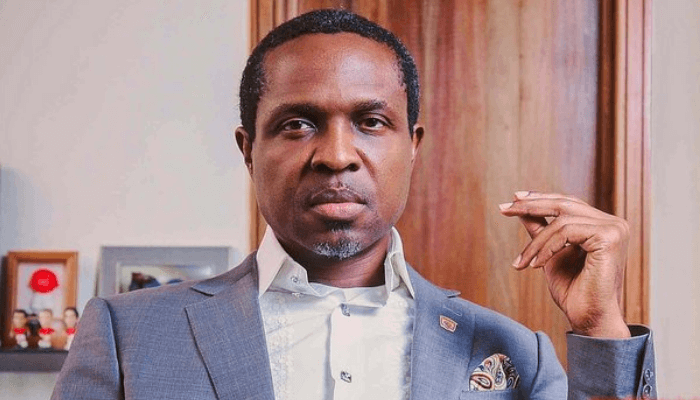
Nigeria’s investment conversation often focuses on how much capital the country can attract. However, for Tonye Cole, the more important question is what that investment will eventually deliver for Nigerians.
That question has become particularly relevant following his appointment to the board of the Nigerian Investment Promotion Commission (NIPC) in October 2026. The Sahara Group co-founder joins the commission at a time when Nigeria is seeking to attract more long-term investment, strengthen its productive sectors and create opportunities for a rapidly growing population.
Cole has made his position clear. Investment must do more than improve economic indicators. It must support infrastructure, develop skills, create jobs and expand opportunities for people who need them.
This perspective reflects a career that has moved through entrepreneurship, energy, philanthropy and public service. It also offers an interesting lens through which to examine his contribution to corporate social responsibility and sustainable development in Africa.
From Entrepreneurship to Building an African Energy Business
Tonye Patrick Cole’s journey into business began long before Sahara Group became an established name in Africa’s energy industry.
An architect by training, he studied at the University of Lagos before gaining international experience in Brazil, where he participated in urban planning and infrastructure projects. He also completed the Advanced Management Programme at Harvard Business School.
However, it was in 1996 that he embarked on the business venture that would define much of his professional life. Alongside his partners, Cole co-founded Sahara Group, building an enterprise that expanded from energy trading into a diversified energy and infrastructure business.
Over the years, Sahara developed operations across several markets, covering different segments of the energy value chain. Its growth also reflected the increasing participation of indigenous African businesses in an industry historically dominated by international players.
For Cole, building an African energy business was not simply about establishing another commercial enterprise. It also demonstrated the capacity of African entrepreneurs to develop businesses that could compete internationally.
His involvement in the World Economic Forum’s Partnering Against Corruption Initiative and his participation in international development conversations further exposed him to questions around responsible business, governance and inclusive economic growth.
Eventually, he stepped away from executive responsibilities at Sahara in 2018 to pursue public service and politics. Nevertheless, his interest in business development, community investment and economic inclusion has remained central to his work.
Making Corporate Responsibility Part of Business
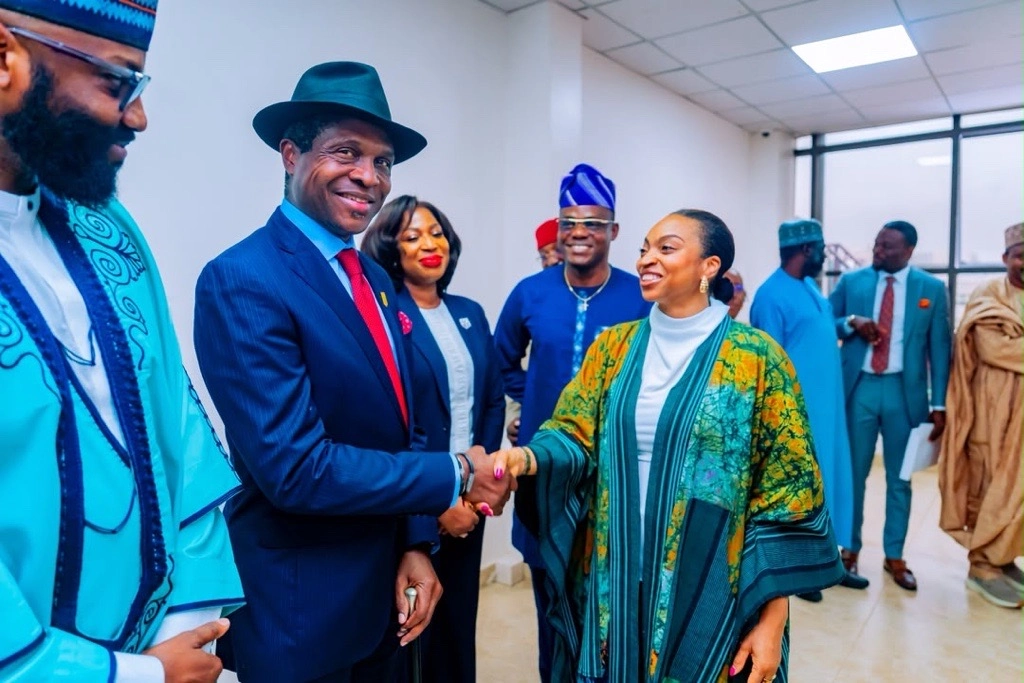
One of the important contributions associated with Cole’s business journey is the establishment of the Sahara Foundation. This is the corporate social responsibility vehicle of Sahara Group. Under his leadership, the foundation developed programmes addressing education, healthcare, environmental sustainability, youth development and community empowerment.
Its approach also introduced the concept of extrapreneurship, which focuses on identifying, developing and connecting entrepreneurs who can create solutions to social and economic challenges.
Rather than viewing young people simply as beneficiaries of corporate philanthropy, the approach recognises their potential to become problem-solvers and contributors to economic development.
This is particularly relevant in Africa, where unemployment, limited access to finance and inadequate infrastructure continue to restrict the growth of promising businesses.
Cole’s association with youth-focused development also extends beyond Sahara. He founded the Nehemiah Youth Empowerment Initiative and has been involved with Enactus Nigeria, which encourages university students to address economic, social and environmental challenges through entrepreneurship.
These interventions reflect an understanding of CSR that goes beyond donations. They place greater emphasis on building capacity, supporting enterprise and creating opportunities that can continue beyond individual interventions.
Taking Community Responsibility Beyond Corporate Philanthropy
Cole’s community development work has also taken a more direct form through the REACH Foundation, established in 2020. The foundation focuses on providing food, medical assistance and essential support to vulnerable communities, particularly in Rivers State.
During the COVID-19 pandemic, its interventions included the distribution of relief materials and support for healthcare facilities. However, its community engagement has continued beyond the emergency response.
In December 2025, Cole and his wife, Dr Sylvia Cole, supported an outreach that reached more than 5,700 families across 23 communities in the 23 local government areas of Rivers State. The exercise provided food supplies and essential relief materials to disadvantaged households.


Although food distribution is not a substitute for long-term food security programmes, such interventions can provide important support to families facing immediate economic difficulties. They also demonstrate why community engagement should remain an important part of corporate and private-sector responsibility.
For sustainability practitioners, the next question is how these interventions can connect with longer-term solutions around livelihoods, nutrition, local enterprise and economic resilience. That is an area where Cole’s interest in entrepreneurship and community development offers an opportunity for deeper impact.
His commitment to youth development also extends to his involvement with organisations working beyond his immediate business interests. Cole sits on the board of Slum2School Africa, a volunteer-led development organisation supporting children in underserved and remote communities across Nigeria. Through access to quality education, entrepreneurial training and additional support, the organisation works to help young people realise their potential and contribute to lasting social change.
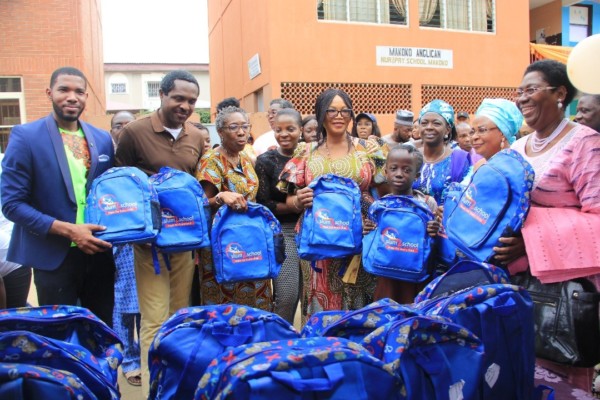
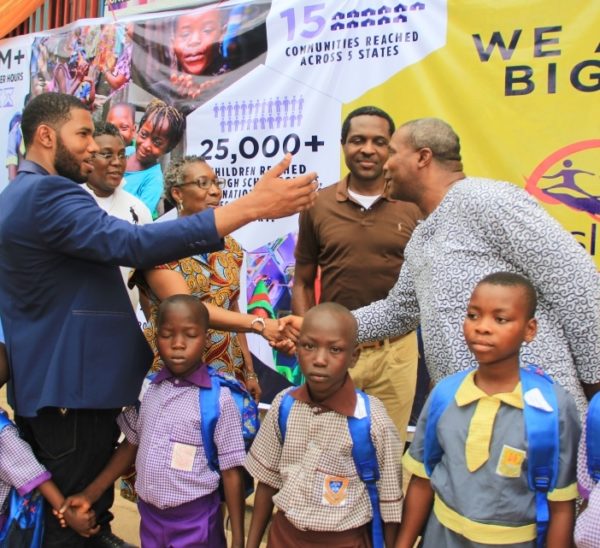
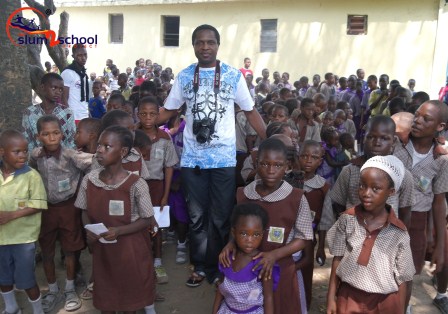
His involvement reflects a broader understanding of social responsibility: that improving lives requires more than occasional interventions. It also requires supporting institutions that expand access to education, strengthen individual capacity and create pathways for young people to participate meaningfully in society.
Energy Security, Investment and Africa’s Development
Energy remains another important part of Cole’s contribution to conversations about Africa’s development. His experience in the oil and gas industry has shaped his views on energy security, local participation and the need for African countries to develop stronger productive capacity.
In a recent CNBC Africa discussion on geopolitical tensions in the Gulf and the United Arab Emirates’ decision to leave OPEC, Cole argued that global energy disruptions should encourage African producers to strengthen their ability to respond to changes in supply and demand.
He pointed to Nigeria’s experience in developing indigenous upstream companies as an example of what local participation can achieve. However, he believes this progress must extend across the continent.
He has also advocated stronger regional cooperation, including improved cross-border infrastructure and refining capacity. In his view, Africa should not remain a collection of resource-producing countries that depend heavily on external markets to process and distribute its resources.
This position has implications beyond the energy industry. For African economies, stronger local production and regional infrastructure can support industrialisation, improve energy security and create employment. They can also reduce the vulnerability of businesses and households to external market disruptions.
Nevertheless, the transition must consider environmental responsibility, energy access and the long-term implications of continued dependence on fossil fuels. Sustainable energy development requires investment decisions that balance economic needs with environmental protection and the realities of communities affected by energy operations.
Why Investment Must Deliver for People
Cole’s recent appointment to the NIPC Board brings these issues together.
In an October 30, 2026 statement outlining his mission, he identified three priorities: telling Nigeria’s investment story more effectively, converting international interest into long-term investment and ensuring that investment delivers tangible benefits for Nigerians.
He drew attention to an important imbalance in Nigeria’s investment figures. According to the figures he cited, the country attracted US$10.37 billion in foreign capital in the first quarter of 2026. However, 94 per cent went into investments such as shares and bonds, while only 1.3 per cent went directly into Nigerian businesses and other long-term assets.
For Cole, attracting capital is only part of the assignment. The country must also create the conditions that encourage investors to finance productive businesses, infrastructure and employment-generating opportunities. He particularly highlighted energy, digital capability and skills development as areas requiring greater investment.
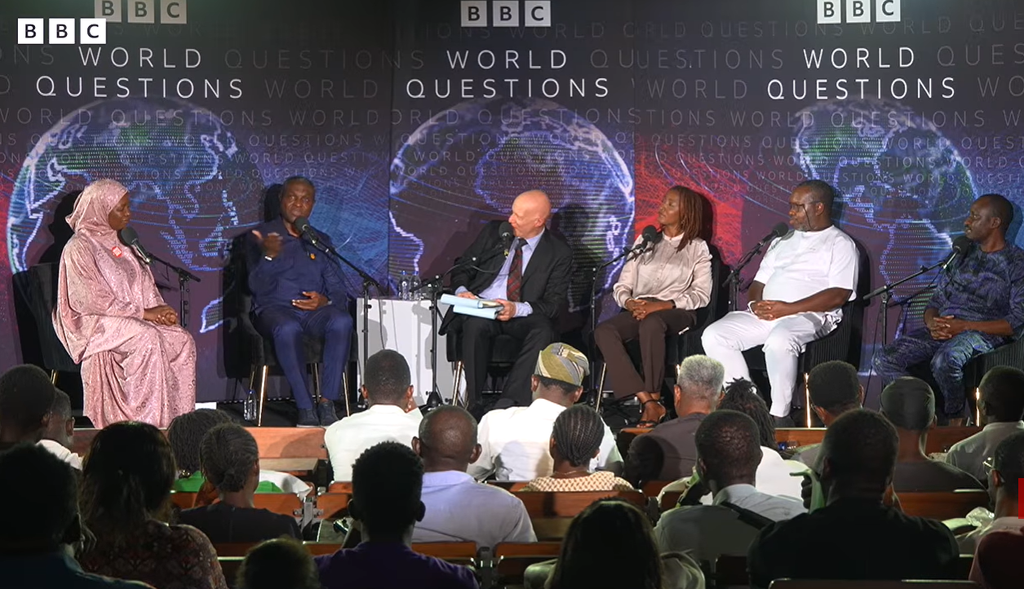
His argument also connects with a point he made during a BBC World Questions panel discussion in September 2026. Responding to questions about the credibility of government economic statistics amid worsening living conditions, Cole acknowledged that reforms could produce progress at the macroeconomic level without delivering immediate relief to ordinary citizens.
He explained that while changes might be taking place at the top, their benefits were not reaching people at the bottom quickly enough.
That acknowledgement is important in the context of sustainable development. Economic growth, investment figures and corporate performance indicators cannot tell the complete story if households continue to struggle with access to basic services and economic opportunities.
It also reinforces the need for accountability. Businesses and governments must be able to demonstrate how their decisions translate into improvements in people’s lives.
Making Investment Count for Africa
Ultimately, Cole’s contribution to the conversation about responsible business rests on a question that extends beyond corporate performance and investment figures: what changes for the people these businesses serve?
His appointment to the NIPC Board places that question within a new area of responsibility. As Nigeria works to attract long-term capital, the opportunity lies in directing investment towards productive businesses, stronger infrastructure, skills development and decent employment.
For Africa, the challenge is not simply to attract investment or build bigger businesses. It is to ensure that economic expansion creates value that reaches communities, strengthens local capacity and gives more people the opportunity to participate in prosperity. This is a conversation worth sustaining.
| DON’T JUST ANNOUNCE YOUR IMPACT. PROVE IT. CSR REPORTERS helps organisations verify, assess, document and communicate the real impact of their CSR and sustainability initiatives. Project Verification | Beneficiary Feedback | Impact Assessment | Impact Storytelling | Stakeholder Engagement Have an initiative worth documenting? Let us verify it. Document it. Tell the story. Talk to CSR REPORTERS enquiries@csrreporters.com 📞 Call/WhatsApp: 0803 401 2198 | 0903 329 6374 | 0905 024 4468 | 0803 209 8499 www.csrreporters.com |