Beyond the Violence: Rebuilding Livelihoods and Communities After Anambra’s Communal Conflict
 ONYINYECHI NWAIGBA
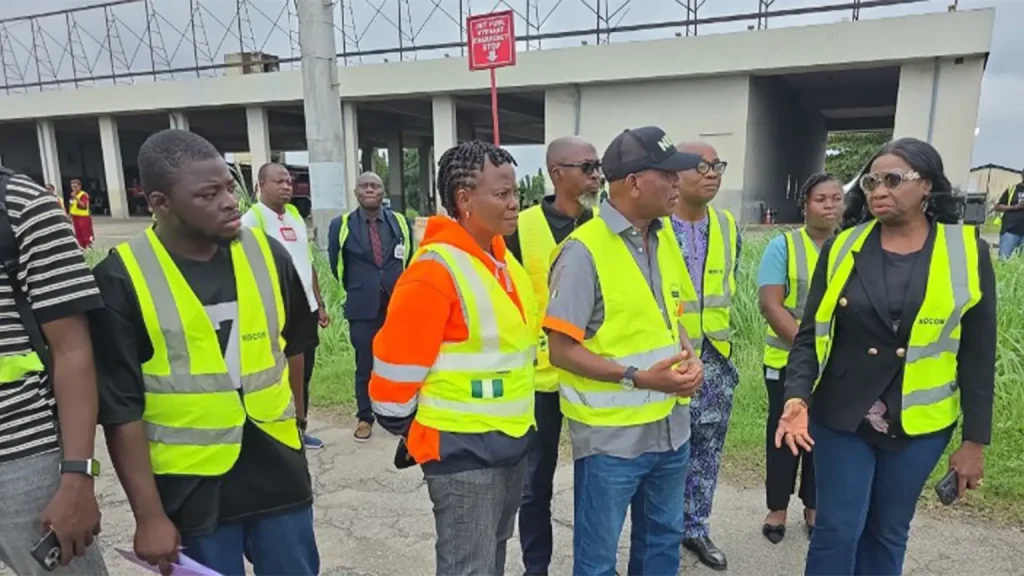
More than 150 houses destroyed and over 2,000 people displaced in the conflict between Aguleri and Umuoba Anam. But beyond the immediate destruction lies a deeper challenge: restoring homes, businesses, livelihoods and the confidence of communities to rebuild their lives.
The destruction left behind by communal violence is often measured in the number of lives lost, houses burnt and properties damaged. But for the people who must live with its consequences, the damage goes much further. It affects where families sleep, how children continue their education, whether businesses can reopen and how quickly an entire community can recover its sense of security.
This is the reality confronting residents of Aguleri and Umuoba Anam communities in Anambra East Local Government Area of Anambra State following the violent communal conflict that erupted in October 2026.
An assessment conducted by the National Emergency Management Agency (NEMA) and the Anambra State Emergency Management Agency (SEMA) on November 13 revealed that more than 150 houses were destroyed, over 2,000 residents were displaced and approximately 10 people were either killed or reported missing.
The destruction extended beyond residential buildings. Shops, factories, vehicles, tricycles and other valuable properties were also affected. A traditional ruler’s palace was reportedly razed, while businesses belonging to both indigenes and non-indigenes suffered losses.
More than a month after the violence, the affected communities had yet to return fully to normal life. Many residents remained displaced, while security personnel continued to maintain a presence in the area.
For the affected households, this is not simply a matter of returning to familiar streets. It is about rebuilding the conditions that made everyday life possible.
When Homes Are Destroyed, Livelihoods Are Disrupted
A house represents more than a physical structure. It provides security, stability and a foundation for family life. When homes are destroyed, families lose not only shelter but also possessions, personal documents, household resources and the sense of safety associated with having somewhere to return to.
For the more than 2,000 people displaced by the Anambra conflict, finding temporary accommodation is only one part of the challenge. Families must also consider how to replace lost belongings, meet daily expenses, maintain access to healthcare and education, and rebuild their livelihoods.
Children may face interruptions to their education when families relocate or schools become inaccessible. Older people, persons with disabilities and residents with existing health needs may experience additional difficulties when familiar support systems disappear.
Women and children can also face heightened vulnerabilities during displacement, particularly where access to safe accommodation, sanitation, healthcare and essential services is limited.
These consequences are often less visible than burnt buildings, but they are central to understanding the full humanitarian impact of communal conflict.
Recovery efforts must therefore consider the different needs of affected households rather than treating every displaced person as though they have experienced the crisis in the same way.
The Economic Cost Extends Beyond Destroyed Buildings
The destruction of shops, factories and other business properties introduces another dimension to the crisis: the disruption of local economic activity.
Small businesses are often closely connected to the daily survival of households and the economic stability of their communities. A shop may provide the primary income for a family. A small factory may support several workers and suppliers. A transport operator may depend on a vehicle or tricycle to earn a living.
When these assets are destroyed, the effects spread beyond their owners.
Employees may lose their jobs. Traders may lose their inventory and customers. Suppliers may lose buyers, while households that depend on daily business income may struggle to afford food, transportation, school expenses and other necessities.
The destruction of businesses owned by non-indigenes also highlights an important aspect of community economies: livelihoods are not always limited by ethnic or communal identity. People from different backgrounds may live, trade and work within the same local economy. When violence disrupts that environment, the consequences can affect everyone.
For businesses that survive the immediate conflict, reopening may still be difficult. Owners may have to replace equipment, repair premises, secure fresh inventory and find working capital, often without the income they previously relied on.
This means that rebuilding the physical structures alone may not be enough. Economic recovery must also address the ability of affected people to resume productive activities.
NEMA’s Assessment Is a Starting Point, Not the End of Recovery
Following the scale of the destruction, NEMA and SEMA conducted a joint assessment to establish the extent of the damage and identify residents requiring humanitarian assistance.
NEMA’s Head of Operations at its Enugu office, Priscilla Madukwe, said the findings would be forwarded to the Federal Government for possible intervention. She also called on traditional rulers, community leaders and other stakeholders to intensify efforts to resolve the disagreement and prevent a recurrence.
The Anambra State Government has also constituted a committee of inquiry to examine the circumstances surrounding the conflict and recommend measures to prevent future incidents.
These steps are important. An accurate assessment helps establish the scale of humanitarian needs, identify affected households and inform decisions about the support required.
However, an assessment does not automatically translate into recovery.
The next stage must involve a clear response that connects identified needs with actual assistance. This includes emergency relief for displaced households, support for rebuilding homes, access to essential services and measures that help affected businesses and workers recover.
The distinction matters because communities cannot rebuild on the strength of promises alone. They need practical interventions, clear responsibilities and sustained attention to their circumstances.
The Federal Government, state government and relevant emergency management agencies will need to work together to ensure that the assessment findings lead to appropriate support.
Rebuilding Must Include Livelihoods, Not Just Infrastructure
One of the risks in post-conflict recovery is concentrating heavily on visible damage while overlooking the economic and social systems that communities depend on.
Reconstructing houses is essential, but what happens to the people who have lost their sources of income? How will traders replace destroyed stock? What support is available to workers whose employers can no longer operate? How will children return to school, and how will families regain access to healthcare?
These questions should shape the recovery process.
For affected households, humanitarian assistance may need to include food, temporary shelter, healthcare, sanitation and other essential services. As conditions become more stable, support should extend to housing reconstruction and the restoration of basic community infrastructure.
Small businesses and informal operators may also require targeted assistance to replace equipment, restock goods and resume operations. Where appropriate, access to affordable financing, business recovery support and livelihood programmes can help prevent temporary losses from becoming long-term economic hardship.
Education and healthcare facilities must also be considered. Children should not have to bear the long-term consequences of a conflict that has already disrupted their homes and communities.
Recovery should be measured not only by the number of buildings reconstructed but also by whether families can return safely, children can continue learning and people can earn a living again.
Peacebuilding Is Essential to Sustainable Recovery
The immediate humanitarian response is only one part of the challenge. Preventing another outbreak of violence is equally important.
The Anambra State Government’s committee of inquiry is expected to examine the circumstances surrounding the crisis and recommend measures to prevent a recurrence. Local authorities have also called for dialogue, reconciliation and peaceful coexistence between the affected communities.
These efforts will require more than temporary calm.
Sustainable peace depends on addressing the underlying disagreements, strengthening channels for dialogue and ensuring that grievances can be raised and resolved without violence. Traditional institutions, community leaders, local government authorities, security agencies and civil society organisations all have roles to play.
Where disputes involve competing claims or long-standing community grievances, resolution processes must be credible, inclusive and consistent. Women, young people and other groups affected by the conflict should also have opportunities to participate in conversations about rebuilding trust and preventing future violence.
The presence of security personnel may help maintain order in the immediate aftermath, but long-term stability requires communities to have confidence in the mechanisms established to manage their differences.
Without this, reconstruction efforts risk being undermined by renewed tensions.
The Role of Businesses and Civil Society in Community Recovery
Although government has a central responsibility in emergency response and public safety, the scale of community recovery can create opportunities for responsible businesses, development organisations and civil society groups to contribute.
Companies operating in or sourcing from affected areas can support recovery through transparent, needs-based interventions. These may include contributions to rebuilding essential facilities, support for displaced households, livelihood restoration programmes and assistance to small businesses.
Financial institutions and development organisations can also explore appropriate support for viable businesses whose operations have been disrupted. Civil society organisations can help identify vulnerable households, coordinate assistance, support peacebuilding and monitor whether interventions reach the people who need them.
However, these efforts should be guided by actual community needs rather than publicity objectives. Assistance must be inclusive, accountable and coordinated with relevant authorities and local stakeholders.
There is also an important role for responsible reporting and public accountability. Communities affected by major crises should not disappear from public attention once the immediate headlines fade. Continued attention helps keep recovery needs visible and encourages stakeholders to follow through on their commitments.
Recovery Must Be Measured by What Changes for the People Affected
The Anambra communal conflict is a reminder that insecurity is not only a security concern. It is also a development challenge with consequences for housing, employment, education, healthcare, local enterprise and community stability.
The destruction of more than 150 houses and the displacement of over 2,000 residents represent a significant setback for the affected communities. Yet the real measure of recovery will emerge in what happens after the assessment teams leave.
Can displaced families return to safe homes? Can traders reopen their businesses? Can workers regain their sources of income? Can children return to school without prolonged disruption? And can both communities establish a lasting framework for peaceful coexistence?
These are the questions that should guide the next phase of intervention.
The submission of NEMA’s findings to the Federal Government and the establishment of a state committee are important steps. But they must lead to practical action, sustained support and transparent follow-through.
For Aguleri and Umuoba Anam, rebuilding cannot simply mean replacing what was destroyed. It must mean restoring livelihoods, strengthening essential services, rebuilding trust and creating conditions in which residents can live and work without fear of another outbreak of violence.
Ultimately, peace is the beginning of recovery, not its completion. A community is not fully rebuilt when the fighting stops or when damaged buildings are replaced. It is rebuilt when families regain stability, businesses can operate, children can learn and people have confidence in their future.
That is the standard against which the recovery of these communities should be measured.
[give_form id="20698"]