Can Africa’s Digital Economy Grow Without Putting Additional Pressure On Its Already Limited Energy And Water Resources?
 ONYINYECHI NWAIGBA
As artificial intelligence, cloud computing and digital services drive demand for data centers across Africa, South Africa’s expanding industry is facing questions about electricity consumption, water scarcity and environmental responsibility. The challenge is no longer just building the infrastructure to support a digital economy, but ensuring that its growth does not place an unfair burden on communities and natural resources.
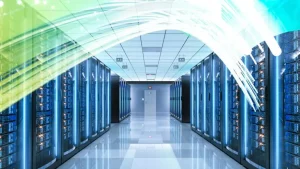
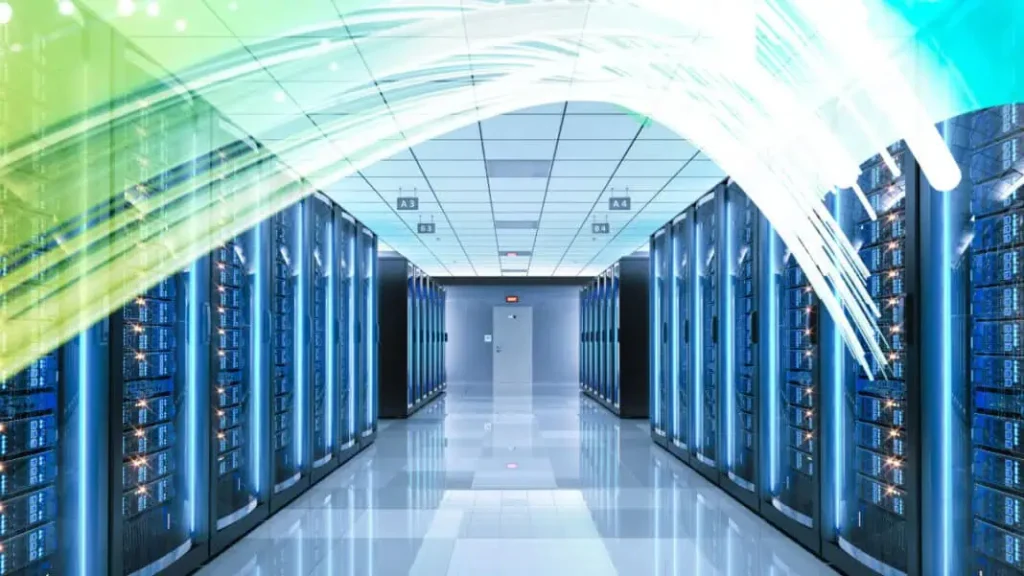
Every online transaction, video call, cloud-based application and artificial intelligence request depends on physical infrastructure. Behind the convenience of digital services are buildings filled with servers, networking equipment, cooling systems and power infrastructure that must operate continuously.
These facilities, known as data centers, have become essential to modern economies. They support banking, telecommunications, healthcare, e-commerce, government services and the growing use of artificial intelligence. As businesses and individuals become increasingly dependent on digital platforms, demand for the infrastructure that stores and processes information continues to rise.
South Africa has emerged as one of Africa’s leading data centre markets. Its position as a regional digital hub, combined with growing cloud adoption and investment from international technology companies, has encouraged the development of larger facilities and new infrastructure projects.
However, this expansion is creating an important sustainability question: how can a country grow its digital economy without increasing pressure on already constrained energy and water resources?
The debate is particularly relevant as South Africa confronts the realities of electricity infrastructure limitations, water scarcity and the environmental consequences of industrial expansion. It also offers lessons for other African countries, including Nigeria, where investments in digital infrastructure are gathering pace.
The Infrastructure Behind Africa’s Digital Ambitions
South Africa’s data centre industry has expanded significantly as demand for digital services increases.
Industry estimates cited in recent reports put the country at more than 60 active data centre facilities, with approximately 500 megawatts of combined power capacity. This reflects the scale of infrastructure already supporting the country’s digital economy, as well as the potential for further investment.
The Development Bank of Southern Africa’s Digital Infrastructure Investment Study also highlights the sector’s growth prospects. It estimated that South Africa’s data centre IT load could increase from approximately 435MW in 2024 to 829MW by 2029, driven by cloud migration, digital services and artificial intelligence adoption.
This growth has economic significance.
Data centers support financial services, telecommunications, online retail, digital payments and other industries that depend on reliable information processing. They can strengthen digital competitiveness, attract investment and provide the infrastructure needed for businesses to develop new services.
For African economies seeking to participate more actively in the global digital economy, having reliable local data infrastructure can also reduce dependence on facilities located in other regions and improve access to digital services.
However, the benefits of this expansion must be considered alongside its resource requirements. Data centers are energy-intensive facilities, and their operations depend on continuous electricity supply, effective cooling and reliable supporting infrastructure.
The more computing capacity they provide, particularly for high-density artificial intelligence workloads, the greater the need to manage these resources efficiently.
The Electricity Challenge: Digital Growth Requires Reliable Power
Electricity is one of the most significant considerations in data centre development.
Unlike many conventional commercial buildings, data centers cannot simply switch off their operations when electricity supply becomes unreliable. Their servers must remain available to support customers, applications and critical digital services.
Even a short interruption can affect financial transactions, business operations, communications and other services that depend on uninterrupted access to data.
To maintain reliability, operators invest in backup power systems, uninterruptible power supplies, batteries and other technologies that protect their facilities against disruptions.
South Africa’s electricity challenges therefore create a complicated environment for an industry that requires consistent power availability.
Although the national electricity situation has shown periods of improvement, localized grid constraints and municipal infrastructure weaknesses remain important considerations for developers.
There is also an environmental dimension. Where additional electricity demand is met through fossil-fuel-based generation, expanding data centre capacity can contribute to higher greenhouse gas emissions.
Backup generators introduce another concern. Although they are important for maintaining operations during power interruptions, frequent reliance on diesel generation can increase operational emissions and contribute to local air pollution.
This makes energy efficiency and renewable energy integration central to the industry’s sustainability strategy.
Solar power, battery storage, micro grids and long-term renewable electricity supply arrangements can help data centre operators diversify their energy sources and reduce dependence on conventional grid electricity.
Some operators in South Africa have already reported investments in renewable energy procurement and solar projects. These developments demonstrate that the industry can explore ways to support its growing electricity needs while reducing its environmental footprint.
However, renewable energy commitments must be assessed through actual energy consumption, the quantity of clean electricity supplied and measurable reductions in emissions. Simply announcing a solar project does not automatically mean that a facility operates on renewable energy.
Water Consumption: The Sustainability Question Beyond Electricity
While electricity receives considerable attention in discussions about data centre sustainability, water consumption is another important issue.
Servers generate heat during operation and require cooling systems to maintain safe operating temperatures. Depending on the technology used, these systems may consume water directly or rely on electricity-intensive cooling equipment.
Some cooling methods use water through evaporation to remove heat. Others use closed-loop systems that circulate cooling fluids and can significantly reduce direct water consumption.
The choice of cooling technology therefore matters, particularly in countries facing water stress.
South Africa is already vulnerable to water scarcity, and communities in different parts of the country continue to face challenges involving water availability, infrastructure and distribution.
This raises questions about how new industrial developments should be planned, especially when they require substantial water and electricity resources.
A 2026 submission by civil society organisations to the South African Human Rights Commission raised concerns about the potential water requirements of proposed data centre developments in Cape Town. The submission estimated that approved Equinix facilities could consume more than 4.4 billion litres of water annually under the cooling assumptions examined.
That figure is an estimate advanced by the organisations, not a verified measurement of actual consumption by operating facilities. Nevertheless, it illustrates why water requirements should be disclosed and assessed before major developments proceed.
The concerns are not limited to the volume of water used. They also involve the location of facilities, the availability of local water supplies and whether communities have meaningful opportunities to participate in decisions affecting shared resources.
For data centre operators, adopting water-efficient cooling systems, monitoring consumption and publishing reliable water-use information should become important parts of responsible operations.
The Human Rights and Corporate Accountability Debate
The sustainability conversation around data centers is increasingly moving beyond engineering and technology.
In July 2026, the South African Human Rights Commission invited submissions from communities, businesses, experts, civil society organisations and other stakeholders on the human rights implications of the country’s growing data centre industry.
The Commission identified several areas requiring attention, including electricity demand, water use, environmental impact, land use, community participation, transparency and business responsibility.
This is significant because infrastructure development does not take place in isolation. Decisions about where facilities are built, how much electricity and water they consume and how their operations affect surrounding communities can have wider social and economic implications.
For example, a large facility may attract investment and strengthen digital services, but its resource requirements could also create concerns about competition for electricity, water and land.
The issue is not that data centers should not be developed. Digital infrastructure is important to economic development, and responsible investment can deliver substantial benefits.
The question is whether the benefits, costs and responsibilities are being properly assessed and shared.
Companies operating in the sector should therefore be expected to demonstrate how they identify, prevent and manage environmental and social risks. This includes engaging affected communities, complying with environmental requirements and making relevant resource-use information available.
Corporate sustainability reporting should also move beyond general commitments. Investors, regulators and communities need reliable information about electricity consumption, renewable energy use, water efficiency, emissions and waste management.
Without transparent reporting, it becomes difficult to distinguish between companies making measurable progress and those relying primarily on sustainability claims.
Can Technology Make Data Centres More Sustainable?
The growing pressure on data centre infrastructure is encouraging investment in technologies that improve power reliability and resource efficiency.
Energy monitoring systems can help operators understand where electricity is being consumed and identify opportunities to reduce waste. Automated building management systems can coordinate cooling, ventilation and other infrastructure to improve operational performance.
Surge protection, efficient power distribution, battery storage and renewable energy integration can also help facilities maintain reliable operations while managing their energy requirements.
Cooling technology is another important area of innovation. More efficient systems, including liquid cooling and carefully managed closed-loop arrangements, can help facilities deal with the heat generated by increasingly powerful computing equipment.
These solutions can contribute to better resource management, but technology alone cannot resolve every sustainability challenge.
An efficient facility can still consume substantial amounts of electricity and water if it operates at a very large scale. Similarly, a data centre may reduce its emissions intensity while its total energy consumption continues to increase.
This distinction matters. Improvements in efficiency should be measured against both the resources used per unit of computing output and the facility’s overall environmental footprint.
The industry’s progress should therefore be judged by measurable outcomes, not simply by the number of technologies installed.
What South Africa’s Experience Means for Nigeria and Other African Markets
South Africa’s experience is particularly relevant as other African countries expand their own digital infrastructure.
Nigeria, for instance, is attracting investment in data centers as demand for cloud services, financial technology, telecommunications and artificial intelligence increases.
However, the country’s electricity challenges make reliable and affordable power a major consideration for operators.
Data centre developers must often consider a combination of grid supply, backup generation, batteries and alternative energy arrangements to maintain operations.
As the industry expands, this creates an opportunity to make sustainability part of infrastructure planning from the beginning rather than treating it as an issue to address after facilities become operational.
Nigeria and other emerging markets can learn from South Africa’s ongoing debate by strengthening environmental assessments, encouraging renewable energy integration, promoting water-efficient cooling and establishing clearer expectations for corporate disclosure.
Governments also have a role to play in ensuring that infrastructure approvals consider local electricity and water capacity, community interests and long-term environmental consequences.
The objective should be to attract investment while ensuring that digital development contributes to broader economic and social progress.
Data centers should not become isolated investment projects whose benefits are concentrated among operators and technology companies while surrounding communities bear disproportionate environmental costs.
Building a Digital Economy That Is Also Sustainable
Africa’s digital future will require significant investment in infrastructure. Artificial intelligence, cloud computing, digital banking and other technologies cannot develop at scale without facilities capable of processing and storing increasing volumes of information.
South Africa’s data centre expansion demonstrates the economic opportunities associated with this transition. It also highlights the importance of asking difficult questions about the resources required to sustain it.
Reliable electricity, efficient cooling, renewable energy, responsible water management and transparent corporate reporting must be treated as essential components of digital infrastructure development.
For businesses, sustainability should influence decisions from the design and construction of facilities to their daily operations and eventual upgrades. For governments, regulation and public oversight should ensure that infrastructure expansion takes account of environmental limits and community interests.
For investors, resource efficiency and responsible governance should form part of how digital infrastructure projects are assessed.
Ultimately, the success of Africa’s digital transformation should not be measured only by the number of data centers built, the computing capacity installed or the amount of investment attracted.
It should also be measured by the quality of infrastructure created, the economic opportunities generated, the resources consumed and the environmental consequences managed.
Africa needs a stronger digital economy, but it also needs one that is built responsibly. The real test of progress will be whether the continent can expand its technological capabilities without compromising the energy, water and environmental resources on which its people and future development depend.
DON’T JUST ANNOUNCE YOUR IMPACT. PROVE IT.
CSR REPORTERS helps organisations verify, assess, document and communicate the real impact of their CSR and sustainability initiatives.
Project Verification | Beneficiary Feedback | Impact Assessment | Impact Storytelling | Stakeholder Engagement
Have an initiative worth documenting? Let us verify it. Document it. Tell the story.
Talk to CSR REPORTERS
enquiries@csrreporters.com
📞 Call/WhatsApp: 0803 401 2198 | 0903 329 6374 | 0905 024 4468 | 0803 209 8499
www.csrreporters.com