Lagos Plans China Business Mission: Can Local Businesses Turn International Exposure into Export Success?
 ONYINYECHI NWAIGBA
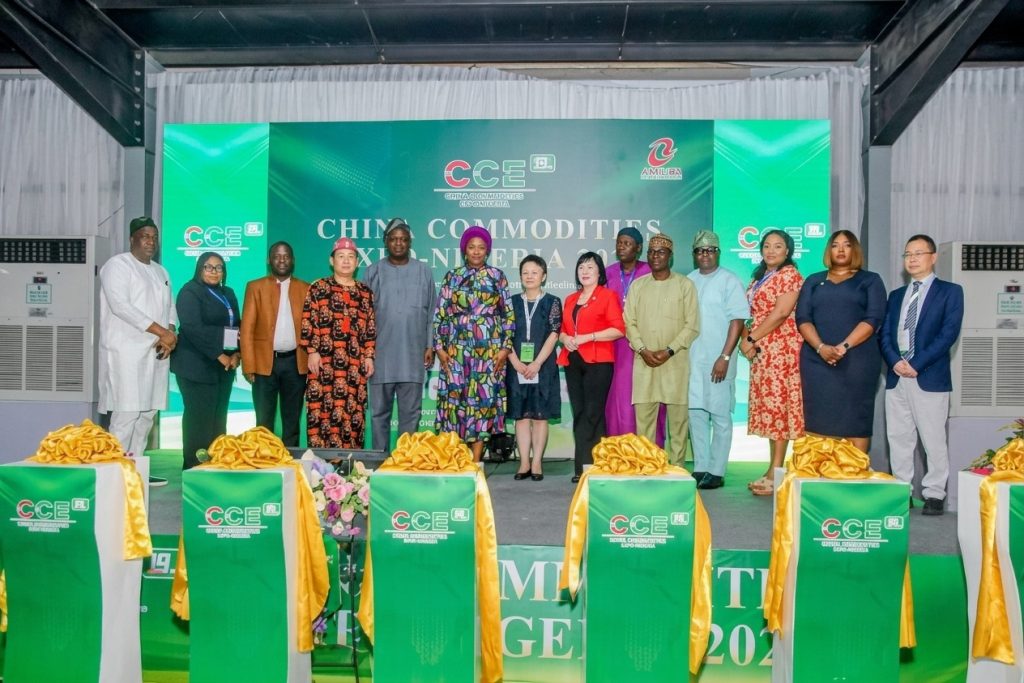
The proposed trade mission is part of Lagos State’s effort to help local businesses access international markets. But beyond introductions and business meetings, the real test will be whether entrepreneurs can secure buyers, meet export standards, increase production and create sustainable jobs.
For many Nigerian business owners, expanding beyond the domestic market is an attractive ambition. Reaching international customers could mean more sales, stronger business relationships, increased production and opportunities to compete in markets beyond Nigeria.
Yet, for many small and growing businesses, the journey from producing goods locally to exporting them internationally is far from straightforward.
Meeting international quality standards, obtaining certifications, navigating customs procedures, securing reliable financing and managing shipping costs can become significant barriers.
It is against this background that the Lagos State Government has announced plans to lead a delegation of local businesses to China to explore export opportunities and establish international partnerships.
The announcement was made by the Commissioner for Commerce, Cooperatives, Trade and Investment, Folashade Ambrose-Medebem, at the closing ceremony of the 40th Lagos International Trade Fair held at Tafawa Balewa Square, Lagos.
The proposed visit will take place under the Lagos State Export Readiness Programme, which is intended to help local businesses prepare for opportunities in international markets.
The announcement also forms part of the state’s broader ambition to strengthen local industries, promote manufacturing and move Lagos beyond its traditional position as a major centre for buying and selling.
However, the success of the initiative will depend on what participating businesses are able to achieve after the international engagements.
Why Lagos wants local businesses looking beyond Nigeria
Lagos is one of Nigeria’s most important commercial and industrial centers, with businesses operating across manufacturing, agriculture, fashion, food processing, technology and the creative industries.
Despite this economic activity, many local enterprises remain largely dependent on domestic customers.
Expanding into international markets could provide an opportunity to increase demand, diversify revenue sources and reduce dependence on the purchasing power of local consumers.
For manufacturers, exporting could also encourage improvements in production processes, product quality, packaging and business management.
The proposed China mission is intended to support this transition by exposing selected businesses to international commercial opportunities and potential partners.
China is particularly relevant because of its position in global manufacturing, industrial technology and international trade. Engagement with Chinese businesses could create opportunities for Nigerian entrepreneurs to explore distribution arrangements, manufacturing partnerships, technology access and other commercial relationships.
However, the value of such engagements will depend on whether they produce practical outcomes for Nigerian businesses.
An introduction to a potential buyer is useful, but it does not automatically translate into an export contract. Businesses must still demonstrate that they can produce goods consistently, meet the buyer’s specifications, negotiate commercially viable terms and deliver orders on time.
More than 2,000 businesses have received export-readiness training
One important detail behind the proposed mission is that Lagos has already been working to improve the export capacity of local enterprises.
According to Ambrose-Medebem, more than 2,000 Lagos-based small businesses have received export-readiness and market-access training through partnerships involving the state government, the African Export-Import Bank and other organisations.
The training is intended to prepare businesses for opportunities under the African Continental Free Trade Area (AfCFTA), which seeks to improve trade among African countries.
This is significant because export readiness involves much more than identifying an overseas customer.
Businesses must understand the regulations governing their products, prepare the necessary documentation, meet relevant standards and ensure their production capacity can support larger orders.
For an agribusiness, this could involve food safety requirements, product traceability, packaging and processing standards.
For a fashion or manufacturing business, it could involve consistency in product quality, production capacity, labeling and the ability to meet delivery schedules.
These requirements can be particularly difficult for smaller enterprises that operate with limited capital, basic equipment or informal production systems.
The training programme is therefore an important foundation. However, the next question is how many of the businesses trained are now actively exporting, what markets they have entered and what additional support they need to secure international orders.
Publishing these outcomes would help demonstrate whether export-readiness initiatives are translating into measurable business growth.
What Nigerian businesses could gain from China
China offers opportunities beyond simply finding customers for Nigerian products.
For some businesses, international engagement could open access to distributors and retailers interested in sourcing products from Nigeria.
Others may benefit from technology partnerships, equipment sourcing, technical knowledge and manufacturing arrangements that improve local production.
For example, an agricultural processor could explore opportunities to improve processing capacity and product preservation. A fashion business could investigate new production technologies, while a manufacturer could identify machinery or technical partnerships that improve efficiency.
There may also be opportunities for Nigerian businesses to learn how products are developed, packaged, priced and positioned for international consumers.
However, these opportunities must be approached strategically.
Nigeria should not measure the success of international trade missions only by the number of businesses that travel or meetings held with foreign companies.
The more important questions are whether businesses secure credible buyers, enter new markets, attract investment, improve production and create employment.
There must also be a clear focus on ensuring that international partnerships strengthen local productive capacity rather than simply increasing dependence on imported finished goods.
The challenges that could limit export success
Even when businesses identify international buyers, several obstacles can prevent them from converting interest into actual sales.
The first is access to finance.
Producing goods for export often requires businesses to purchase raw materials in larger quantities, upgrade equipment, improve packaging, obtain certifications and cover transportation expenses before receiving payment.
For small businesses with limited working capital, these costs can be difficult to manage.
The second challenge is product quality and standardization.
International markets have requirements that vary depending on the product and destination. Businesses may need to meet specific safety, labeling, technical or environmental standards before their products can be accepted.
Without adequate preparation, Nigerian entrepreneurs could establish promising contacts in China but struggle to meet the requirements of potential buyers.
Production capacity is another concern. A business that can supply 100 units to the domestic market may not necessarily be able to fulfill an order for several thousand units within an agreed time frame.
Reliable electricity, access to machinery, skilled workers, raw materials and efficient logistics all influence whether businesses can scale production.
There is also the question of export logistics. Shipping costs, customs procedures, documentation and delivery timelines can affect the competitiveness of Nigerian products.
These challenges show why international exposure must be accompanied by practical support at home.
Why the initiative matters for jobs and local economic development
The potential benefits of stronger export participation extend beyond individual business owners.
When local enterprises expand their markets, they may need to increase production, employ additional workers, engage more suppliers and invest in better equipment.
For example, an agribusiness that secures a larger export market may need more farmers, processors, packaging workers, warehouse operators and transport services.
A fashion manufacturer expanding production could create additional opportunities for tailors, designers, textile suppliers and distribution businesses.
This is how export growth can contribute to wider economic development.
However, these outcomes are not automatic. They depend on businesses securing sustainable orders and having the resources to fulfill them profitably.
For Lagos, the proposed mission could therefore support a broader economic objective: encouraging businesses to move from small-scale trading towards production, value addition and stronger participation in regional and global supply chains.
The state has also announced plans to host the Intra-African Trade Fair from November 5 to 11, 2027, creating another platform for businesses to showcase products, meet investors and explore cross-border trade opportunities.
Together, these initiatives point towards an effort to strengthen Lagos as a centre for manufacturing, investment and international commerce.
What should happen after the China mission?
For the proposed initiative to deliver lasting value, the government will need to provide clarity on how businesses will participate and what support they will receive.
The departure date, selection criteria, participating sectors and business eligibility requirements have not yet been publicly detailed.
It will also be important to explain whether the mission will prioritize companies that are already export-ready or include businesses that need further preparation.
A transparent selection process would help ensure that opportunities reach businesses with credible products and realistic growth potential.
More importantly, support should not end when the delegation returns.
Businesses may need assistance with export documentation, certification, financing, buyer negotiations, logistics and follow-up meetings. Without this continued support, relationships established during the trip could fail to develop into lasting commercial arrangements.
The state could also publish information on participating businesses, partnerships established, export orders secured and jobs created.
Such reporting would help entrepreneurs understand the practical benefits of the programme while allowing the public to assess how government-backed trade initiatives are performing.
From international exposure to measurable economic results
Lagos has identified an important opportunity in helping local businesses access international markets. Its existing export-readiness training and proposed engagement with China suggest an effort to move beyond local commerce towards a more export-oriented economy.
But international exposure is only the beginning.
For Nigerian businesses, the real opportunity lies in building the capacity to compete, produce consistently, meet international standards and deliver products that customers abroad are willing to buy.
For government, the responsibility is to ensure that trade missions are supported by policies and practical interventions that address the barriers entrepreneurs face at home.
Ultimately, the success of the China mission should not be measured by the number of business owners who travel overseas or the number of meetings held.
It should be measured by the markets they enter, the orders they secure, the businesses they grow and the jobs they create.
That is when international exposure becomes meaningful economic development.
DON’T JUST ANNOUNCE YOUR IMPACT. PROVE IT.
CSR REPORTERS helps organisations verify, assess, document and communicate the real impact of their CSR and sustainability initiatives.
Project Verification | Beneficiary Feedback | Impact Assessment | Impact Storytelling | Stakeholder Engagement
Have an initiative worth documenting? Let us verify it. Document it. Tell the story.
Talk to CSR REPORTERS
enquiries@csrreporters.com
📞 Call/WhatsApp: 0803 401 2198 | 0903 329 6374 | 0905 024 4468 | 0803 209 8499
www.csrreporters.com