


 csrreporters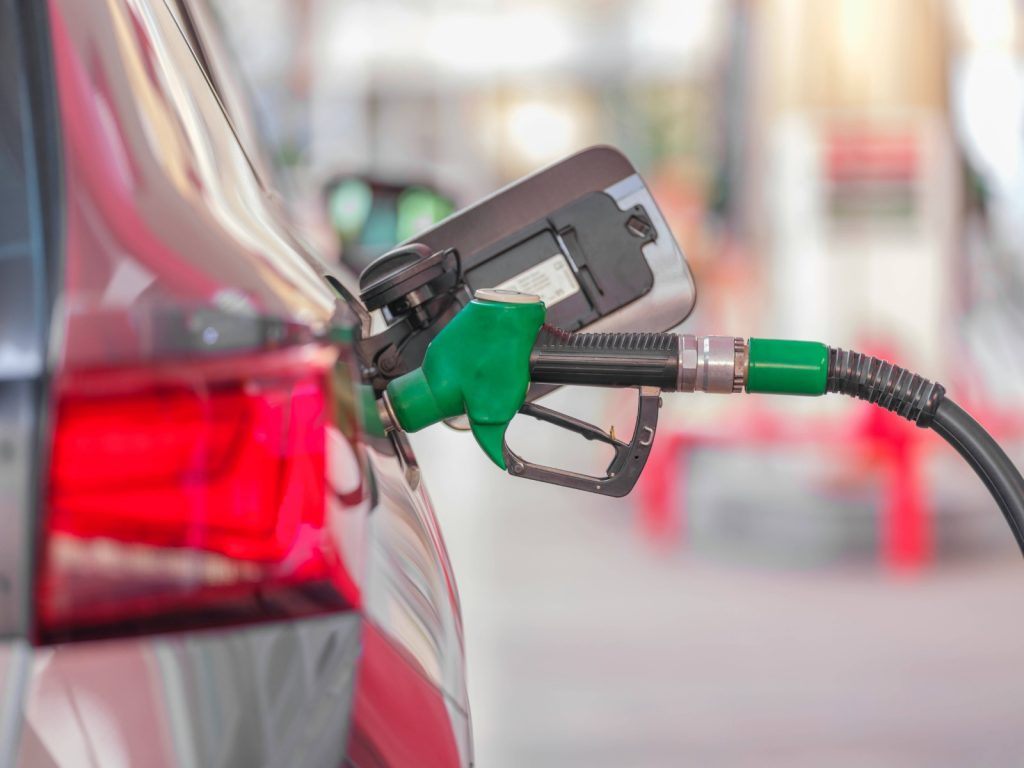
Fuel pricing across Africa is entering a more complex phase
Across Africa, fuel affordability remains a defining economic feature, with several countries maintaining some of the lowest petrol prices globally. In a march 2026 ranking from GlobalPetrolPrices, Libya leads the ranking at about $0.024 per litre, followed by Angola, Algeria, and Egypt, where domestic production and subsidy frameworks continue to shape pricing.
In addition, countries such as Sudan, Ethiopia, and Liberia appear among the lowest-cost markets despite limited oil production. This trend suggests that policy decisions, rather than resource advantage alone, play a central role in determining pump prices.
Notably, nine out of the top ten countries record fuel prices below $1 per litre. Only the Democratic Republic of Congo exceeds that level, reflecting broader structural differences in refining capacity and import dependence.
However, while these figures point to widespread affordability, they also raise questions about long-term sustainability. In many cases, governments absorb significant costs to maintain these price levels. As a result, the true economic impact often extends beyond what consumers see at the pump.
Cheap Fuel, Costly Trade-Offs
Across the continent, low petrol prices are frequently driven by subsidies and state intervention rather than market efficiency. While this approach offers immediate relief, it often creates deeper fiscal and structural challenges over time.
Subsidies, for instance, can place sustained pressure on public finances. Funds that could support infrastructure, healthcare, or education instead go toward maintaining fuel affordability. Moreover, artificially low prices tend to encourage overconsumption and reduce incentives for energy efficiency.
In some context, the consequences go further. Libya provides a notable example where subsidized fuel has become a target for smuggling networks. As a result, large volumes of fuel are diverted into informal markets, weakening state revenue and complicating governance structures.
Therefore, while cheap fuel may appear beneficial in the short term, it often introduces distortions that are difficult to sustain.
Pricing Adjustments Reflect Market Realities
Recent fuel price adjustments in countries such as Liberia highlight the pressures facing governments attempting to balance affordability with supply stability. Authorities have pointed to global oil market fluctuations, exchange rate movements, and supply chain disruptions as key drivers of these decisions.
Although such adjustments can lead to short-term increases in living costs, countries often frame them as necessary to prevent shortages and maintain consistent supply. In addition, stronger regulatory oversight is typically introduced to limit hoarding and price manipulation during transition periods.
Consequently, these developments reflect a broader shift across parts of Africa, where maintaining artificially low prices is becoming more difficult under current global conditions.
Nigeria’s Middle Ground
Nigeria represents a transitional case within this landscape. While still ranking among relatively affordable fuel markets, the country has taken steps to reduce subsidy exposure and align prices more closely with market conditions.
As a result, exchange rates and international oil trends increasingly influence petrol pricing. This shift has helped ease fiscal pressure, yet it has also contributed to higher transport and production costs domestically.
At the same time, the policy direction signals a gradual move toward transparency and efficiency in the energy sector. However, the balance remains complex, as rising costs continue to affect households and businesses.
Inflation, Competitiveness, and Economic Signals
Fuel pricing continues to play a central role in shaping economic outcomes across Africa. Lower fuel costs can help stabilize inflation by reducing transportation and logistics expenses. In turn, this supports more predictable pricing for essential goods and services.
Additionally, affordable energy enhances industrial competitiveness. Key sectors such as manufacturing, agriculture, and logistics rely heavily on fuel to sustain operations. Therefore, stable pricing environments can improve productivity and attract investment.
However, when affordability is driven by subsidies, these benefits may not be sustainable. Over time, fiscal strain can weaken economic resilience and create vulnerabilities within the system.
The Shift Toward Sustainable Energy Pathways
The ongoing tension between affordability and sustainability is gradually reshaping energy conversations across the continent. As global markets remain volatile, reliance on subsidized fossil fuels is increasingly viewed as a short-term solution.
Consequently, attention is shifting toward renewable energy sources such as solar and wind. Although initial costs remain a barrier, these alternatives offer long-term advantages, including reduced dependence on imports and improved energy security.
Across Africa, early adoption efforts are already underway. While progress differs by country, there is growing recognition that diversification is essential for long-term stability.
Corporate Responsibility
Within this evolving landscape, businesses are also adjusting their approach to energy use and cost management. Energy efficiency, supply stability and long-term risk considerations increasingly influence operational decisions.
In Nigeria, these shifts are becoming more visible. As pricing reforms continue, organizations are exploring alternative energy options and efficiency measures to manage rising costs. While primarily driven by economic factors, these efforts also align with broader environmental and governance considerations.
What Comes Next for Fuel Pricing
Fuel pricing across Africa is entering a more complex phase. While low prices have historically provided relief, the long-term costs of subsidies are becoming more apparent.
As a result, governments are likely to adopt more balanced strategies that combine gradual pricing reforms with targeted support measures. At the same time, investment in alternative energy sources is expected to increase as part of a broader transition.
Ultimately, the focus is shifting from short-term affordability to long-term sustainability. In doing so, African economies may begin to redefine how energy pricing supports both growth and stability.
Energy pricing is only one part of a bigger story. At CSR Reporters, we explore what it means for businesses, communities, and long-term sustainability across Africa. Stay connected for more.
[give_form id="20698"]