csrreporters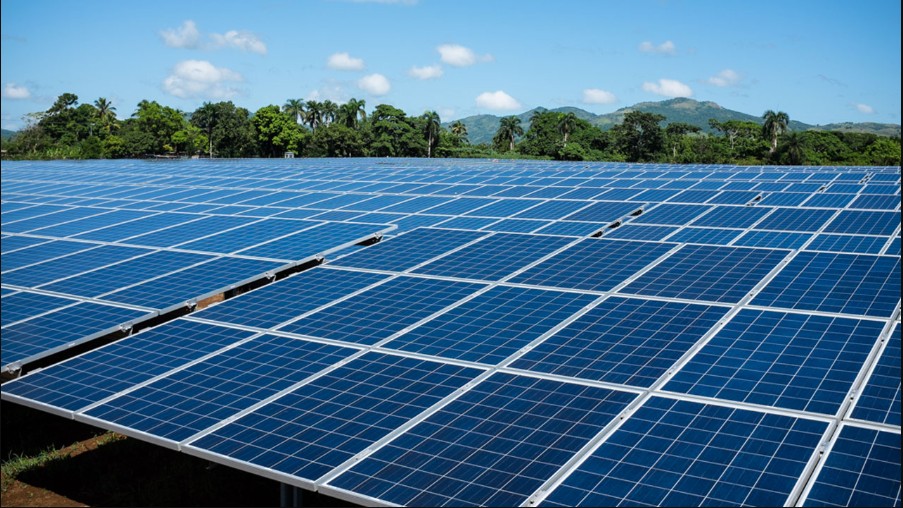
Adopting renewable energy for sustainable future
For years, Nigerian businesses have relied on diesel the way we rely on garri as the ultimate survival backup. Whether you are running a bank branch in Aba, a factory in Agbara, or a hotel in Port Harcourt, you cannot talk about “operations” without talking about the generator. It hums in the background as if it is the country’s heartbeat – very constant, noisy, expensive, but dependable.
Yet, the world is shifting, and the hum of diesel generators is slowly becoming the sound of yesterday. The new sound? Quieter, cleaner, and smarter is the whirr of solar panels, the hum of inverters, and the language of sustainability.
Make no mistake, the green transition is not just for oil companies or climate activists anymore, it is now a business survival strategy. Nigerian companies are beginning to realize that sustainability is not some foreign fad but rather a way to cut costs, future-proof operations, and build credibility in a world that’s watching carbon footprints closely. The banking sector, for instance, has taken the lead. Access Bank, GTCO, and Sterling Bank have all begun transitioning many of their branches to solar energy. For them, it is not just about “going green,” it is about cutting millions off annual diesel budgets and aligning with global ESG expectations that determine how investors perceive them.
In the manufacturing space, take a look at Dangote Cement’s commitment to alternative fuels or Nigerian Breweries’ drive toward biomass and solar energy integration. Even smaller FMCG brands in Aba are quietly adopting solar hybrid systems because the cost of diesel has become almost unbearable. In Uyo and Enugu, some hotels and eateries have started with modest setups, rooftop solar panels that run their freezers and POS systems during the day and while it might seem small, it’s a step toward independence from the black-gold addiction that keeps Nigerian businesses hostage.
Transitioning, however, takes guidance. This is where the concept of a Green Transition Partner becomes crucial. Nigerian businesses often know what they want, cheaper power, better reliability but not how to get there sustainably. A true green partner helps you assess your energy footprint, map out renewable alternatives, and connect you with financing models that make sense. For instance, firms like Rensource Energy or Starsight Energy are already helping SMEs and corporates deploy solar infrastructure without massive upfront costs through power purchase agreements. Imagine running your operations on solar while paying gradually, just as you would with diesel, but cleaner and cheaper long-term.
But beyond technology, the green transition is about mindset. Nigerian professionals must begin to see sustainability as innovation, not inconvenience. The country’s growing youth population, tech-driven, ambitious, and restless is already tuned to this shift. Startups like Arnergy and Havenhill Synergy are proving that clean energy is both an environmental gesture and an economic opportunity. In Lagos and Kano, farmers are now using solar-powered irrigation pumps; in Bayelsa, women-led cooperatives are drying fish with solar dryers instead of firewood, reducing smoke inhalation and deforestation. These are local climate solutions with national implications.
For businesses, embracing the green transition also means signaling seriousness to global investors. More and more multinational partners are screening Nigerian firms through an ESG lens not just profit, but purpose. When a company can show that it’s cutting emissions, improving efficiency, and aligning with Nigeria’s renewable energy roadmap, it earns not only respect but access to sustainable financing.
And let’s be real with Nigeria’s erratic grid and the rising cost of fuel, this is not just about saving the planet. It’s about saving your bottom line. Every CFO who has reviewed a monthly diesel expense knows that this conversation is no longer philosophical.
So perhaps the real question Nigerian businesses should ask is no longer “Can we afford to go green?” but “Can we afford not to?” The companies that will dominate Nigeria’s next decade will be those that find smarter, cleaner, and more efficient ways to power their operations. Those who still depend solely on generators may find themselves out of step with both global trends and local realities.
The future of Nigerian business is renewable. The companies that realize this early enough shall thrive.