


 csrreporters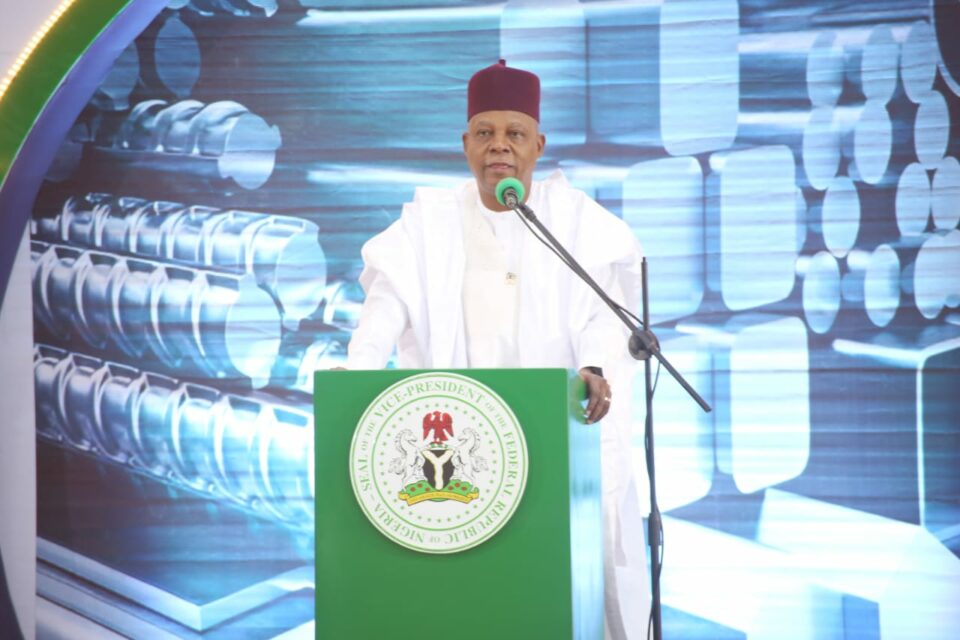
Nigeria is taking a decisive leap to transform its agricultural sector, unveiling a series of bold reforms and incentives aimed at creating 21 million jobs, combating hunger, and positioning the nation as a self-sustaining agri-powerhouse.
Unveiled at the FAO’s Hand-in-Hand Investment Forum in Abuja, the wide ranging measures focus on expanding irrigation, improving access to credit, scaling mechanisation, and unlocking rural wealth core elements of President Bola Tinubu’s economic blueprint.
Vice President Kashim Shettima, who delivered the keynote, called hunger “the great equaliser,” stressing that food security is now a matter of national survival.
“Strategic investment in irrigation alone could triple our yields and free us from seasonal dependency,” he declared. “This is not just about agriculture; it’s about economic liberation for millions.”
At the heart of the plan are practical tools to break decades-long barriers in agriculture:
A single-window platform for land registration. A revamped agricultural credit system, Large-scale mechanisation, Strategic irrigation projects, and, a commitment to attract private sector investment.
Nigeria currently uses less than 10% of its irrigation potential a gap the government aims to close quickly to weather climate shocks and drive all-season farming.
The reform package supports the 2021–2025 National Development Plan, which targets lifting 35 million people out of poverty and transforming rural communities into economic hubs.
Backing the vision, Agriculture Minister Abubakar Kyari described Nigeria’s vast arable land and digital growth as major investment magnets. Budget Minister Atiku Bagudu added that the untapped potential of agribusiness could unlock lasting economic diversification.
Regional partners echoed support. The Gambian Minister of Agriculture, Dr. Demba Sabally, hailed Nigeria’s leadership, particularly in the rice and cassava value chains. The EU Delegation Head, Mr. Gautier Mignot, reaffirmed Europe’s partnership with a fresh €80 million investment across seven Nigerian states.
FAO Representative Dr. Hussein Gadain praised Shettima’s leadership, describing it as “visionary” and “crucial to attracting investment and driving innovation.”
However, while the plan has stirred optimism, farmers are demanding delivery, not declarations.
Kabir Kebram, National President of the All Farmers Association of Nigeria, stressed:
“Policies mean nothing without implementation. We need to see these promises turn into action—quickly.”
Peter Dama, Chair of the Competitive African Rice Forum, echoed that sentiment, “We’ve heard promises before, Let’s see tractors on farms, not just words in speeches.”
The message is clear: Nigeria’s path to agricultural transformation is bold but must be backed by visible, urgent, and sustained action. The time for talk is over now is the moment to till, irrigate, and deliver.
[give_form id="20698"]