

 csrreporters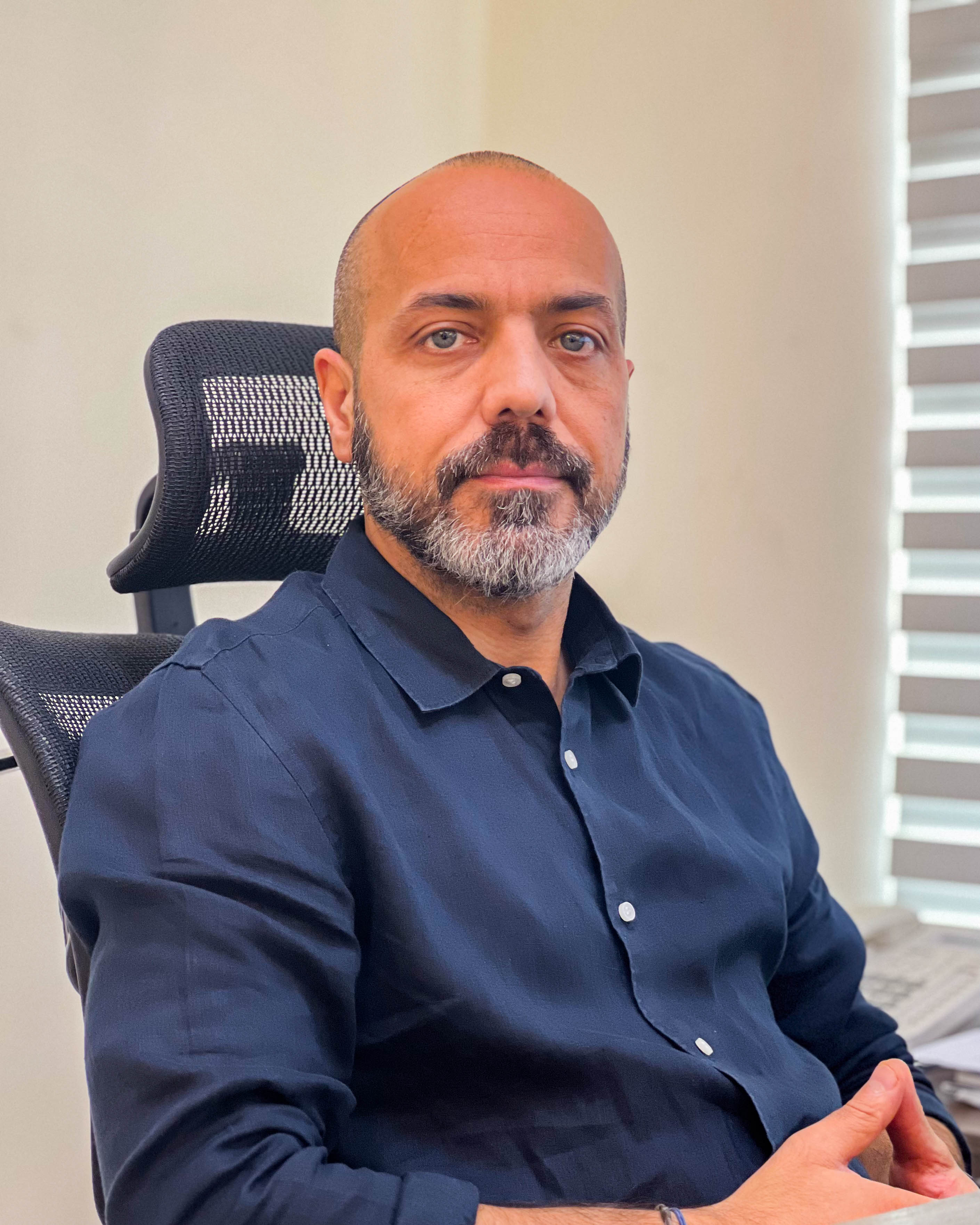
Rabi Jammal, Chief Commercial Officer at JMG
In 2025, JMG Limited’s CSR initiatives brought meaningful change across Nigeria, powering healthcare centres, supporting orphanages, championing inclusion for children with autism, standing with children battling cancer and empowering children living with autism. These efforts reflected a clear philosophy: corporate excellence is measured not only by projects delivered but by lives uplifted.
In this interview, Rabi Jammal, Chief Commercial Officer at JMG, reflects on the impact of 2025 and shares how the company is shaping its CSR vision for 2026 and beyond.
Q1. 2025 was described as a year of meaningful change for JMG. What stands out most to you about the company’s CSR impact?
Rabi Jammal:
What stands out is the breadth of lives touched. From powering healthcare centres to supporting orphanages and partnering with foundations for children battling cancer or living with autism, each initiative reflected our belief that corporate excellence is measured by lives uplifted. It was a year where compassion guided action.
Q2. Healthcare was a major focus in 2025. Why did JMG prioritize energy access for medical facilities?
Rabi Jammal:
Reliable power is essential to health, dignity, and progress. In 2025, we installed a solar hybrid system at Agboyi-Ketu Primary Health Care Centre, ensuring uninterrupted electricity for life‑saving services. That project showed how our expertise in energy can directly strengthen public health delivery.
Q3. Beyond healthcare, JMG supported orphanages and vulnerable children. What was the impact of those initiatives?
Rabi Jammal:
Our visits to orphanages in Lagos were about more than donations; they were about presence and connection. Supporting children battling cancer and empowering those with autism through partnerships also reinforced our commitment to inclusion. These efforts gave hope, built confidence, and reminded us that every child deserves opportunity.
Q4. Environmental responsibility also featured in 2025. How did JMG approach sustainability?
Rabi Jammal:
On World Clean‑Up Day, our executives and staff joined the community in tackling textile waste in Gbagada. It was symbolic of our broader sustainability drive, solar installations at our headquarters, renewable energy solutions for communities, and clean power for essential services. We want people to see sustainability as a shared duty.
Q5. How does CSR align with JMG’s corporate philosophy?
Rabi Jammal:
CSR is not separate from our business—it is an extension of our values. We build power solutions professionally, and we extend that same expertise to empower communities responsibly. For us, success is measured not only by projects delivered but by lives impacted.
Q6. Looking ahead, what is JMG’s CSR vision for 2026 and beyond?
Rabi Jammal:
Building on the progress of 2025, our vision is to scale impact by developing replicable models of community engagement initiatives. We aim to serve as a catalyst for inclusive energy development across Nigeria—bridging gaps, empowering communities, and ensuring that reliable power becomes a right enjoyed by all, not a privilege reserved for a few.
Q7. What message would you like stakeholders to take from JMG’s CSR journey?
Rabi Jammal:
Our message is simple: For JMG, empowerment is not a short‑term initiative, it is a long‑term responsibility. The 2025 report reflects more than completed projects; it reflects lives transformed. We encourage stakeholders to join us in advancing inclusive energy access, because meaningful change is only possible when we act together.
[give_form id="20698"]