


Building Sustainable Housing for Nigeria’s Future on a Foundation of Growth and Resilience
 csrreporters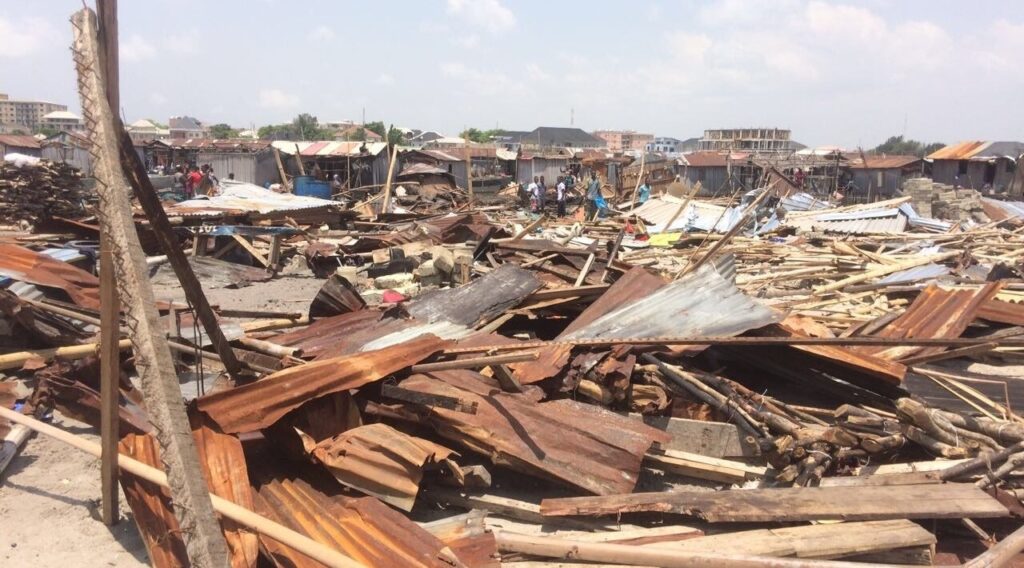
Nigeria’s housing challenge is more than a shelter problem, it is a strategic issue that intersects economic growth, social equity, and environmental sustainability. Experts emphasise that decent, affordable, and climate-resilient housing can drive poverty reduction, create jobs, and strengthen communities, positioning it as a cornerstone of sustainable development.
With a housing deficit estimated between 17 and 28 million units, most newly built homes cater to middle and upper income Nigerians, leaving low income earners reliant on overcrowded informal settlements. Meanwhile, floods, poor ventilation, and inadequate infrastructure expose millions to climate-related and health risks, deepening vulnerability.
Specialists argue that housing should be treated as infrastructure, not charity, linking shelter with education, healthcare, and economic opportunities. Upgrading informal settlements in-situ, rather than demolishing them, can transform them into productive communities while preserving livelihoods. Incorporating climate smart designs, local materials, and energy-efficient solutions ensures homes are both affordable and resilient to environmental shocks.
Experts also highlight governance reforms as critical digitised land registries, predictable approvals, and Public Private Community Partnerships (PPCPs) are needed to deliver housing at scale. Housing cooperatives, microfinance for incremental building, and rent to own schemes can expand access for informal sector workers excluded from conventional mortgages.
Placing sustainable housing at the center of Nigeria’s development agenda creates a multiplier effect: improved health, enhanced education, economic empowerment, and climate resilience. Decent homes are more than structures,they are engines for national growth, social stability, and inclusive prosperity.
By treating housing as a strategic development tool, Nigeria can turn its urban and rural housing challenges into opportunities for equitable and sustainable progress.
[give_form id="20698"]