csrreporters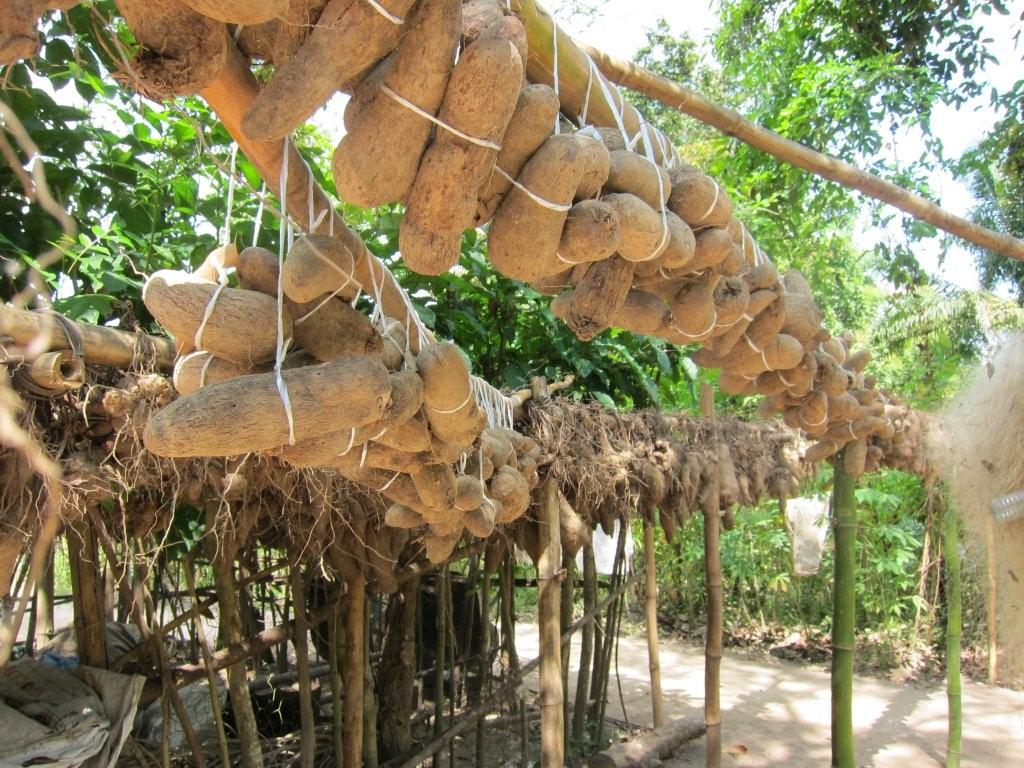
The International Institute of Tropical Agriculture (IITA) has launched a yam seed training programme aimed at strengthening local yam production and improving food security in Cross River State.
The initiative is designed to equip farmers and seed entrepreneurs with the technical knowledge required to produce high-quality yam seeds, improve yields, and enhance agricultural value chains within the region.
The programme reflects ongoing efforts to strengthen Nigeria’s food systems by focusing on improved seed quality, agricultural innovation, and farmer capacity development.
Strengthening Nigeria’s Yam Value Chain
Yam is one of Nigeria’s most important staple crops, both for domestic consumption and commercial trade. However, productivity challenges such as low-quality seed yams, disease susceptibility, and inefficient farming practices continue to limit output.
The new training programme aims to address these challenges by improving access to quality planting materials and modern seed production techniques.
Participants will be trained on best practices in:
- Seed yam production and certification
- Disease management and prevention
- Improved storage and handling techniques
- Climate-resilient farming practices
- Efficient land and resource use
By strengthening seed systems, the initiative seeks to enhance productivity across the entire yam value chain.
Supporting Local Farmers and Seed Entrepreneurs
A key focus of the programme is empowering local farmers and agricultural entrepreneurs.
By building capacity at the grassroots level, the initiative is expected to:
- Increase farmer income through improved yields
- Strengthen local seed supply systems
- Reduce dependency on informal or low-quality seed sources
- Promote agribusiness development in rural communities
This approach aligns with broader agricultural development goals that emphasise inclusive growth and rural economic empowerment.
For many smallholder farmers, access to training and quality seeds remains a major barrier to productivity. Programmes like this help bridge that gap by combining technical knowledge with practical farming solutions.
Agricultural Innovation and Food Security
Nigeria continues to face food security challenges driven by rising population, climate change, and inefficiencies in agricultural production systems.
Improving seed quality is widely recognised as one of the most effective ways to increase crop yield and resilience.
High-quality seed systems contribute to:
- Higher agricultural productivity
- Improved resistance to pests and diseases
- Better adaptation to climate variability
- Reduced post-harvest losses
By focusing on yam, a major staple crop, the initiative directly supports efforts to strengthen national food security.
The Role of Research and Development in Agriculture
The involvement of IITA highlights the importance of research-driven agriculture in addressing food production challenges.
Research institutions play a critical role in:
- Developing improved crop varieties
- Providing technical training for farmers
- Supporting agricultural innovation
- Strengthening extension services
Through programmes like this, research outcomes are translated into practical solutions that farmers can apply directly in the field.
This connection between science and agriculture is essential for building resilient food systems in developing economies.
Climate Change and the Need for Resilient Farming Systems
Agriculture in Nigeria is increasingly affected by climate variability, including unpredictable rainfall patterns, soil degradation, and rising temperatures.
These challenges make it more important to adopt climate-smart agricultural practices.
The yam seed training programme incorporates elements of resilience by promoting:
- Climate-adapted farming techniques
- Sustainable land use practices
- Improved seed varieties with higher resistance
- Efficient resource management
Such approaches help farmers adapt to changing environmental conditions while maintaining productivity.
Economic Impact and Rural Development
Beyond food production, agriculture remains a major driver of rural employment and economic activity in Nigeria.
Strengthening yam production systems has the potential to:
- Create more agribusiness opportunities
- Support rural livelihoods
- Improve food supply chains
- Encourage youth participation in agriculture
By improving productivity and seed quality, farmers can generate higher income and reduce post-harvest losses, which often significantly affect profitability.
This contributes to broader rural development goals and economic inclusion.
Towards a Stronger Agricultural Ecosystem
The yam seed training programme represents part of a larger effort to build a more efficient and sustainable agricultural ecosystem in Nigeria.
Key priorities include:
- Improved seed systems
- Stronger farmer training networks
- Better access to agricultural inputs
- Enhanced research and extension collaboration
These elements are essential for transforming agriculture from subsistence-based practices into a more productive and commercially viable sector.
Conclusion
The launch of the yam seed training programme in Cross River State marks an important step toward improving agricultural productivity and strengthening food security in Nigeria.
By focusing on seed quality, farmer training, and research-based solutions, the initiative addresses one of the most fundamental aspects of agricultural development.
As Nigeria continues to face food security and climate challenges, investments in seed systems and farmer capacity building will remain critical for ensuring long-term sustainability and rural economic growth.
Ultimately, strengthening the foundation of agriculture—starting from the seed—remains key to building a more resilient and food-secure future.
Further reading: 208 Farmers Trained by IITA on Climate‑Smart Irrigation to Boost Food Security
[give_form id="20698"]