


 csrreporters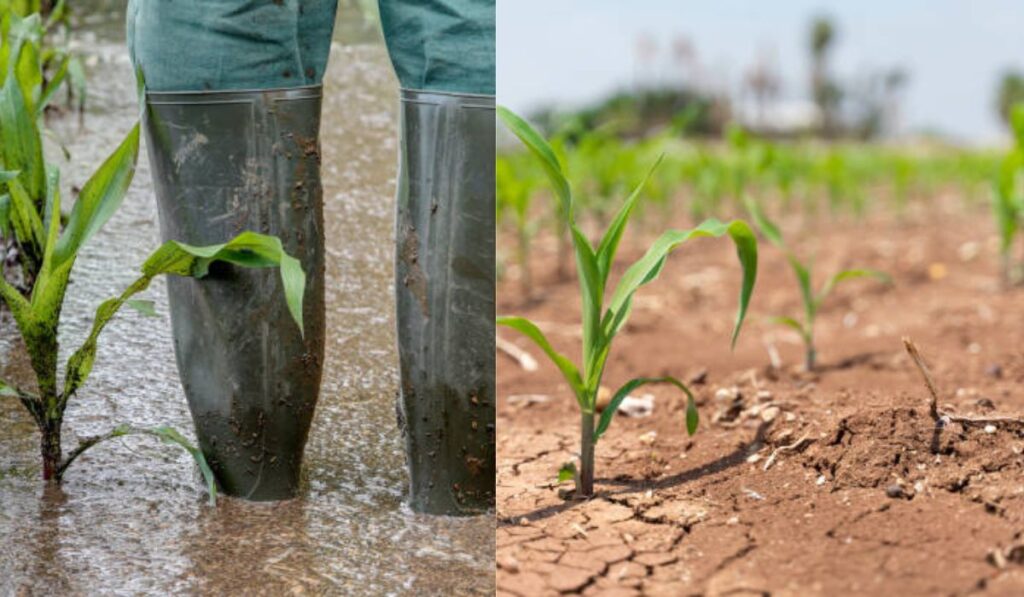
As climate change continues to disrupt agricultural productivity, small-scale Nigerian farmers face increasing challenges in securing stable yields. Recognizing this pressing issue, the Nigerian Meteorological Agency (NiMet) and the Human and Environmental Development Agenda (HEDA) have joined forces to support vulnerable farming communities through climate-smart initiatives—showcasing the power of corporate social responsibility (CSR) in fostering sustainability and social impact.
Climate Change Threatens Food Security
Erratic rainfall, prolonged droughts, and unpredictable weather patterns have made farming a high-risk venture for smallholder farmers, who contribute significantly to Nigeria’s food supply. Without access to accurate weather forecasts and adaptive farming techniques, these farmers struggle to maintain productivity, exacerbating food insecurity and rural poverty.
NiMet and HEDA’s Collaborative Intervention
In a bid to mitigate these challenges, NiMet and HEDA have launched a partnership aimed at equipping small-scale farmers with vital climate information and sustainable agricultural practices. Through this initiative, farmers receive:
- Real-time weather forecasts to plan planting and harvesting cycles effectively.
- Training on climate-resilient farming techniques to reduce crop losses.
- Access to drought-resistant seeds and eco-friendly pest control methods.
This collaboration underscores the importance of CSR in driving community development, particularly in sectors most affected by environmental shifts. By bridging the gap between meteorological science and grassroots agriculture, the initiative not only enhances food security but also strengthens the socio-economic resilience of rural communities.
Read also: Plateau State to Plant 200,000 Trees to Control Climate Change in 2025
Social Responsibility and Long-Term Impact
Beyond immediate relief, the program emphasizes education and capacity-building, ensuring that farmers can independently adapt to future climate uncertainties. HEDA’s advocacy for environmental justice, combined with NiMet’s technical expertise, creates a sustainable model for social impact—one that aligns with global sustainability goals.
As climate change remains a critical threat to livelihoods, such partnerships highlight how organizations can leverage their resources for meaningful community development. Supporting small-scale farmers is not just an environmental necessity but a moral obligation—one that fosters inclusive growth and long-term societal benefits.
By investing in climate adaptation today, NiMet and HEDA are sowing the seeds for a more food-secure and sustainable tomorrow.
[give_form id="20698"]