csrreporters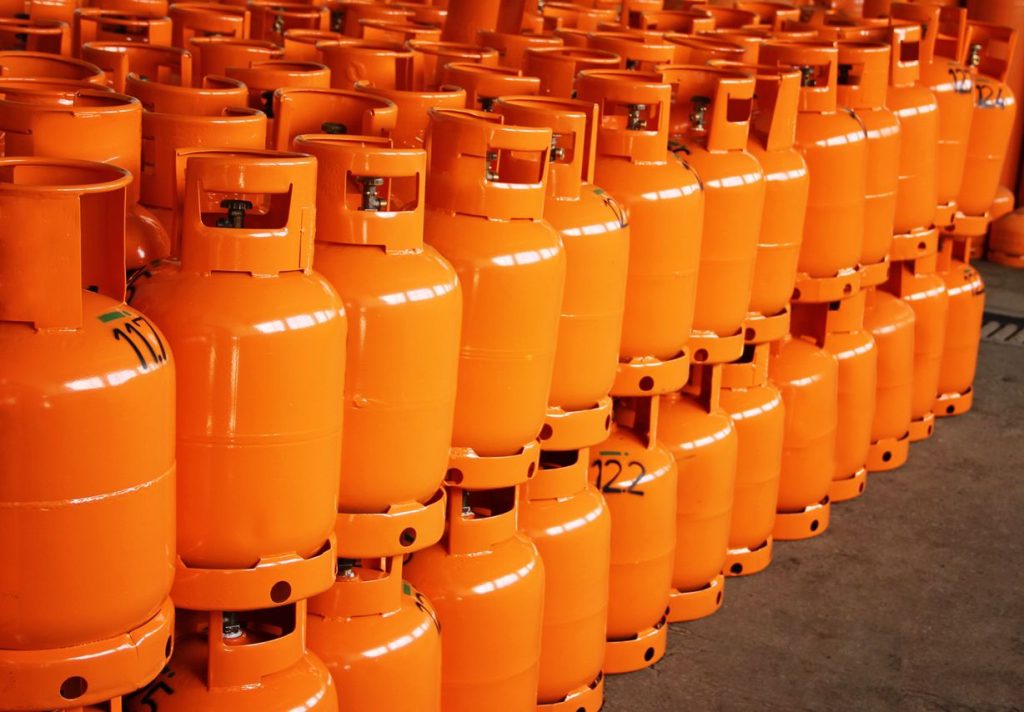
Rising liquefied petroleum gas (LPG) prices across Nigeria are drawing renewed attention to the country’s widening energy affordability challenge, as households increasingly struggle with the rising cost of everyday cooking fuels.
However, the pressure is no longer limited to LPG alone. Recent trends indicate that other commonly used household energy sources, including kerosene and traditional biomass fuels, have also experienced significant price increases, creating what analysts describe as a “multi-fuel affordability squeeze.”
The development is raising concerns about the sustainability of clean cooking adoption and the broader implications for energy access, public health, and environmental outcomes.
A Multi Fuel Cost Burden on Households
For many Nigerian households, cooking energy choices have traditionally been shaped by a combination of affordability, availability, and convenience.
LPG has increasingly been promoted as a cleaner and more efficient alternative to kerosene and firewood. However, rising prices have made consistent usage difficult for many families.
At the same time, kerosene often considered a fallback option for lower-income households has also become increasingly expensive and less accessible in many parts of the country. In some communities, even traditional biomass fuels such as firewood and charcoal have seen price increases due to higher demand and supply constraints.
This convergence of rising costs across multiple fuel types is narrowing household energy options and forcing difficult trade-offs in daily consumption patterns.
Household Energy Choices Under Pressure
As cooking fuel prices continue to fluctuate, households are increasingly adapting their energy usage based on affordability rather than preference or efficiency.
In many cases, families are alternating between LPG, kerosene, and biomass fuels depending on short-term price movements and availability. This shifting pattern reflects a broader struggle to maintain consistent access to affordable cooking energy.
For low- and middle-income households, the situation often translates into reduced consumption, smaller meal preparation cycles, or increased reliance on whichever fuel is temporarily less expensive.
This behavioural shift highlights the growing fragility of household energy security in the face of rising costs.
Clean Cooking Transition Faces Setback Risks
The rising cost of LPG, combined with the increasing expense of alternative fuels, poses challenges for Nigeria’s clean cooking transition agenda.
LPG has been widely positioned as a transitional fuel aimed at reducing reliance on biomass-based cooking methods, which are associated with indoor air pollution and environmental degradation. Clean energy solutions
However, when LPG becomes unaffordable and kerosene remains costly or inaccessible, households may revert to firewood or charcoal, potentially reversing progress made in promoting cleaner cooking practices.
Energy experts note that affordability remains one of the most critical determinants of whether clean energy adoption can be sustained over time.
Broader Energy Market Pressures
The current pricing dynamics reflect broader structural challenges within Nigeria’s energy market, including supply constraints, foreign exchange pressures, and distribution inefficiencies.
Because LPG and kerosene are largely influenced by global pricing trends and import costs, domestic consumers remain exposed to external market volatility.
In addition, logistical challenges within the downstream sector continue to affect the stability and predictability of fuel pricing across different regions.
These factors combined contribute to a volatile energy environment where household planning becomes increasingly difficult.
Energy Poverty and Social Implications
The growing cost burden across multiple cooking fuels is also raising concerns about deepening energy poverty.
Energy access is no longer solely about availability but increasingly about affordability and reliability across different fuel types.
The implications extend beyond household budgets. Rising cooking fuel costs are linked to:
- Increased exposure to indoor air pollution
- Greater time and financial burden on women responsible for cooking
- Reduced household welfare outcomes
- and widening inequality in energy access
As households adjust to these pressures, energy choices are becoming more constrained, particularly for vulnerable populations.
Policy and Transition Considerations
The current situation highlights the need for more integrated energy policy approaches that consider the full spectrum of household cooking fuels rather than focusing on a single energy source.
Experts argue that effective clean cooking strategies must address:
- Affordability of LPG and alternative clean fuels
- Stability of supply chains
- and gradual reduction of dependence on high-emission biomass fuels
Without such measures, rising costs across all fuel types may continue to slow down the transition toward cleaner and more sustainable household energy systems.
Looking Ahead
As Nigeria continues to navigate its energy transition, the affordability of household cooking fuels remains a critical challenge.
The simultaneous rise in LPG, kerosene, and biomass fuel costs underscores the complexity of achieving both energy access and sustainability goals.
For many households, the immediate concern is not just choosing cleaner energy, but finding any energy option that remains consistently affordable.
Ultimately, addressing this multi-fuel affordability crisis will require coordinated policy interventions that balance market realities with long-term sustainability objectives.
[give_form id="20698"]