CSR Personality of the Week: Dr. Chizor Malize Is Building Africa’s ESG Infrastructure
 CSR Reporters
Dr Chizor Malize wields a special kind of influence. One that comes from shaping an entire industry’s learning pipeline and redefining what responsible business means for everyone who passes through it. She is the Managing Director and CEO of the Financial Institutions Training Centre (FITC), the Lagos-based institution responsible for training Nigeria’s banking and financial sector.
Under her leadership, FITC has moved far beyond technical banking education. Today, it stands among the country’s most consistent institutional voices on sustainability, ESG, and inclusive finance. That influence is on display this week as FITC prepares to host one of Africa’s most closely watched sustainability gatherings.
From Brand Strategist to Institution Builder
Unlike many leaders in financial sector development, Malize did not begin her career in banking regulation or development economics. Instead, she built her reputation in marketing and brand strategy. Over more than two decades, she managed international brands before founding Brandzone Consulting LLC. There, she led a consulting practice that served both local and global organisations.
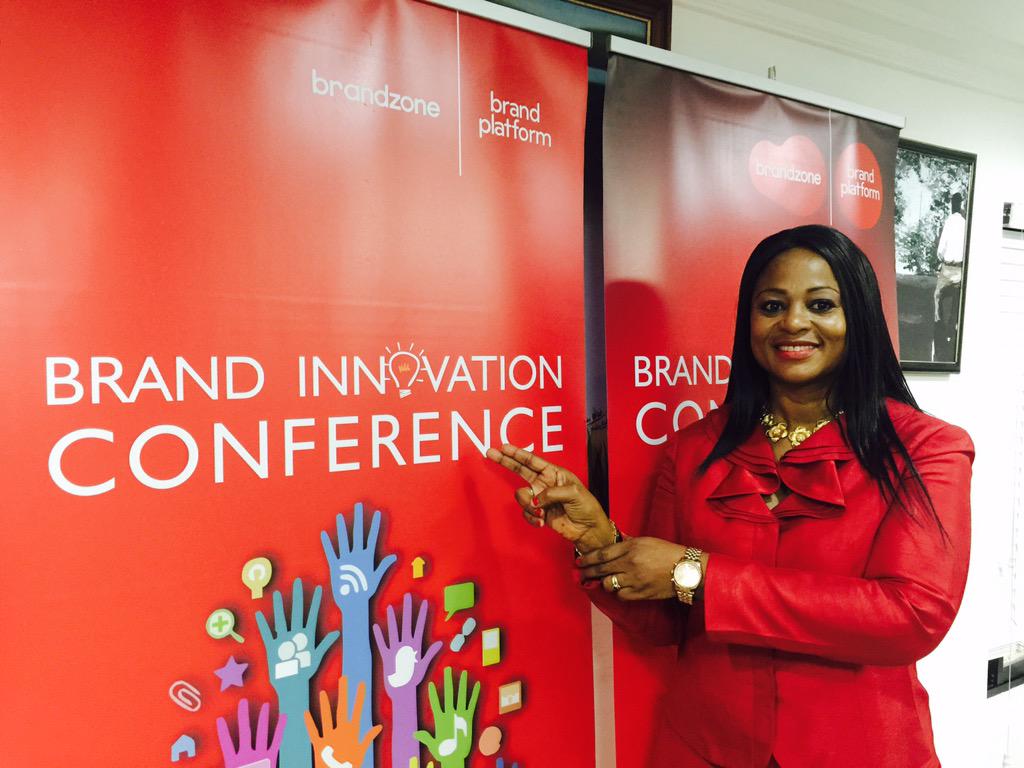
That background matters. After all, it helped shape a leader who sees sustainability as more than a compliance exercise. For Malize, sustainability is also a narrative that must be communicated clearly enough to inspire action across an industry.
Since taking the helm at FITC, she has overseen the organisation’s transformation into a technology-driven knowledge solutions provider. At the same time, she has led strategic projects spanning banking, product marketing, electronic payments, and brand repositioning across more than eight African countries.
Consequently, when FITC decided to strengthen its sustainability agenda, Malize emerged as the natural leader to drive that vision forward.
Convening Africa’s ESG Conversation
This week marks another milestone in that journey.
FITC’s Sustainability and ESG Conference 3.0 will take place on July 8, 2026, in Lagos. The event carries the theme: “Building a Sustainable Africa: Integrating Environmental Stewardship, Social Impact, and Strong Governance for a Prosperous Future.”
Malize chairs the conference’s Planning Committee and leads the FITC Sustainability and ESG Institute Advisory Board. Furthermore, the board includes some of Africa’s most respected sustainability and governance experts, including a member of the International Sustainability Standards Board and the chief executive of a leading Nigerian foundation.
Ahead of the conference, Malize explained that the event aims to encourage meaningful dialogue while driving practical action on Africa’s sustainability priorities. Importantly, FITC has avoided positioning the conference as a yearly talking shop. Instead, the organisation treats it as a platform where stakeholders evaluate progress on climate action, ESG reporting, governance standards, and sustainable finance.
That distinction matters. Across Africa, critics often argue that sustainability conversations rely too heavily on imported frameworks from Europe and North America. By contrast, an ESG conference convened by the institution that trains Nigeria’s bankers carries unique influence. More importantly, it places ESG literacy directly inside the systems that shape capital allocation decisions.
Financial Inclusion as a Sustainability Tool
Malize’s sustainability philosophy is closely linked to her long-standing commitment to financial inclusion. Over the years, she has consistently argued that deposit money banks, fintech companies, and regulators must work together to close Nigeria’s financial inclusion gap. Rather than operating in silos, she believes collaboration offers the most effective path forward.
That perspective reflects practical experience rather than theory. Throughout her career, she has worked on strategies designed to expand formal financial services to underserved communities. As a result, financial inclusion remains central to FITC’s sustainability agenda.
Environmental, social, and governance frameworks often struggle to deliver meaningful impact when large portions of the population remain outside the formal financial system. Therefore, Malize treats inclusion and ESG as interconnected priorities. By doing so, she grounds FITC’s sustainability strategy in Nigeria’s economic realities rather than relying solely on global reporting language.
Supporting the Next Generation of Women Leaders
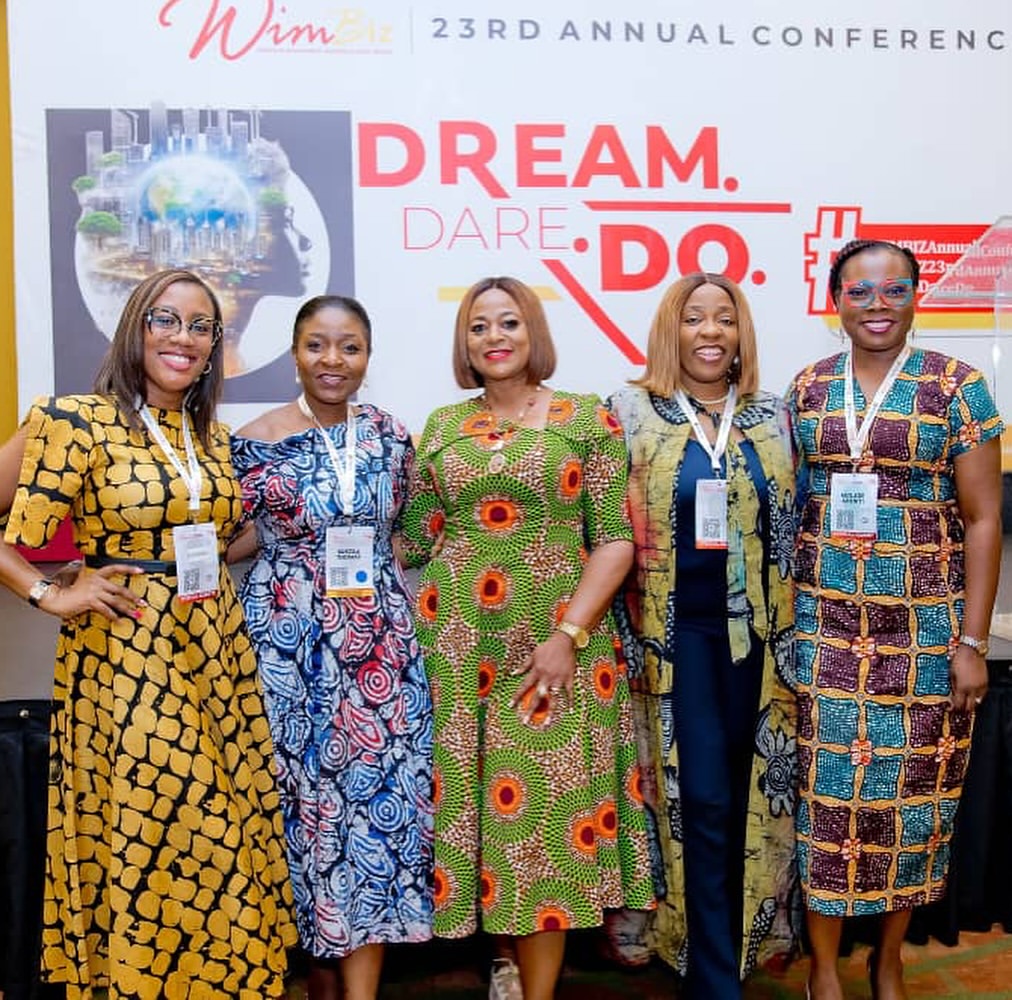
Malize’s influence extends beyond sustainability and finance. She previously served on the Executive Council Board of Women in Management, Business and Public Service (WIMBIZ). This organisation has supported more than 100,000 women. She was also a mentor on a July 4th session for the organization speaking on ESG and Sustainability.
In addition, she currently serves as Vice Chairman of the Institute of Directors’ Women Directors Development Committee.
Through these roles, she mentors women directors and professionals preparing for boardroom leadership. Earlier this year, she reinforced that commitment during the launch of a women’s empowerment initiative in Lagos. During the event, she encouraged women to strengthen self-awareness, pursue growth with discipline, and build careers around their unique strengths.
Notably, the message aligns with her broader leadership philosophy. Rather than focusing on personal recognition, she emphasises creating opportunities that allow others to succeed.
Recognition That Reflects Long-Term Impact
Malize’s list of honours reflects a career marked by consistent achievement. She received a Marketing Personality of the Year Award in 2016 and an African Leadership Excellence Award in 2017. Later, in 2020, she earned the Inspirational Leader Award for leading organisational transformation at FITC during the global pandemic.
She also became the only African nominated to the REBRAND 100 Global Awards Jury Board. More recently, she was named winner, Women Changing the World Awards (Business Category). Yet these recognitions do not define her legacy. Instead, they highlight a pattern of leadership that repeatedly translates recognition into larger institutional initiatives.
Why She Matters Right Now
Nigeria’s financial sector stands at a critical moment. Investors increasingly demand credible ESG performance before committing capital. Meanwhile, regulators continue to raise expectations around sustainable finance and responsible governance.
At the same time, a new generation of banking professionals is entering an industry where climate risk and social impact have become core business considerations. This is precisely the environment FITC was designed to serve.
As the institution responsible for training future financial sector leaders, FITC plays a significant role in shaping industry standards. Equally important, Malize stands at the centre of that effort.
She is not merely responding to Africa’s sustainability moment. Instead, she is helping build the systems, knowledge frameworks, and leadership structures that will influence how seriously the continent approaches ESG for years to come. That is why Dr. Chizor Malize is the CSR Personality of the Week.
[give_form id="20698"]