csrreporters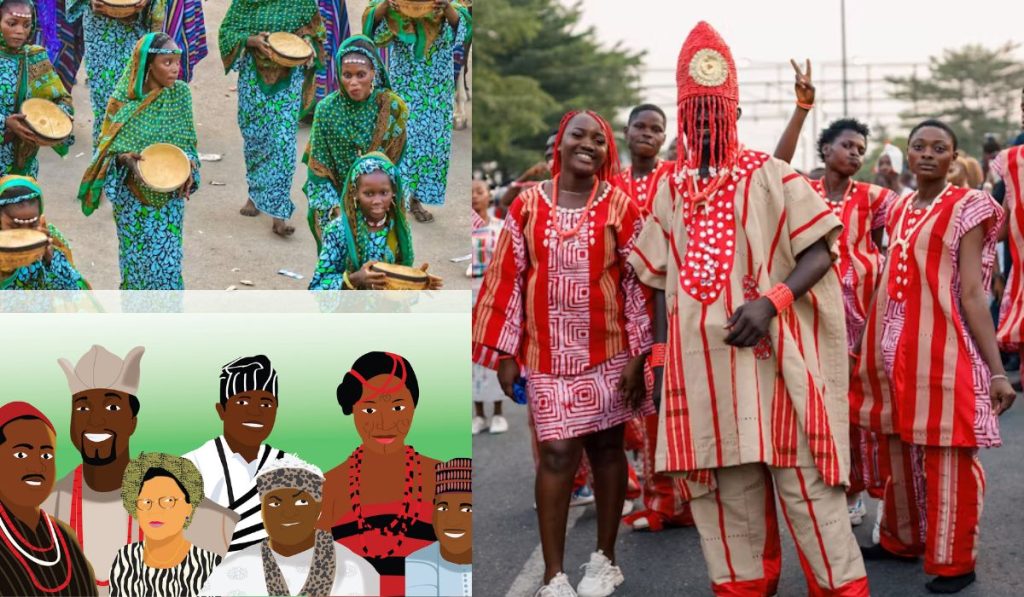
Nigeria's Diverse Ethnic and Cultural Groups
In an era where corporate social responsibility (CSR) is increasingly seen as a critical driver of brand equity and stakeholder trust, the importance of cultural sensitivity in designing and executing CSR initiatives cannot be overstated—especially in a complex, diverse country like Nigeria.
With over 250 ethnic groups, more than 500 languages, and deeply rooted traditional, religious, and regional identities, Nigeria presents both a rich opportunity and a complex challenge for corporations seeking to make meaningful social impact. In such a setting, deploying CSR without a nuanced understanding of cultural contexts can render well-intentioned efforts ineffective, or worse, counterproductive.
Understanding Nigeria’s Cultural Landscape
Nigeria’s diversity is one of its greatest assets, but it also demands thoughtful engagement. From the Hausa-Fulani communities in the North, to the Yoruba in the Southwest, the Igbo in the Southeast, and numerous other ethnic groups in the Middle Belt and Niger Delta, cultural norms shape how people perceive development, authority, and collaboration.
CSR initiatives that ignore these nuances risk being misinterpreted, rejected, or underutilized. For companies operating in this space, understanding local expectations, belief systems, governance structures, and community priorities is essential.
What Does Cultural Sensitivity in CSR Really Mean?
Cultural sensitivity in CSR refers to the ability of an organization to respect, acknowledge, and adapt to the cultural norms of the communities it serves. This involves:
- Listening to community voices
- Consulting traditional and religious leaders
- Customizing initiatives to align with local values
- Respecting local decision-making processes
It’s not about diluting impact or compromising values—it’s about ensuring CSR initiatives are relevant, welcomed, and sustainable.
Why Cultural Sensitivity is Crucial in Nigeria’s CSR Landscape
1. Trust-Building and Conflict Prevention
One of the most critical roles cultural sensitivity plays is in building trust. In regions like the Niger Delta, tensions between oil companies and host communities have often stemmed from a lack of genuine engagement. Projects that were imposed without community buy-in—regardless of their scale—often led to distrust, vandalism, and in extreme cases, unrest.
Culturally attuned CSR programs, on the other hand, promote dialogue, respect, and mutual understanding, reducing the risk of conflict and enhancing the company’s social license to operate.
2. Promoting Ownership and Sustainability
CSR projects thrive when communities feel a sense of ownership. This only happens when initiatives are culturally aligned and locally relevant. For example, a clean water project that involves community elders in its planning and monitoring is more likely to succeed than one handed down without consultation.
In northern Nigeria, for instance, education initiatives that incorporate Islamic scholars and community leaders often see better reception and participation. Similarly, in the South, aligning health projects with local belief systems can enhance participation, especially among women and youth.
3. Avoiding Missteps and Reputational Damage
CSR initiatives that unintentionally conflict with local customs can do more harm than good. Cases abound where foreign-funded programs clashed with religious or cultural values—such as family planning campaigns in conservative Muslim communities or initiatives that overlooked the roles of traditional authorities.
A culturally sensitive approach prevents these PR disasters by ensuring that messages and methods are appropriate, timely, and well-communicated.
4. Boosting Corporate Reputation
In Nigeria, reputation matters. Companies that are seen as community allies gain a competitive edge, not just in customer loyalty but also in regulatory support and operational ease. CSR efforts that reflect cultural empathy position a brand as thoughtful, responsive, and trustworthy.
Firms like MTN Nigeria and Coca-Cola Nigeria have built goodwill by engaging local communities through tailored education, health, and empowerment programs. Their efforts have often included local language messaging, partnerships with traditional institutions, and capacity building initiatives that reflect regional values.
Best Practices for Culturally Sensitive CSR in Nigeria
To effectively incorporate cultural sensitivity into CSR strategies, companies should consider the following:
Conduct Cultural Mapping
Before any intervention, conduct a cultural and stakeholder analysis. Identify key influencers—traditional rulers, youth leaders, women’s groups, and religious heads.
Engage in Dialogue, Not Monologue
Rather than telling communities what they need, ask them. Use town hall meetings, focus groups, and community liaisons to understand real priorities.
Respect Local Protocols
Adhering to traditional protocols—including greeting elders, observing religious days, and involving chiefs—builds goodwill and fosters collaboration.
Tailor Messaging and Delivery
CSR messages should be communicated in local dialects, and project designs should reflect regional sensitivities, from gender roles to religious practices.
Monitor and Adapt
CSR efforts should be flexible and responsive. Regular feedback loops allow companies to adjust strategies as community needs evolve.
Looking Ahead: Cultural Sensitivity as a Strategic CSR Imperative
For organizations that see Nigeria not just as a market but as a stakeholder ecosystem, cultural sensitivity is a strategic necessity. It’s not an add-on—it’s a core component of successful, sustainable, and impactful CSR.
The most effective CSR programs are those that listen before they act, that honor traditions, and that work with, not just for, local communities.
As Nigeria continues to grow in economic and geopolitical importance, companies that take the time to understand its people, not just its profit potential, will stand out as true partners in progress.
[give_form id="20698"]