csrreporters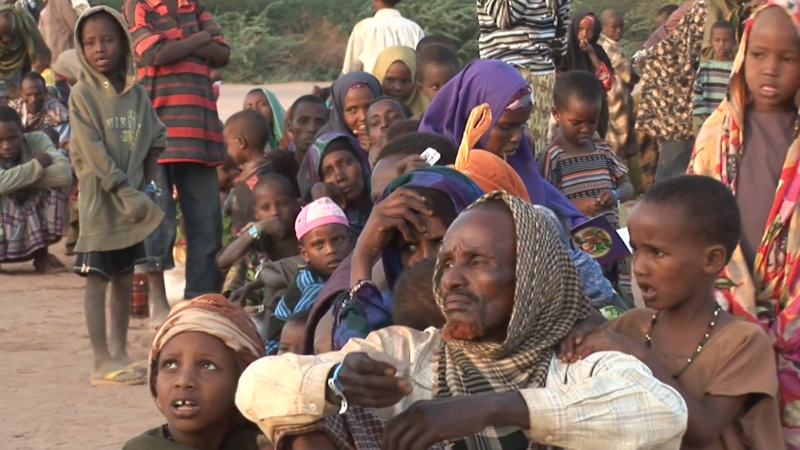
Across Africa and beyond, humanitarian needs are surging while funding dwindles. From climate-driven disasters and protracted conflicts to mass displacement and food insecurity, crises are multiplying. Yet, paradoxically, aid budgets are shrinking. In recent years, deep funding cuts—especially under the Trump administration in the United States—exposed how dependent the sector is on a handful of donor governments. For Africa, this fragility has forced an uncomfortable reckoning: the humanitarian system cannot continue as it is.
This moment has sparked what leading experts call a “humanitarian reset.” Rather than patching over old flaws with temporary fixes, the reset calls for a profound transformation of how aid is conceived, delivered, and sustained. At the centre of this transformation lies one crucial shift—citizen involvement.
From top-down aid to shared responsibility
For decades, international humanitarian aid has largely operated as a top-down system. Solutions, priorities, and funding were often defined in foreign capitals, while African citizens—the very people most affected—were cast as passive recipients. This approach has led to inefficiencies, mistrust, and sometimes even the reinforcement of dependency.
Marcelin Ridja, a humanitarian leader from the Democratic Republic of the Congo (DRC) with over 20 years of experience, has been one of the clearest voices calling for change. In his book La solidarité sur un fil (“Solidarity on a Tightrope”), published in April 2025 through WhatsApp to reach wider African audiences, Ridja argues that aid can no longer be driven solely by the politics and interests of powerful nations. Instead, it must be rooted in solidarity, equality, and above all, citizen agency.
A humanitarian reset grounded in solidarity
The reset Ridja envisions is not simply about raising more money or delivering aid more efficiently. It is about a moral and structural shift—moving from a charity model to a solidarity model. This means recognising African citizens not as beneficiaries but as actors, innovators, and decision-makers in their own right.
Communities across Africa already demonstrate this spirit of solidarity every day. Local groups mobilise food drives during droughts. Youth networks use technology to track floods and alert neighbours. Faith-based organisations offer shelter to displaced families when official aid falls short. These efforts often sustain lives long before international help arrives.
What is missing is recognition, resourcing, and integration of these citizen-led initiatives into the broader humanitarian system. By empowering local actors, aid becomes more responsive, more sustainable, and more just.
Equality as the foundation
The humanitarian reset also insists on equality—not just between donors and recipients, but within African societies themselves. When resources are concentrated in elite organisations or foreign NGOs, the poorest communities remain marginalised. Citizen involvement ensures that interventions reflect the realities on the ground, not just the priorities of those in boardrooms or government offices.
Equality also means shifting narratives. Africa is too often portrayed only as a continent in need of saving. A reset reframes it as a continent of resilience, creativity, and solidarity. The humanitarian system must catch up with that reality.
Looking forward
As global crises intensify—from climate shocks to geopolitical tensions—the cracks in the old humanitarian model will only widen. If Africa is to navigate this era of uncertainty, citizen involvement cannot be an afterthought; it must be the foundation.
The humanitarian reset is ultimately a call to humility for international actors and a call to action for African citizens. By placing solidarity, equality, and local agency at the heart of aid, Africa can move beyond a system built on dependency and toward one built on shared humanity.
In Ridja’s words, the challenge is not just to save lives today but to create a future where dignity, resilience, and justice define what humanitarianism means on the continent.
[give_form id="20698"]