ROSEMARY IMOBHIO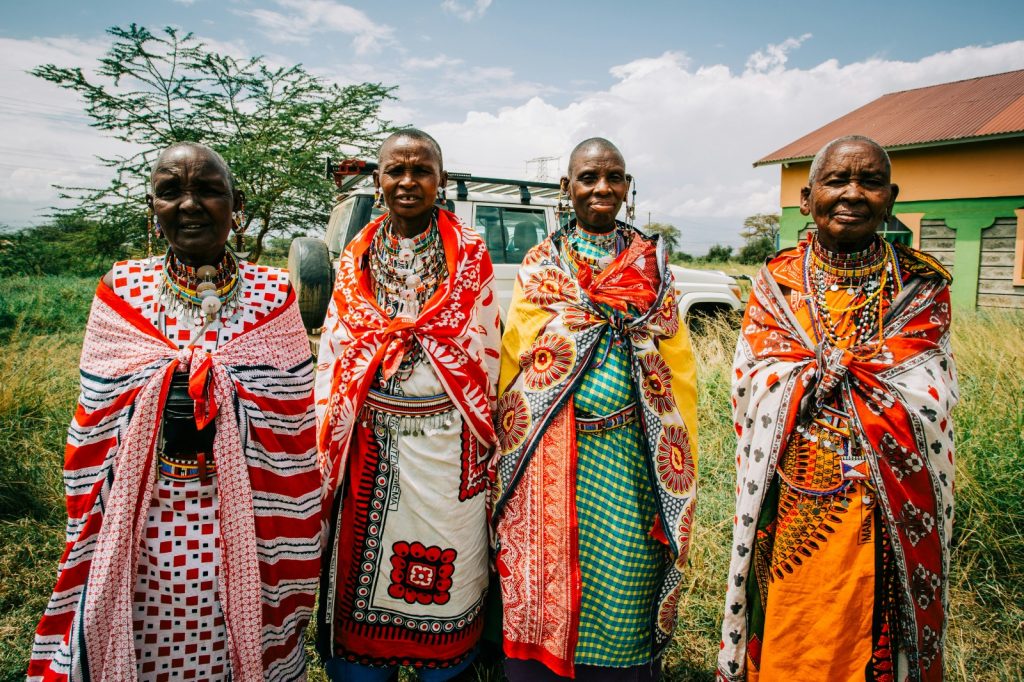
Kenya has thrown its weight behind a sweeping new roadmap to restore its rangelands, protect pastoral livelihoods and build climate resilience across its vast drylands. The announcement comes at a pivotal moment. Global attention is turning toward the International Year of Rangelands and Pastoralists (IYRP 2026). At the same time, delegates worldwide are preparing for the UNCCD COP17 negotiations in Ulaanbaatar, Mongolia, this August.
Across Africa, drylands cover enormous stretches of land and support hundreds of millions of livelihoods. Against that backdrop, Kenya’s move is far more than a domestic policy update. It signals to governments, investors and conservation organizations that pastoral economies are moving to the center of the sustainability conversation. For years, these economies have often been overlooked despite their importance.
Consequently, what happens in Kenya’s rangelands over the next few years could influence how the continent approaches land restoration, food security and climate finance.
Why Kenya’s Rangelands Matter
Rangelands are not empty land waiting for development. They are productive landscapes that support people, wildlife and local economies. In Kenya, rangelands cover about 80 percent of the country’s landmass. That amounts to roughly 40 million hectares, an area comparable in size to Paraguay. They also support around 70 percent of Kenya’s livestock and 85 percent of its wildlife. As a result, they form the backbone of both the livestock economy and the tourism industry.
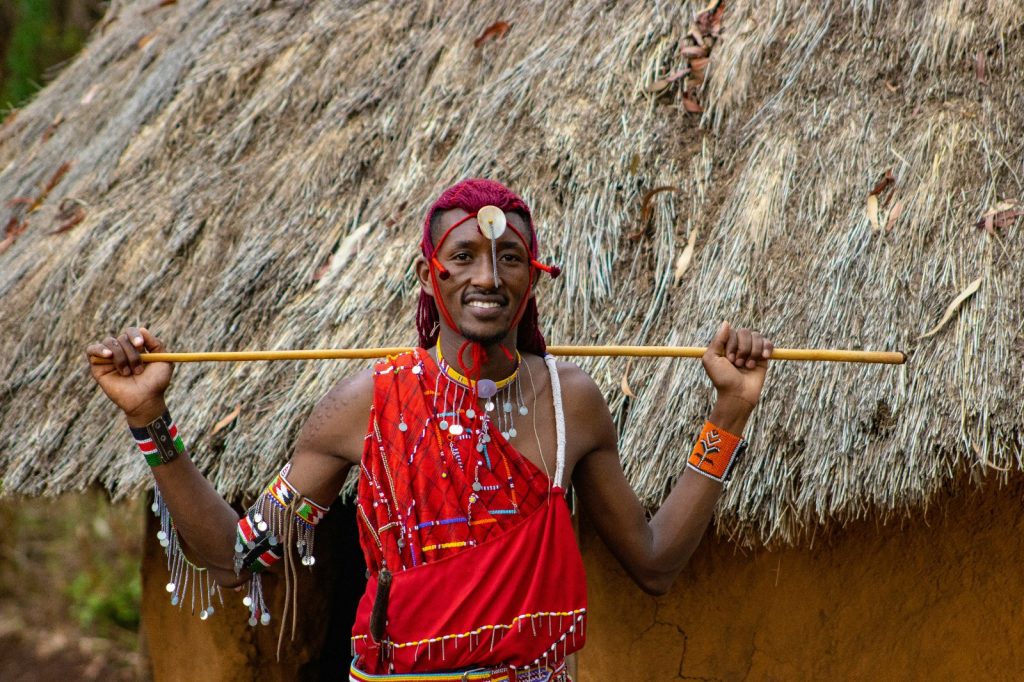
More than one-third of Kenya’s population lives in these rangelands. For these communities, pastoralism is not a relic of the past. Instead, it is a sophisticated livelihood system built on mobility, indigenous ecological knowledge and communal land governance. Pastoralists move their herds according to rainfall patterns and pasture availability. This adaptive strategy has sustained arid and semi-arid ecosystems for generations.
Given this scale, any policy affecting rangelands has far-reaching consequences. It influences food systems, export earnings and biodiversity conservation. Therefore, the government’s renewed commitments deserve attention well beyond the pastoralist communities they directly affect.
Climate Change Is Increasing Pressure
Kenya’s drylands are under growing pressure. Recurrent droughts, unpredictable rainfall and rising temperatures have made pastoral life increasingly difficult. At the same time, land degradation, fragmented grazing corridors, insecure land tenure and invasive species such as Prosopis juliflora continue to erode natural ecosystems. Consequently, pastoral communities face greater risks each year.
These pressures are not unique to Kenya. Across sub-Saharan Africa, roughly 163 million hectares of land have degraded since 2015, according to the United Nations Convention to Combat Desertification (UNCCD). Meanwhile, nearly 620 million people live in Africa’s drylands. That represents almost half of the continent’s population and highlights the region’s vulnerability to aridification and ecosystem loss.
Human-wildlife conflict and resource-based tensions add another layer of complexity. These challenges intensify as grazing lands shrink and livestock mobility routes are disrupted by infrastructure development and competing land uses.
Meanwhile, weak policy implementation and limited investment have historically left pastoral systems underfunded. This is despite their significant economic and ecological value. Together, these pressures explain why Kenya’s renewed commitments have arrived at a critical time.
Kenya’s New Commitments Explained
At the end of July, Kenya hosted its National Conference for the International Year of Rangelands and Pastoralists in Kajiado County. The county is home to the UNESCO-designated Amboseli Biosphere Reserve.
The Food and Agriculture Organization of the United Nations supported the conference. It brought together pastoralist communities, women’s and youth organizations, researchers, county governments, development partners and private sector representatives. Participants gathered under the theme, Lands in Motion: Stewards of Knowledge and the Future.
Rather than issuing broad promises, delegates adopted a communiqué focused on practical action. The commitments include harmonizing national and county policies on rangeland management. They also call for expanding Kenya’s network of UNESCO Biosphere Reserves and Global Geoparks. In addition, the roadmap promotes ecosystem restoration through participatory rangeland management and sustainable grazing practices.
Climate-smart pastoralism is another priority. The commitments seek to improve access to livestock health services, water resources, pasture development, fodder production and livestock insurance. Together, these measures should help pastoral communities withstand climate shocks.
The roadmap also calls for faster implementation of community land legislation. It seeks to strengthen Rangeland Management Committees and improve local governance. These measures could give pastoralist communities stronger legal rights over the landscapes they manage.
Equally important is the emphasis on inclusion. The conference urged gender-responsive and disability-inclusive governance. It also recognized women, young people and persons with disabilities as central actors in sustainable rangeland management rather than passive beneficiaries.
Jonathan Mueke, Principal Secretary in Kenya’s Ministry of Agriculture and Livestock Development, underscored the importance of these ecosystems. He said Kenya’s rangelands remain the backbone of the country’s livestock sector. He added that protecting and restoring them is essential to building a resilient, climate-smart and productive livestock economy.
What This Means for Biodiversity and Food Security
Rangelands are much more than grazing areas. They are biodiversity hotspots, carbon sinks and natural buffers against desertification. Therefore, protecting them delivers benefits that extend far beyond livestock production.
Kenya’s wildlife economy depends heavily on healthy rangelands. These same landscapes also sustain pastoral communities. When rangelands deteriorate, wildlife habitats shrink alongside grazing areas. As a result, conservation efforts and local livelihoods both suffer.
Restoration offers an opportunity to reverse this trend. It can strengthen biodiversity while supporting economic opportunities for local communities.
Food security is equally important. Livestock provides protein, income and financial security for millions of pastoral households. Strengthening livestock value chains could help stabilize food supplies in climate-vulnerable regions. Improvements in fodder production, livestock processing and cold-chain logistics would all contribute to a more resilient food system.
The communiqué also promotes stronger collaboration between scientific research and indigenous knowledge. This combination could improve drought forecasting, strengthen early warning systems and support more effective land-use planning.
Why Businesses and Investors Should Pay Attention
For sustainability professionals and investors, Kenya’s renewed rangeland commitments are more than an environmental story. They also represent an economic opportunity. Recent analysis by the IGAD Centre for Pastoral Areas and Livestock Development suggests livestock contributes far more to Kenya’s agricultural GDP than conventional estimates indicate. Meat exports alone generated more than USD 146 million in a recent year.
These figures highlight a sector that has long been undervalued in traditional economic models. Many of those models fail to capture ecosystem services, carbon sequestration and other environmental benefits. That perception is beginning to change.
As climate finance and nature-based solutions gain momentum, drylands are increasingly viewed as investable landscapes rather than marginal territory. Opportunities now extend across livestock value chains, including feed production, abattoirs, leather processing and camel milk cold-chain logistics. They also include ecosystem restoration projects that could generate carbon credits and attract sustainable investment.
However, investors must proceed carefully. Renewable energy and infrastructure projects that block traditional transhumance routes can undermine the resilience they aim to support. Businesses operating across Africa’s arid and semi-arid lands should therefore integrate community land rights and pastoral mobility into their environmental, social and governance strategies. They should not treat these issues as afterthoughts.
Companies involved in leather, beef, dairy, tourism or conservation also have a direct interest in how these landscapes are managed. Healthy rangelands support stronger supply chains, protect biodiversity and improve long-term business resilience.
How Kenya Could Influence Sustainable Land Management Across Africa
Kenya’s approach could become a useful model for other African countries facing similar environmental and economic pressures. One of the country’s key commitments is to nominate additional UNESCO Biosphere Reserves and UNESCO Global Geoparks. Expanding these internationally recognized sites could strengthen conservation, encourage research and attract new funding for sustainable development.
Kenya also plans to present a unified national position at the Global Gathering of Pastoralists under IYRP 2026. This move reflects its ambition to shape regional cooperation on transboundary pastoralism. Such cooperation remains essential because many pastoral communities cross national borders in search of pasture and water.
Several African countries, particularly across the Horn of Africa and the Sahel, face similar challenges. These include recurring drought, insecure land tenure, ecosystem degradation and the marginalization of pastoral communities.
If Kenya demonstrates that strong policy, community governance and private investment can reinforce one another, it could provide a practical model for others to follow. The African Union already recognizes pastoralism as a critical pillar of food security and sustainable development. Consequently, Kenya’s experience could influence broader continental policy discussions in the years ahead.
Looking Ahead to UNCCD COP17
Kenya’s renewed commitments come just weeks before UNCCD COP17, which will take place from 17 to 28 August in Ulaanbaatar, Mongolia. The conference will be held under the theme, Restoring Land, Restoring Hope.
Delegates from the Convention’s 197 parties are expected to attend. Rangelands and pastoralism are also expected to feature prominently because of their close alignment with the International Year of Rangelands and Pastoralists.
Notably, 2026 has been described as a “Triple COP” year. UNCCD COP17 will be followed by the biodiversity and climate conferences later in the year. As a result, land restoration is expected to receive unprecedented global attention. Countries arriving with concrete national commitments, including Kenya, may have greater influence during the negotiations.
The global challenge remains enormous. According to the UNCCD, the world must restore about 1.5 billion hectares of degraded land by 2030 to achieve land degradation neutrality. Meeting that target will require trillions of dollars in investment over the coming decade.
Against this backdrop, Kenya’s renewed commitments represent more than a national policy announcement. They demonstrate how governments can combine ecosystem restoration, climate resilience and community development within a single strategy. They also reinforce the growing recognition that healthy landscapes are essential for sustainable economic growth.
For Africa, the implications extend well beyond Kenya’s borders. The continent’s drylands support millions of people, vast livestock populations and globally significant biodiversity. Decisions made today will shape food security, climate resilience and economic opportunities for decades.
As the countdown to COP17 continues, the question is no longer whether rangelands deserve greater attention. Instead, the focus is whether governments, businesses and investors across Africa will match Kenya’s ambition with meaningful action. The answer could determine how successfully the continent restores degraded landscapes while building a more resilient and sustainable future.