csrreporters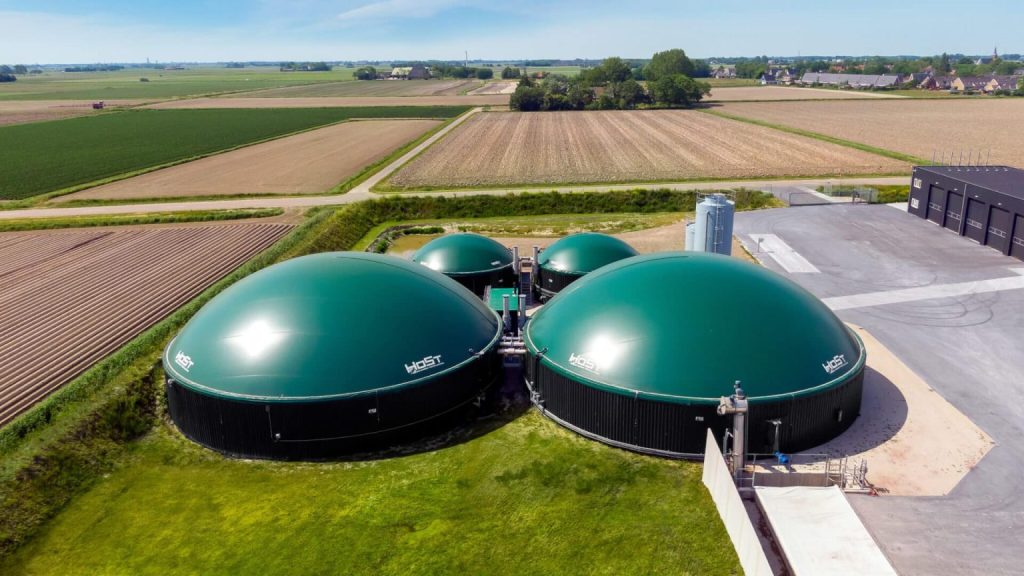
The Lagos State Government has taken a significant step toward clean energy transition with the inauguration of a technical committee to drive commercial biogas and biomethane production across the state.
The initiative is aimed at reducing dependence on imported fuel, cutting carbon emissions, and promoting sustainable energy alternatives within Nigeria’s commercial capital.
According to the Commissioner for Transportation, Oluwaseun Osiyemi, the committee brings together representatives from relevant Ministries, Departments, and Agencies (MDAs) to ensure coordinated implementation of the state’s biogas agenda.
The development reflects Lagos State’s growing commitment to cleaner, more efficient, and locally sourced energy solutions.
Turning Waste Into Energy
A key driver behind the initiative is Lagos State’s large volume of organic waste.
The government estimates that the state generates approximately 13,000 metric tonnes of waste daily, with about 45 percent classified as organic waste. This organic component can be converted into biomethane, a renewable fuel alternative that can replace conventional diesel in transportation and industrial use.
Officials say feasibility studies have already confirmed that biogas and biomethane are viable and cost-effective alternatives to fossil fuels, especially in urban environments with high waste generation levels.
By converting waste into energy, the state aims to address two major challenges at once:
- Environmental pollution from waste accumulation
- Dependence on expensive fossil fuel imports
A Broader Clean Energy Strategy
The biogas initiative is not an isolated project but part of a wider clean energy and sustainable transport strategy being implemented by the Lagos State Government.
Over the past few years, the state has introduced several interventions aimed at reducing carbon emissions and modernising its transport system, including:
- Conversion of petrol-powered buses to Compressed Natural Gas (CNG)
- Deployment of electric buses on pilot transport routes
- Gradual replacement of diesel-powered transport systems with cleaner alternatives
- Expansion of rail infrastructure under a long-term mobility plan
These efforts signal a gradual but deliberate shift toward low-carbon urban development.
The newly inaugurated committee is expected to accelerate this transition by focusing specifically on the commercial viability of biogas production and scaling it across the state.
Economic and Environmental Implications
Beyond environmental benefits, the initiative also carries strong economic implications.
Energy costs remain a major driver of transport and production expenses in Nigeria. By developing local biogas capacity, Lagos State could reduce fuel import pressure and stabilise energy-related costs in the long term.
The project also positions waste management as a potential economic asset rather than a burden. Instead of being treated solely as an environmental challenge, organic waste becomes a resource for energy generation and industrial use.
If successfully implemented, the model could:
- Reduce greenhouse gas emissions
- Create green jobs in waste-to-energy value chains
- Improve urban sanitation systems
- Strengthen energy security at the state level
Sustainability and Urban Development
Lagos continues to face the dual challenge of rapid urbanization and environmental pressure. With one of the fastest-growing populations in Africa, sustainable infrastructure development has become a policy priority.
Biogas production offers a pathway that aligns environmental sustainability with urban development needs. It supports cleaner transportation, reduces landfill dependency, and contributes to broader climate action goals.
The initiative also reflects a growing global trend where cities are increasingly exploring circular economy models—turning waste into usable resources rather than allowing it to accumulate as environmental liability.
What This Means Going Forward
The establishment of the technical committee marks an important early step, but the success of the initiative will depend on execution, investment, and long-term policy continuity.
Key questions moving forward include:
- How quickly can commercial-scale biogas facilities be developed?
- What role will private sector partnerships play in implementation?
- How will the state ensure sustainability and affordability of production?
As Lagos moves forward, the biogas initiative could become a reference point for other Nigerian states exploring renewable energy alternatives.
Conclusion
Lagos State’s push into commercial biogas production highlights the growing intersection between environmental sustainability, urban governance, and energy innovation.
By converting organic waste into usable fuel, the state is not only addressing its waste management challenges but also exploring a cleaner and more sustainable energy future.
If successfully implemented, the initiative could position Lagos as a leading example of how African cities can integrate circular economy principles into urban development planning.
Further Reading: Six Pacific Nations Advance Clean Energy Transition, Call for Fossil Fuel Treaty to Drive Global Accountability
[give_form id="20698"]