ROSEMARY IMOBHIO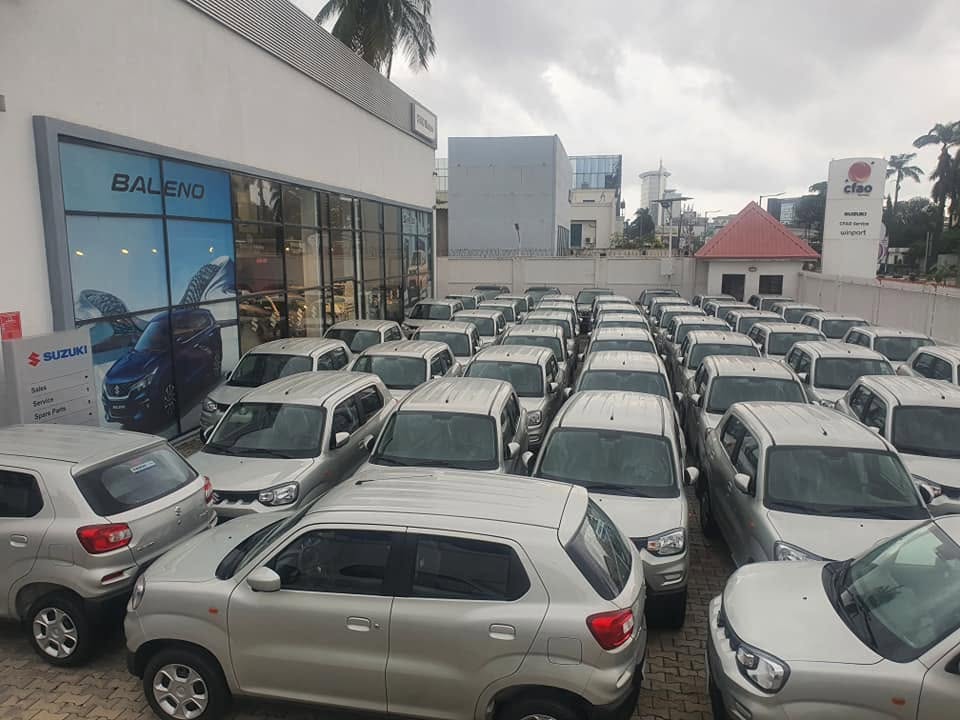
Moove has announced that it will transfer eligible vehicles worth about ₦35 billion to the customers who currently drive them. According to the company, those customers will owe nothing further for the vehicles from 1 October 2026. Moove says it is concluding its Nigerian operations after six years, and staff will receive a free car as a gesture of appreciation.
However, the story reaches beyond the sum involved. It asks what happens to people whose incomes depend on a company’s services when that company leaves.
What Vehicle Ownership Could Mean for Drivers
Ladi Delano and Jide Odunsi founded Moove in Lagos in 2020, starting with 76 vehicles. The company built Drive to Own and rental products for drivers who struggled to get conventional vehicle loans. Moove says more than 9,000 Nigerian customers have used these products. It estimates that the vehicles helped them generate roughly ₦57 billion in revenue.
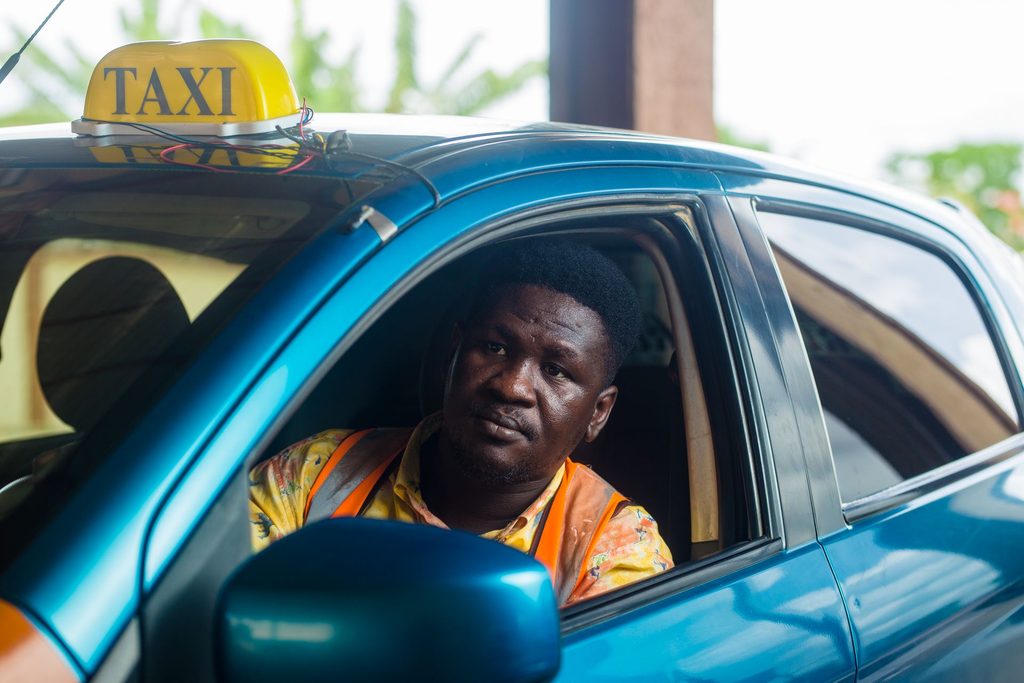
The transfer is not charity in the ordinary sense. These drivers were already paying for their cars under commercial agreements, so the change is that eligible customers will stop paying and own the asset outright. For a driver, that could mean keeping a productive vehicle and a steadier income. It could also mean more freedom to choose which platforms to work with.
However, ownership does not guarantee a living. Drivers still face fuel, maintenance, insurance and licensing costs. They also need passengers, and those depend on the health of the wider market.
The Accountability Test Beyond the Announcement
A responsible exit involves more than a headline commitment. Announcing a figure is easy, and delivering it fairly is harder. Several standards help show the difference.
First, affected customers and employees need clear and timely communication. They should know what is changing and what to do next. Second, eligibility rules must be transparent. Drivers should be able to see why one vehicle qualifies and another does not. The company has described the vehicles as “eligible”, so the criteria matter.
Third, paperwork must be right. Transfers need proper documentation, and any outstanding contractual obligations should be clearly explained. Customers should not discover hidden conditions after the event. Fourth, employees deserve clarity on their own position. A free car is a generous gesture, but staff will also want to know what other support exists as operations wind down.
Finally, timing matters. A commitment dated 1 October 2026 only counts once the transfers are complete. Other stakeholders, such as suppliers and partners, also deserve consideration.
None of this accuses Moove of anything. These are fair yardsticks for any withdrawal. The public announcement alone cannot show whether every transfer has been finished or whether every affected person has been supported. Those answers will emerge over the coming months.
What Nigeria’s Changing Mobility Market Reveals
Moove’s decision follows Uber’s exit from Nigeria around 2 September 2026. Uber had been Moove’s long-standing ride-hailing partner and later an investor. An analyst CSR Reporters spoke to, postulates that Uber’s departure made Moove’s business untenable in Nigeria. Moove has not offered that explanation, so readers should treat it as an account, not an established cause.
The wider lesson is easier to defend. Many drivers financed cars through arrangements tied to a single platform. When that platform leaves, the vehicle remains but the guaranteed stream of trips disappears. One report says Moove has since allowed drivers to use other apps, such as Bolt and inDrive. That report has not been confirmed elsewhere.
The same coverage points to lasting pressures, including fuel costs, currency weakness and price-sensitive riders. These conditions affect every operator. They also show why a business model built around one partner carries risks for the people at its base.
The timing adds nuance. Moove raised $250 million in a Series C round in August at a $2.1 billion valuation, led by Mubadala. This suggests the company is not leaving because it has run out of funds. Moove is instead redirecting itself towards global fleet operations, though that remains an inference, not a statement from the company.
Read: The Uber Exit, Anatomy of a Preventable Collapse
A Wider Lesson for African Businesses
Companies leave markets for legitimate reasons. Economics change, partners withdraw and strategies shift. Staying is not automatically virtuous, and leaving is not automatically irresponsible. The test is how a company plans and carries out its departure.
Good exit planning belongs within sound governance. Boards should ask who depends on the business and how the withdrawal will affect them. Customers, employees, suppliers and communities all carry some exposure. Handled early and openly, an exit can limit harm and preserve trust.
African markets make this especially relevant. Many people here build livelihoods around a single platform or provider, often with little cushion. A company’s plans can therefore shape household stability. Businesses that recognise this tend to communicate sooner and deliver commitments more carefully.
Commitments Must Translate Into Outcomes
For eligible drivers, a car owned outright could be a valuable asset. Its real worth will depend on how smoothly the transfers happen and on what drivers can earn afterwards. A promise on paper helps only when it reaches the person behind the wheel.
That is why this story deserves attention. Corporate responsibility is easy to show when a business is growing and the news is good. It is tested when plans change and the people around a company must adjust. How Moove completes its exit will say more than the announcement did.
DON’T JUST ANNOUNCE YOUR IMPACT. PROVE IT.
CSR REPORTERS helps organisations verify, assess, document and communicate the real impact of their CSR and sustainability initiatives.
Project Verification | Beneficiary Feedback | Impact Assessment | Impact Storytelling | Stakeholder Engagement
Have an initiative worth documenting? Let us verify it. Document it. Tell the story.
Talk to CSR REPORTERS
enquiries@csrreporters.com
📞 Call/WhatsApp: 0803 401 2198 | 0903 329 6374 | 0905 024 4468 | 0803 209 8499