


 csrreporters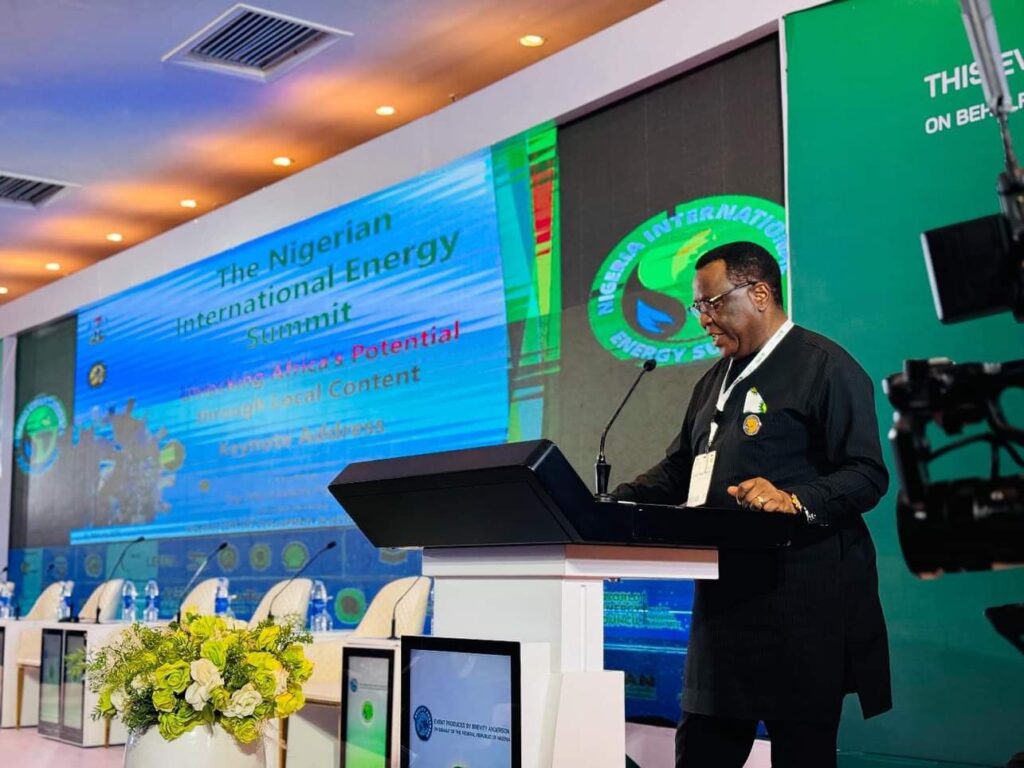
NCDMB Pushes Africa-Wide Energy Collaboration Through AfCFTA to Unlock Regional Growth
As Africa intensifies efforts to industrialise and secure energy independence, the Nigerian Content Development and Monitoring Board (NCDMB) is advocating for deeper continent-wide collaboration under the framework of the African Continental Free Trade Area (AfCFTA).
The message is both strategic and urgent: Africa’s energy future cannot be built in silos.
With global energy markets evolving rapidly, geopolitical tensions reshaping supply chains, and investment capital becoming increasingly selective, African nations are being challenged to rethink how they structure their energy ecosystems. For NCDMB, the answer lies in leveraging AfCFTA to strengthen regional value chains, scale local content, and unlock cross-border industrial growth.
Moving Beyond National Silos
For decades, energy development across Africa has largely been country-specific. Oil and gas projects, refining infrastructure, renewable investments, and gas processing initiatives have been pursued within national boundaries, often with limited integration across neighbouring markets.
This fragmentation has constrained scale.
Under AfCFTA, Africa now has a platform to harmonise trade policies, reduce tariffs, and stimulate cross-border industrial cooperation. NCDMB’s position recognises that energy infrastructure — whether in oil, gas, or renewables — benefits from larger markets, shared expertise, and regional supply chain integration.
The Board’s call signals a shift from purely domestic local content to continental value creation.
Local Content in a Continental Context
Nigeria has built one of Africa’s most structured local content regimes in the oil and gas sector. The challenge now is how such frameworks can interact with AfCFTA without weakening national capacity-building objectives.
The opportunity lies in scaling African expertise beyond borders.
Instead of competing in isolation, African energy companies can collaborate on fabrication, engineering services, modular refining, gas processing technologies, and renewable manufacturing components. A harmonised approach would allow countries with advanced capacity in certain segments to support others still building infrastructure.
In this model, AfCFTA becomes more than a trade agreement — it becomes an industrial accelerator.
Energy Security and Industrialisation
Energy is the backbone of industrial growth. Without reliable power and fuel supply, manufacturing, mining, agriculture processing, and digital economies cannot scale.
Africa’s paradox remains stark: the continent holds significant oil, gas, and renewable resources, yet energy poverty persists across multiple regions.
By promoting Africa-wide collaboration, NCDMB is aligning energy strategy with broader industrial policy. Cross-border gas pipelines, shared refining capacity, renewable equipment manufacturing hubs, and knowledge transfer partnerships could reduce duplication of effort and strengthen regional energy resilience.
AfCFTA provides the policy umbrella; coordinated energy cooperation provides the engine.
Attracting Investment Through Scale
Global capital increasingly seeks scale, predictability, and regulatory coherence. Fragmented markets often deter long-term infrastructure financing.
An integrated African energy market under AfCFTA improves the investment narrative. Larger addressable markets, harmonised standards, and cross-border partnerships reduce perceived risk and increase project viability.
For investors assessing LNG, gas-to-power, solar manufacturing, or refinery upgrades, a coordinated continental approach offers stronger economic fundamentals than isolated national projects.
NCDMB’s push therefore carries implications beyond Nigeria. It speaks to how Africa positions itself in the global energy transition conversation.
Navigating the Energy Transition
The global shift toward cleaner energy adds complexity. African countries must balance climate commitments with development needs. Oil and gas will remain important revenue drivers, yet renewable expansion is accelerating.
Continental collaboration can ease this transition.
Countries with strong renewable potential can export power regionally. Gas-rich nations can support transition fuel strategies across neighbouring markets. Shared research and technology development can reduce duplication and costs.
Under AfCFTA, climate and industrial strategy need not be opposing goals. They can be synchronised.
The Governance Imperative
Collaboration, however, requires more than policy statements.
Regulatory alignment, customs facilitation, dispute resolution mechanisms, and transparent procurement processes must function effectively. AfCFTA’s promise depends on implementation discipline.
For NCDMB’s continental vision to materialise, governments must harmonise standards without undermining national sovereignty or local capacity goals. The balance between domestic value retention and regional integration will define success.
A Strategic Moment for Africa
Africa stands at a strategic inflection point.
Energy demand is rising. Industrial ambitions are expanding. Youth populations are growing. The continent’s economic future depends on converting resource potential into productive value chains.
NCDMB’s call for Africa-wide collaboration through AfCFTA reflects a recognition that fragmented growth will not deliver scale or resilience. Integration — thoughtfully structured and strategically governed — offers a pathway toward stronger energy security, industrial competitiveness, and economic diversification.
The challenge now is execution.
If African governments, regulators, and private sector actors align around shared frameworks, AfCFTA could become the backbone of a new continental energy architecture.
If not, the opportunity risks being reduced to rhetoric.
The coming years will determine whether Africa’s energy resources power isolated national agendas — or a coordinated, continent-wide growth strategy.
[give_form id="20698"]