csrreporters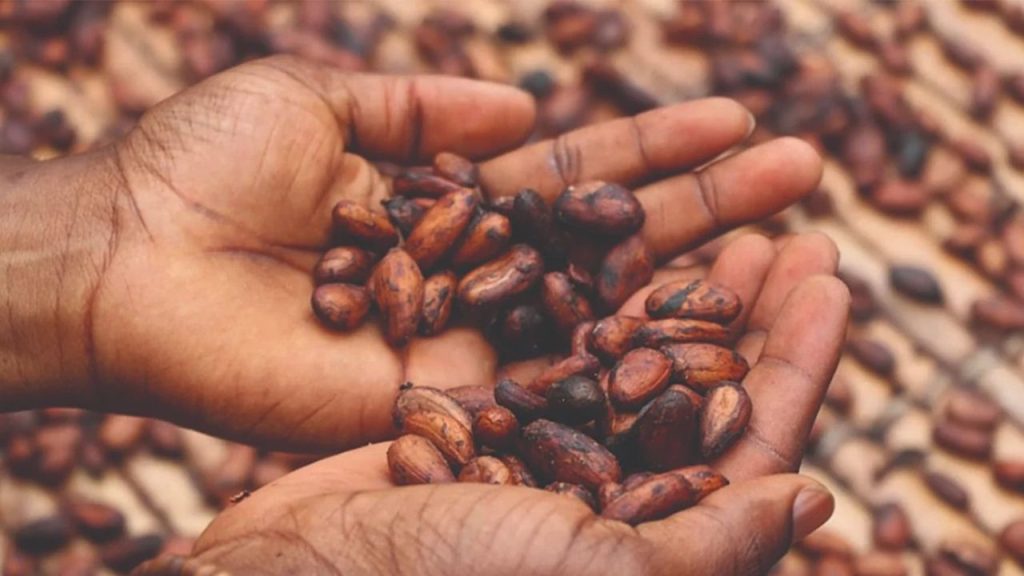
Africa powers the global chocolate industry, but captures only a fraction of its rewards. That imbalance is becoming harder to ignore as the global cocoa and chocolate market expands rapidly, unlocking billions in value that largely bypass the continent where the raw material is grown.
For Nigeria and other cocoa producing nations in West Africa, the issue is no longer just agricultural productivity. It is about who owns the value chain and who benefits from it.
A Growing Industry Africa Doesn’t Fully Benefit From
Global demand for chocolate is rising steadily, driven by expanding middle class populations, shifting consumer preferences, and growing interest in premium and dark chocolate products. From Europe to Asia, consumption is diversifying, and the industry is evolving beyond basic confectionery into lifestyle and wellness segments.
Yet, despite producing the bulk of the world’s cocoa, African countries remain largely absent from the most profitable stages of the value chain, including processing, branding, and retail.
This disconnect defines what many analysts describe as Africa’s cocoa paradox:
high production, low value capture.
Nigeria’s Untapped Potential
Nigeria is among the world’s leading cocoa producers, but its role in the global market remains heavily skewed toward exporting raw beans.
This has real economic consequences.
By exporting unprocessed cocoa, the country effectively exports jobs, industrial growth, and long term revenue opportunities. Meanwhile, finished chocolate products, often produced in Europe or North America, are re imported at significantly higher prices.
The result is a cycle where:
- Farmers earn modest incomes
- Local industries remain underdeveloped
- The bulk of profits are realised offshore
For a country seeking to diversify its economy beyond oil, this represents a missed opportunity hiding in plain sight.
The Human Cost Behind the Supply Chain
At the heart of the cocoa economy are smallholder farmers, many of whom operate under difficult conditions with limited access to financing, technology, and stable pricing systems.
Despite the global scale of the chocolate industry, these farmers often see little of its financial upside.
This raises critical social and sustainability concerns:
- Persistent rural poverty, even in high production regions
- Limited incentives for younger generations to remain in agriculture
- Vulnerability to price shocks and climate risks
Without meaningful improvements in income and working conditions, the long term sustainability of cocoa production itself is at risk.
Climate Pressure Is Reshaping the Industry
Cocoa farming is increasingly exposed to climate related risks, including rising temperatures, erratic rainfall, and the spread of pests and diseases.
West Africa, which accounts for a significant share of global cocoa supply, is particularly vulnerable.
These pressures are forcing global industry players to rethink sourcing strategies, invest in climate resilience, and enforce stricter sustainability standards across supply chains.
For Nigeria, this presents a dual challenge:
- adapt to climate realities
- meet evolving global compliance requirements
But it also creates an opening to reposition its cocoa sector if the right investments are made.
Why Value Addition Is the Real Opportunity
The most profitable segments of the cocoa industry lie beyond farming.
Processing cocoa into butter, powder, and finished chocolate products significantly increases its value. Branding and distribution add even more.
Countries that dominate these stages control pricing, market access, and consumer relationships.
For Nigeria, moving into these areas could:
- Create jobs in manufacturing and logistic
- Strengthen local industries
- Increase export earnings
- Reduce dependence on volatile commodity markets
However, this transition requires more than ambition. It demands coordinated action across policy, finance, and infrastructure.
What Needs to Change
To shift from a raw commodity exporter to a value added player, Nigeria must address structural gaps in its cocoa ecosystem.
- Investment in Processing Infrastructure
Local processing capacity remains limited. Expanding it would allow more cocoa to be transformed domestically before export.
- Access to Finance for SMEs
Small and medium scale processors and chocolate brands often struggle to access funding. Supporting them could unlock innovation and local entrepreneurship.
- Stronger Farmer Support Systems
Improving yields, income stability, and climate resilience at the farm level is essential to sustaining the entire value chain.
- Policy Alignment and Incentives
Government policies must actively encourage value addition through tax incentives, export support, and industrial development strategies.
- Regional Trade Opportunities
Frameworks like the African Continental Free Trade Area offer a pathway to build regional chocolate markets, reducing reliance on exports to Europe.
A Defining Moment for Africa’s Cocoa Future
The global chocolate market is expanding, but so is competition and the standards required to participate in it.
Africa’s dominance in cocoa production alone is no longer enough.
The real question is whether countries like Nigeria can move up the value chain fast enough to capture a fair share of the industry they sustain.
Because if the current structure remains unchanged, Africa will continue to supply the raw material for a booming global market while others capture its wealth.
The National Cocoa Management Committee (NCMC), established in 2022 to revive Nigeria’s cocoa sector, is driving reforms in production, farmer incomes, and sustainability.
The Bottom Line
For Nigeria, cocoa is more than an agricultural commodity. It is a test case for a broader economic shift from exporting raw resources to building value driven industries.
The opportunity is clear.
The risks are growing.
What remains uncertain is how quickly the country can act.
Further reading: Orange Cocoa is Boosting Sustainability in the Cocoa Industry
[give_form id="20698"]