Nigeria’s Renewable Energy Boom Creates New Sustainability Test as Stakeholders Move to Tackle E-Waste
 GLORYANN OSANG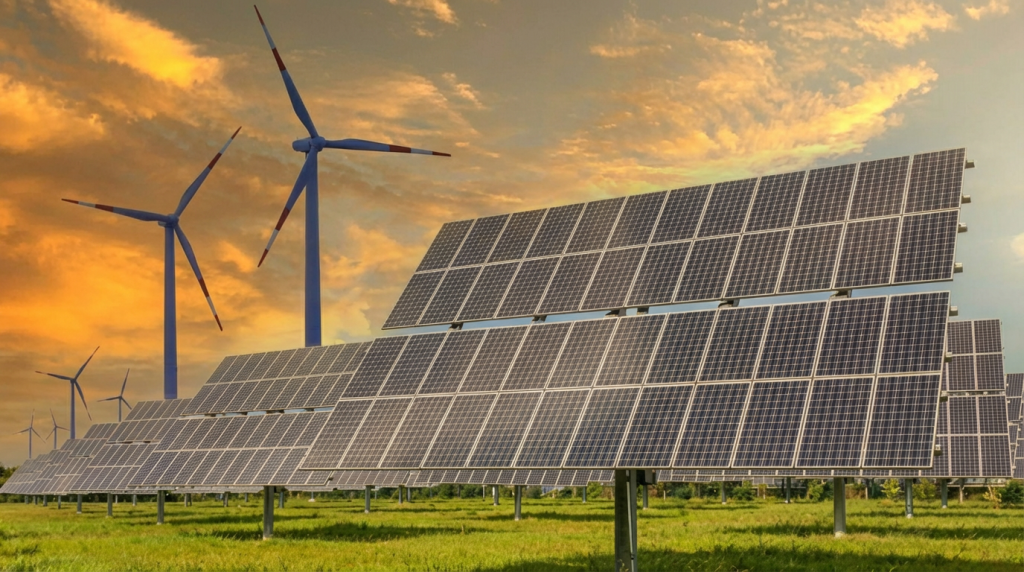
Nigeria’s push toward renewable energy is gaining momentum, but a new environmental challenge is emerging alongside the country’s clean-energy ambitions: what happens to solar panels, batteries, inverters and other renewable-energy equipment when they reach the end of their useful lives?
That question is now attracting greater attention as the United Nations Industrial Development Organization (UNIDO), the E-waste Producers Responsibility Organisation Nigeria (EPRON) and E-Terra Technologies Limited explore collaboration on the responsible management of renewable-energy e-waste.
The discussions followed a visit by UNIDO and EPRON representatives to E-Terra’s Materials Recovery and Recycling Facility in Abule-Ado, Lagos, where stakeholders examined approaches for recovering and recycling renewable-energy equipment at the end of its life cycle. The engagement was reported in September 2026.
The development highlights an increasingly important dimension of Nigeria’s energy transition: clean energy cannot be considered fully sustainable if the waste generated by its infrastructure is left unmanaged.
The Overlooked Side Of The Energy Transition
Nigeria’s renewable-energy expansion is being driven by the need for more reliable electricity, greater energy access and reduced dependence on conventional energy sources. Solar technology in particular has become increasingly important for households, businesses and communities seeking alternatives to unreliable grid supply.
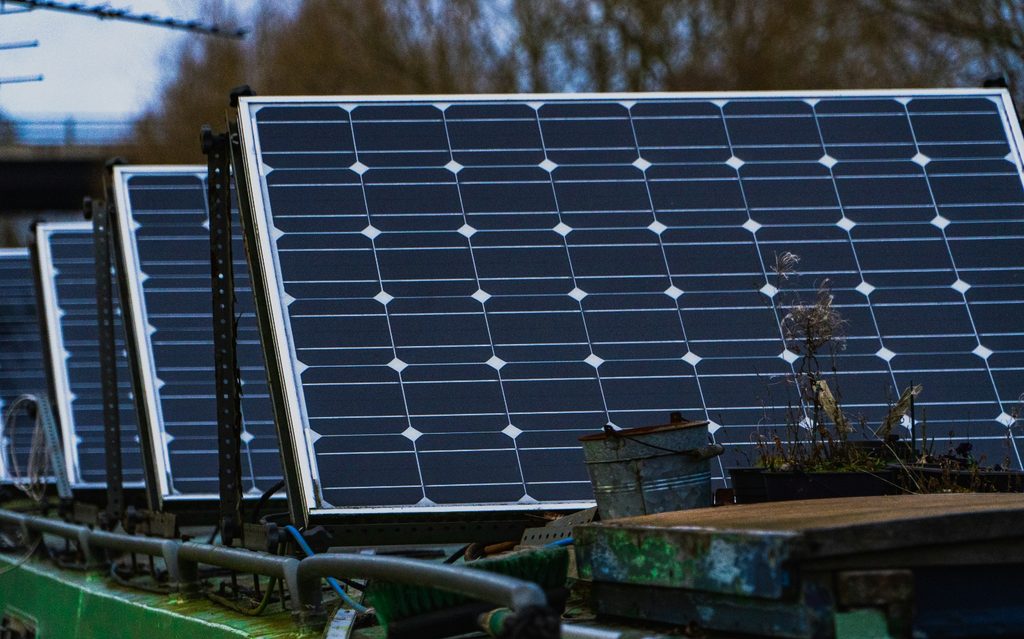
But every renewable-energy system has a life cycle. Solar panels eventually become obsolete or damaged. Batteries lose their storage capacity. Inverters and other electronic components can fail and require replacement.
Without appropriate collection, take-back and recycling systems, these materials can enter the wider waste stream, creating environmental risks while also allowing potentially valuable materials to be lost.
That is why the emerging conversation around renewable-energy e-waste is significant. It shifts the sustainability discussion from simply how quickly Nigeria can deploy clean-energy technologies to whether the country can manage those technologies responsibly throughout their entire life cycle.
Building A Circular Economy Around Clean Energy
The stakeholders are looking at areas including collection, take-back systems, material recovery, recycling and environmentally sound treatment of renewable-energy equipment.
EPRON Executive Director Ibukun Faluyi stressed the need to prepare for the waste streams that will accompany increasing renewable-energy adoption, while emphasising collaboration in building an effective Extended Producer Responsibility and circular-economy framework around the materials.
For Nigeria, such a framework could help create a more structured pathway for equipment that has reached the end of its useful life—from collection and transportation through recovery, recycling and responsible disposal.
It could also help strengthen the country’s developing recycling industry by creating demand for specialised recovery services and encouraging businesses to view discarded renewable-energy equipment not merely as waste, but as a potential source of recoverable materials.
Sustainability Beyond Installation
The issue raises an important question for businesses and organisations investing heavily in renewable energy: What happens after installation? Sustainability cannot stop once a solar system begins generating electricity.
Companies deploying renewable-energy infrastructure will increasingly need to consider maintenance, replacement, collection and end-of-life management as part of the environmental footprint of their projects.
This is particularly important for organisations pursuing ESG commitments. Responsible end-of-life management can become part of a broader sustainability strategy that addresses resource efficiency, waste reduction and circularity rather than focusing exclusively on carbon reduction.
For producers and importers, stronger Extended Producer Responsibility mechanisms could also encourage greater accountability across the life cycle of renewable-energy products.
Nigeria Has An Opportunity To Get Ahead Of The Problem
The emerging collaboration comes at an important point for Nigeria’s energy transition. Rather than waiting for renewable-energy waste to become a major environmental problem, the country has an opportunity to establish collection and recycling systems while the sector continues to grow.
The experience could also become relevant beyond Nigeria. As solar power and battery technologies expand across Africa, other countries will face similar questions about how to manage equipment that eventually reaches the end of its operational life.
For UNIDO, EPRON and E-Terra, the latest engagement represents an early step toward addressing that challenge. The stakeholders have identified the need for effective collection, take-back, material recovery, recycling and environmentally sound treatment to prevent improper disposal, burning and informal dismantling.
Turning A Waste Challenge Into A Sustainability Opportunity
Nigeria’s renewable-energy transition is ultimately about more than installing solar panels or deploying batteries. It is about building an energy system that remains environmentally and economically sustainable throughout its entire life cycle.
If the country can develop effective systems for recovering renewable-energy equipment, it could reduce future environmental risks while creating opportunities for recycling businesses, green jobs, resource recovery and innovation.
The real measure of Nigeria’s clean-energy transition, therefore, may not only be how much renewable energy the country can generate, but how responsibly it manages the technologies that make that transition possible.
The growing attention to renewable-energy e-waste offers Nigeria a chance to address that question early, and potentially turn tomorrow’s discarded solar panels, batteries and inverters into part of today’s circular-economy opportunity.
Stay with CSR Reporters for more stories on Nigeria’s energy transition, sustainability and the circular economy.
[give_form id="20698"]