


 csrreporters
Growing Pressure on Africa’s Water Systems
Across Africa, concerns about water access are intensifying as climate pressures and infrastructure gaps collide. While an estimated 2.2 billion people globally still lack access to safe drinking water, the situation on the continent reflects deeper structural challenges. As a result, recent developments in South Africa have drawn renewed attention to the risk of a broader regional water crisis.
In many parts of South Africa, residents report a troubling reality where dams remain relatively full, yet water does not reach households consistently. This contradiction highlights underlying inefficiencies in distribution systems rather than absolute scarcity. Consequently, the issue has shifted from availability to management and governance.
At the same time, similar patterns are emerging across other African countries. Urban growth, climate variability, and aging infrastructure continue to strain already fragile systems. Therefore, the conversation is gradually moving toward long term resilience rather than short term fixes.
Infrastructure Gaps and Management Challenges
A major factor behind South Africa’s water challenges is failing infrastructure. Reports indicate that a significant portion of water treatment facilities are in poor condition, which limits their ability to deliver safe and reliable supply. As a result, billions of litres of untreated or poorly treated wastewater are discharged into rivers and oceans.
In addition, water losses due to leakages remain a persistent issue. In some areas, a substantial share of treated water never reaches end users because of damaged pipelines and poor maintenance practices. Consequently, even available resources are not used efficiently.
Financial and administrative challenges also play a role. Delays in funding approvals and weak oversight structures often slow down critical repairs and upgrades. Therefore, the crisis reflects not only environmental pressure but also governance limitations.
Climate Change and Rising Demand
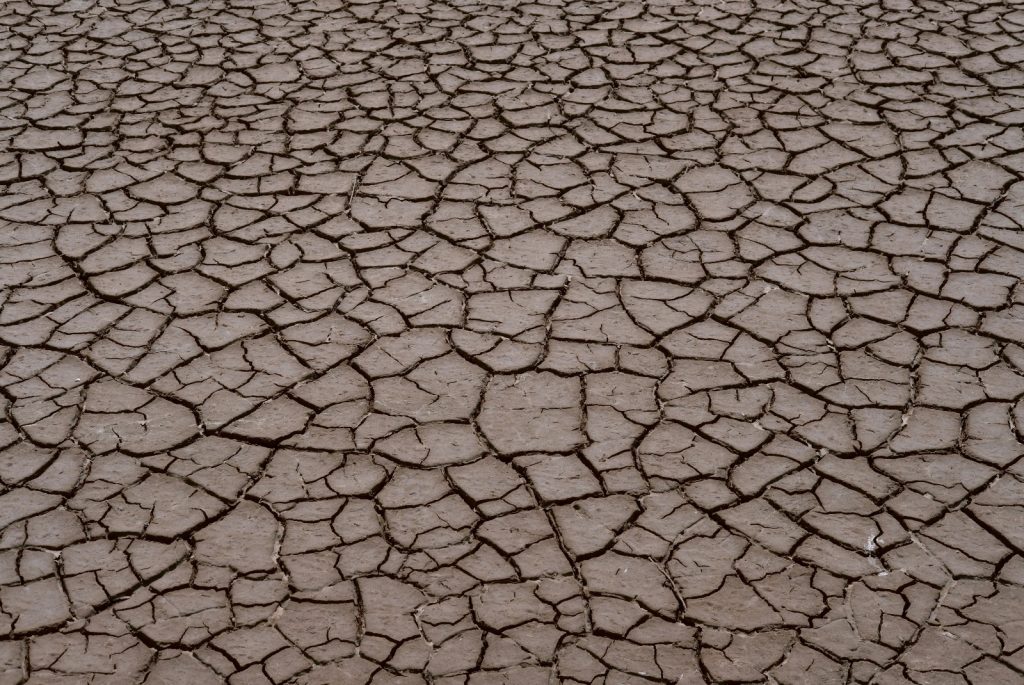
Climate change continues to intensify water stress across the continent. In South Africa, recurring droughts since 2015 have reduced dam levels and disrupted supply patterns. As a result, water security has become increasingly unpredictable.
At the same time, population growth is placing additional pressure on limited resources. Urban centers are expanding rapidly, and demand for water is rising across households, agriculture, and industry. Consequently, existing systems are struggling to keep up.
Water consumption habits also contribute to the problem. Studies show that average usage levels in South Africa exceed global benchmarks. Therefore, conservation efforts and behavioral change are becoming essential components of any long term solution.
Social Impact and Community Strain
The human impact of water shortages is becoming more visible. In affected communities, residents often go days or even weeks without reliable access to clean water. As a result, daily routines such as cooking, cleaning, and schooling are disrupted.
In some cases, alternative supply systems have emerged, including water tankers and private vendors. However, these solutions can introduce new challenges related to cost, access, and accountability. Consequently, inequalities in water access are becoming more pronounced.
There are also growing concerns about informal or unregulated supply chains. Reports from South Africa suggest that some groups may be exploiting the crisis for financial gain. Therefore, ensuring transparency and fairness in distribution remains critical.
Africa’s Broader Sustainability Challenge
The situation in South Africa reflects a wider sustainability challenge across Africa. Water access is no longer just a service delivery issue but a critical development concern. As a result, it is increasingly linked to health, economic productivity, and social stability.
From a CSR and ESG perspective, water management is gaining importance. Investors and stakeholders are paying closer attention to how governments and companies manage natural resources. Consequently, transparency and accountability are becoming key expectations.
This shift is influencing how businesses plan and execute infrastructure projects. Long-term impact, rather than short-term output, is gradually becoming the focus. Therefore, water governance is now part of a broader sustainability conversation.
Lessons and Signals for Nigeria
While Nigeria has a different water access structure, there are important lessons to consider. Many Nigerian households, largely decentralize water supply, with boreholes and wells serving as primary sources. As a result, reliance on public water systems is less widespread than in some other countries.
Additionally, recent reports from Abuja suggest that communities relying on government supply are facing growing challenges. Areas such as Gwagwa, Jiwa, and parts of Maitama have experienced prolonged shortages. Consequently, residents have turned to alternative and sometimes unsafe water sources.
This contrast highlights a key issue. While private solutions provide some resilience, they also mask systemic weaknesses in public infrastructure. Therefore, the need to strengthen centralized water systems remains important.
Practical Pathways to Improve Water Access
Addressing water challenges across Africa will require coordinated and sustained efforts. First, investment in infrastructure must be prioritized, particularly in upgrading treatment plants and repairing distribution networks. This will help reduce losses and improve reliability.
Second, governance frameworks need to be strengthened to ensure accountability and efficiency. Transparent funding processes and clear oversight mechanisms can support better outcomes. Consequently, public trust in water systems can improve over time.
Third, conservation efforts should be encouraged through public awareness and policy incentives. Educating citizens about efficient water use can reduce unnecessary consumption. In addition, pricing mechanisms can promote responsible usage without limiting access.
Technology also offers opportunities for improvement. Digital monitoring systems can help detect leaks, track usage, and optimize distribution. Therefore, integrating technology into water management can enhance both efficiency and sustainability.
A Shared Responsibility Across Stakeholders
Water security in Africa will depend on collaboration between governments, private sector players, and communities. Each group has a role to play in ensuring sustainable access to this essential resource. As a result, collective action is necessary.
Companies operating in water intensive sectors are increasingly expected to adopt responsible practices. This includes managing usage, protecting local ecosystems, and supporting community access. Consequently, CSR strategies are evolving to include water stewardship.
At the same time, governments must create enabling environments for sustainable investment. Clear policies and consistent implementation can attract funding and innovation. Therefore, leadership remains a critical factor.
The Road Ahead for Water Sustainability
The current water challenges across Africa highlight the urgency of long term planning. While immediate interventions are necessary, sustainable solutions will require systemic change. As a result, the focus must remain on resilience and adaptability.
In Nigeria, strengthening public water systems alongside existing private solutions could provide a more balanced approach. This would ensure that all communities, regardless of income level, have access to safe and reliable water. Consequently, risks associated with informal sources can be reduced.
Ultimately, water is a shared resource that underpins health, development, and stability. Addressing current challenges will require commitment, innovation, and accountability. Therefore, the path forward must be both practical and inclusive.
[give_form id="20698"]