


 csrreporters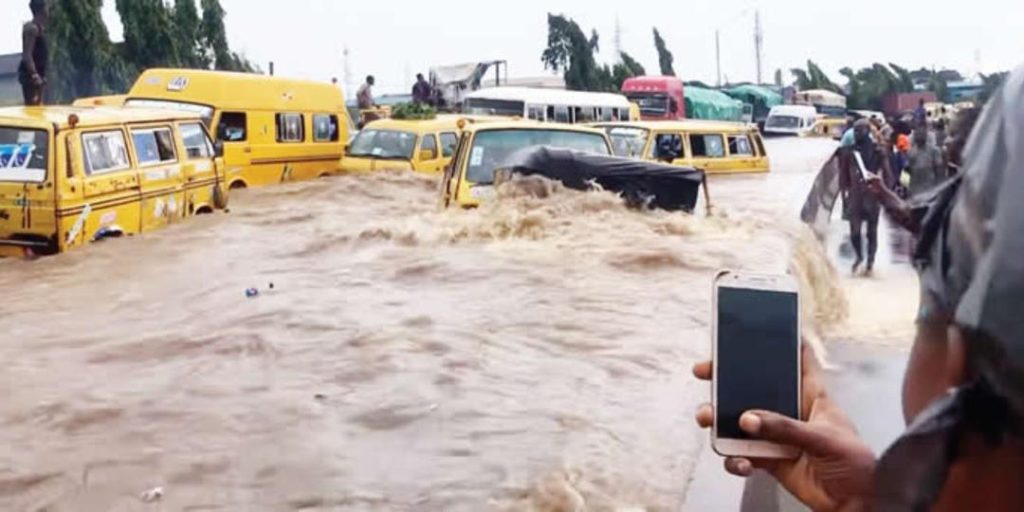
Flooding Usually Accompanies Heavy Rainfall
Nigeria’s 2026 rainy season is approaching with clear signals that it may be more intense and longer than usual. Recent projections from the Lagos State Government indicate above normal rainfall across the state, while the Nigerian Meteorological Agency (NiMet) has also warned of variable rainfall patterns, prolonged dry spells, and warmer temperatures nationwide.
More importantly, Lagos is expected to experience rainfall between 1650mm and 3030mm, with early onset from late March and a delayed end in early December. As a result, the rainy season will not only last longer but may also bring stronger winds, flash floods, and increased pressure on already stretched urban infrastructure.
Therefore, this moment calls for more than awareness. It requires practical action from individuals and structured planning from businesses. At the same time, it presents a critical opportunity to strengthen Corporate Social Responsibility and Environmental, Social, and Governance practices across Nigeria.
Understanding the 2026 Rainfall Outlook
To begin with, the science behind the forecast points to a weak La Niña phase combined with neutral El Niño conditions. Consequently, this combination typically leads to earlier rainfall onset, increased rainfall volume, and delayed cessation.
In Lagos specifically, areas like Ikeja, Ikorodu, and Lagos Island are expected to see rainfall begin around the end of March and continue into December. Meanwhile, coastal and low-lying communities remain particularly vulnerable due to rising lagoon levels and tidal lockup, which can prevent proper drainage.
Furthermore, NiMet has emphasized that climate variability is no longer an abstract concept. Instead, it is actively shaping agriculture, infrastructure, aviation, and public health outcomes. Because of this, rainfall patterns are becoming less predictable, even when forecasts provide general guidance.
A Season That Tests Readiness and Responsibility
The 2026 rainy season highlights a deeper issue. Climate resilience is no longer optional for responsible organizations. Rather, it is becoming a core expectation under ESG frameworks.
First, environmental responsibility now includes climate adaptation, not just mitigation. Companies are increasingly expected to prepare for extreme weather events and reduce their exposure to climate-related risks.
Second, the social dimension is equally important. Flooding, displacement, and infrastructure damage directly affect employees, customers, and host communities. Therefore, organizations that fail to prepare may face both operational disruptions and reputational consequences.
Finally, governance plays a critical role. Transparent risk planning, compliance with environmental regulations, and alignment with national climate data are now essential indicators of responsible leadership.
Practical Tips for Individuals
While government agencies continue to strengthen early warning systems, individual actions remain a powerful first line of defense.
1. Stay Informed and Act Early
Firstly, follow verified weather updates from NiMet and state agencies. Early information allows households to prepare before heavy rains begin.
2. Keep Drainage Areas Clear
Blocked drainage systems significantly increase flood risk. Therefore, residents should regularly clear gutters around their homes and avoid dumping waste in canals.
3. Prepare Emergency Essentials
In addition, households should keep basic emergency items such as clean water, flashlights, power banks, and essential medications. These items can make a major difference during temporary disruptions.
4. Plan for Mobility Disruptions
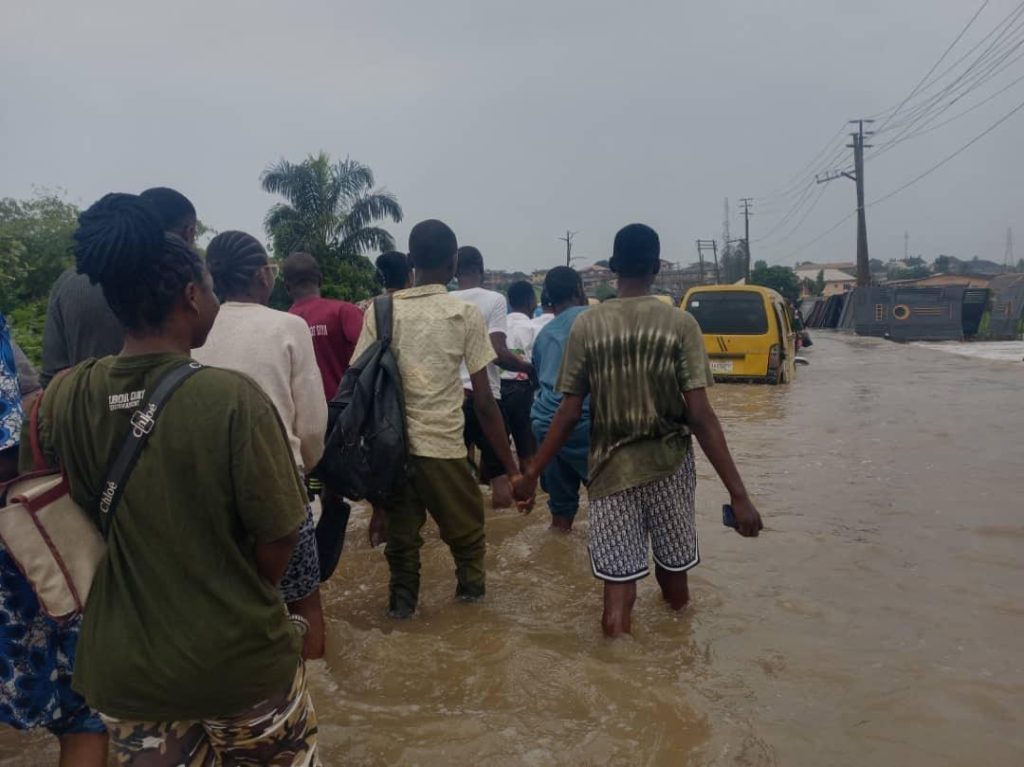
Flooding often affects transportation routes. As a result, individuals should identify alternative routes and avoid unnecessary travel during heavy rainfall.
5. Protect Homes and Property
Simple actions such as elevating electrical appliances and securing loose outdoor items can reduce damage during storms and floods.
Practical Tips for Companies
For businesses, the stakes are significantly higher. However, proactive planning can reduce risks while strengthening ESG credibility.
1. Integrate Climate Risk into Business Strategy
To start with, companies should assess how flooding and extreme weather could disrupt operations. This includes supply chains, logistics, and physical infrastructure.
2. Strengthen Workplace Safety Measures
Employee safety must remain a priority. Therefore, organizations should develop clear safety protocols for severe weather conditions, including remote work options when necessary.
3. Audit Infrastructure and Facilities
Evaluate buildings and operational sites for flood resilience. In many cases, minor upgrades such as improved drainage or waterproofing can prevent costly damage.
4. Support Host Communities
CSR initiatives can be aligned with seasonal risks. For example, companies may support community drainage clearing, awareness campaigns, or emergency response efforts without turning such actions into promotional campaigns.
5. Ensure Regulatory Compliance
At the same time, compliance with environmental and safety regulations is critical. Agencies have already been placed on alert to monitor structures like billboards and masts due to expected strong winds.
6. Build Data-Driven Response Systems
Organizations should also leverage climate data and early warning systems to guide decision-making. This approach improves both preparedness and response time.
The Role of Collective Responsibility
Although government efforts have intensified, long-term resilience depends on collective action. Public systems can only function effectively when individuals and organizations play their part.
For instance, indiscriminate waste disposal continues to block drainage channels, thereby worsening flood risks. Similarly, illegal construction along waterways reduces the natural capacity for water flow.
These challenges cannot be solved by policy alone. Instead, they require consistent behavioral change supported by awareness and accountability.
From Reaction to Resilience
The 2026 rainy season should not be viewed as a temporary challenge. Rather, it reflects a broader shift in Nigeria’s climate reality.
On one hand, improved forecasting systems and early warning mechanisms show progress. On the other hand, recurring flood risks highlight gaps in urban planning, infrastructure, and environmental management.
Therefore, the real opportunity lies in moving from reactive responses to proactive resilience. Businesses that embed climate preparedness into their ESG strategies will be better positioned to navigate future uncertainties. Likewise, individuals who adopt responsible environmental practices will contribute to safer and more resilient communities.
A Defining Moment for Climate Readiness
As Nigeria prepares for months of above normal rainfall, the message is clear. Preparedness is no longer optional, and responsibility is shared across all levels of society.
Individuals must act with awareness and discipline. Companies must plan with foresight and accountability. Meanwhile, institutions must continue to strengthen systems that protect lives and livelihoods.
Ultimately, the 2026 rainy season will test not just infrastructure, but also the depth of Nigeria’s commitment to sustainable and responsible development.
[give_form id="20698"]