


 csrreporters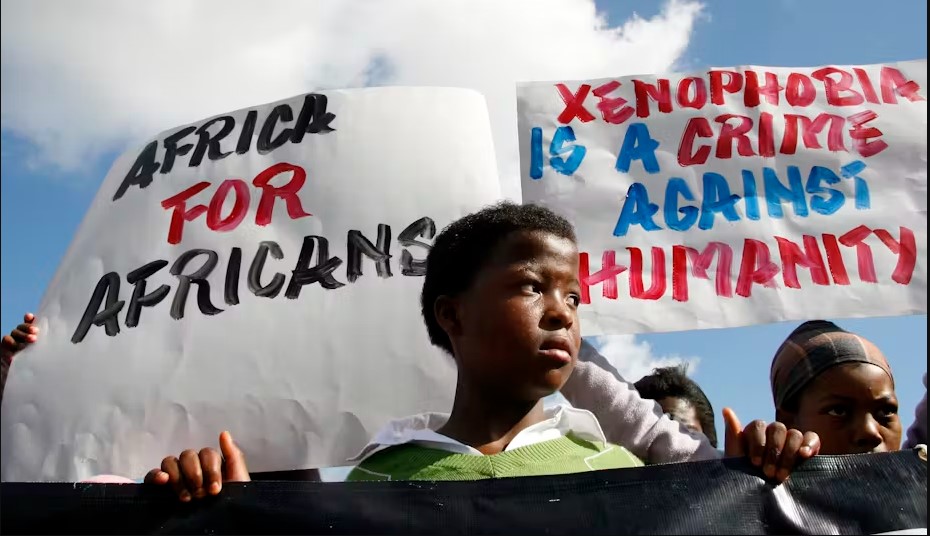
Xenophobia undermines CSR principle of human rights
Nigeria’s reputation continues to pose a troubling concern, one that goes beyond image to produce harsh consequences for its citizens abroad, harassment, discrimination, and even loss of lives in different parts of the world.
To state it like it really is: These outcomes underline the importance of values, governance, and the collective responsibility of nations to project their people with dignity.
CSR REPORTERS notes that the July 29 protests in Ghana, where some citizens called for Nigerians to leave, reflected not just a diplomatic setback but a failure of regional solidarity. History echoes here from the Aliens Compliance Order of 1969 that forced out Nigerians in Ghana, to the “Ghana Must Go” episode of 1983 in Nigeria. Once again, it is a reminder of how fragile inter-country relations become when social cohesion, respect, and inclusiveness are absent.
The accusations fueling the latest “Nigerians must go” protests ranging from kidnappings to ritual crimes, show how stereotypes can poison relationships, stigmatize whole populations, and deepen divides. Ironically, one of the triggers, a video of an alleged 2013 comment about creating an Igbo village in Ghana, had long been abandoned. Yet, in the absence of dialogue and fact-checking, misinformation has continued to fuel hostility.
The pattern is repeated elsewhere. From the 2019 closure of 1,000 Nigerian shops by the Ghana Union of Traders, to xenophobic attacks in South Africa that have cost lives and livelihoods since the late 1990s, Nigerians abroad have been made to pay for the failings of their homeland’s governance. With over 120 Nigerians reportedly killed in South Africa since 2019, the CSR principle of human rights and the UN Sustainable Development Goal of “Peace, Justice, and Strong Institutions” are starkly undermined.
In Libya, humiliation reached even the national football team when the Super Eagles went without food or water before a qualifier in October 2024. In Burkina Faso, the killing of 16 Nigerian pilgrims in 2023 was another tragic blot. The visa bans imposed by the UAE in 2021 and 2022, citing crime and cultism, further deepened the isolation of Nigerians abroad. Though lifted in 2024, it reinforced the urgency of rebuilding trust through stronger diplomacy and collective responsibility.
Nigeria once commanded admiration on the global stage. Today, neglect of values, corruption, and lack of accountability have created the opposite reality. While leaders live in excess, millions struggle with hunger, crumbling schools, failing hospitals, collapsing infrastructure, and unstable power supply. Such imbalance not only weakens national morale but also shapes the way Nigerians are perceived and treated abroad.
Sustainability begins at home. The mass migration of Nigerians fleeing broken systems illustrates the failure of social investments and responsible leadership. Worse still, some migrants, having grown up in lawless environments, struggle to adapt to societies that demand accountability, reinforcing negative stereotypes about Nigeria.
There is a pressing need for national re-orientation, a CSR of citizenship, where every Nigerian becomes an ambassador of integrity, discipline, and respect for law. For this to happen, President Bola Tinubu must urgently appoint ambassadors and strengthen Nigeria’s missions abroad. Since their recall in 2023, the vacuum has left Nigerians defenseless in the battle of narratives. Proper representation can project the positive contributions of Nigerians globally, counter stereotypes, and rebuild trust.
With visionary leadership and deliberate investment in good governance, Nigeria can reassert her dignity. Citizens can regain respect, and hostility abroad can give way to partnership. The United Nations, too, has a responsibility to call for restraint and uphold global justice. For Nigeria, this is not just about foreign relations, it is about sustainability, equity, and the duty of care that every government owes its people.
Your brand story deserves a stage and #SISA2025 is it. Join us Nov 28, Muson Centre Lagos. For sponsorships, partnerships & participation: EMAIL: sisa@csrreporters.com | enquiries@csrreporters.com CALL: +2349136779152 | +234804012198 | +2349093555449
[give_form id="20698"]