csrreporters
Concerns have been growing in Bille Community, Rivers State, following reports of gas bubbling in water sources and surrounding areas. Residents first noticed the unusual activity alongside a strong sulphurous smell, which has since triggered anxiety about safety and health. As a result, the situation has drawn attention from regulators, civil society groups, and the wider public.
The Nigerian Upstream Petroleum Regulatory Commission has responded by reassuring residents that a full investigation is underway. According to the agency, the development raises important questions about environmental safety and community wellbeing. Consequently, authorities have moved quickly to assess the scale and potential impact of the incident.
At the same time, the issue reflects a broader pattern of environmental concerns in oil producing regions. Communities in the Niger Delta have historically reported similar risks linked to energy infrastructure. Therefore, the latest development has renewed conversations about oversight and long term sustainability.
Investigation Begins Amid Uncertainty
Following notification of the incident, the regulator activated a coordinated technical investigation process. This effort aims to determine the source of the gas seepage and assess both immediate and long term risks. In addition, the process involves collaboration with multiple stakeholders to ensure credible findings.
Preliminary observations suggest that the bubbling gas may be linked to subsurface geological activity. However, officials have noted that the exact cause remains uncertain at this stage. As a result, detailed geotechnical and geological analyses are ongoing.
Importantly, authorities have emphasized that all actions will align with established industry standards and global best practices. This approach is expected to guide both the investigation and any eventual response measures. Therefore, the process is likely to take time as more data is collected and reviewed.
Community Impact and Safety Concerns
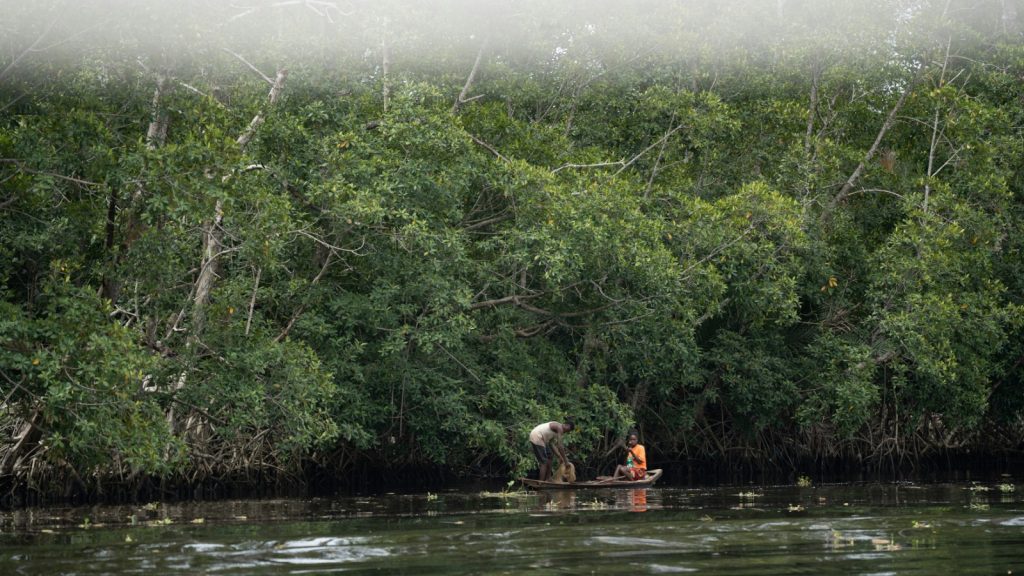
For residents of Bille Community, the incident has raised immediate concerns about health and safety. Reports indicate that some areas have experienced expanding gas seepage, while others have noted unusual environmental changes. Consequently, anxiety levels within the community have increased.
In addition, there have been claims that the gas may be affecting water sources and local air quality. Some residents have also described symptoms such as discomfort and illness, particularly among vulnerable groups. Therefore, the need for timely intervention has become more urgent.
Authorities have urged residents to remain calm while adhering to safety directives and public health advisories. This guidance is intended to reduce risk while investigations continue. At the same time, community cooperation has been acknowledged as an important part of the response effort.
Civil Society Calls for Swift Action
Meanwhile, the Amnesty International Nigeria has called for a faster and more transparent investigation. The group has warned that the reported gas leaks could pose serious risks to human health and the environment if left unresolved. As a result, it has urged both government agencies and industry operators to act decisively.
According to the organization, the scale of the reported leaks appears to be expanding across multiple locations. This trend has heightened concerns about potential contamination and long term environmental damage. Therefore, stakeholders are being encouraged to prioritize both urgency and accountability.
In addition, calls have been made for oil and gas companies operating in the region to cooperate fully with investigators. Even where ownership structures have changed, responsibility for environmental impact remains a key issue. Consequently, collaboration across public and private sectors is seen as critical.
Regulatory Oversight and Environmental Accountability
The regulator has reiterated its commitment to transparency throughout the investigation process. Updates are expected to be shared as new findings emerge, providing clarity to both the community and the public. This approach aims to build confidence while managing expectations.
Furthermore, monitoring efforts are being strengthened to track any changes in the situation. Data collected from the field will help inform both immediate actions and longer term strategies. As a result, authorities can respond more effectively to evolving risks.
The involvement of multiple agencies also highlights the complexity of the issue. Environmental, health, and technical factors must all be considered. Therefore, a coordinated approach remains essential.
What This Means for Nigeria’s Energy Landscape
The incident has once again highlighted the challenges associated with environmental management in oil producing regions. While investigations are still ongoing, questions around infrastructure integrity and oversight have resurfaced. Consequently, attention has shifted toward long standing issues within the sector.
At the same time, global trends are placing greater emphasis on environmental accountability. Investors and stakeholders increasingly expect companies and regulators to demonstrate transparency and responsibility. Therefore, incidents like this carry implications beyond the immediate community.
In Nigeria, these expectations are gradually influencing corporate behavior and reporting practices. Although the shift may not always be visible, it is shaping how risks are managed and communicated. As a result, sustainability considerations are becoming more integrated into business operations.
Next Steps as Investigation Continues
As investigations continue, the priority remains the safety and well being of the Bille Community. Authorities have pledged to identify the root cause and implement appropriate measures. In addition, efforts are being made to prevent similar occurrences in the future.
However, the outcome of the investigation will be closely watched by multiple stakeholders. It may influence not only regulatory actions but also broader conversations about environmental responsibility. Therefore, the findings could have lasting implications.
For now, the situation underscores the importance of vigilance, transparency, and collaboration. These elements will be essential in addressing current challenges and building resilience. Ultimately, they will also shape how similar incidents are managed going forward.
[give_form id="20698"]