csrreporters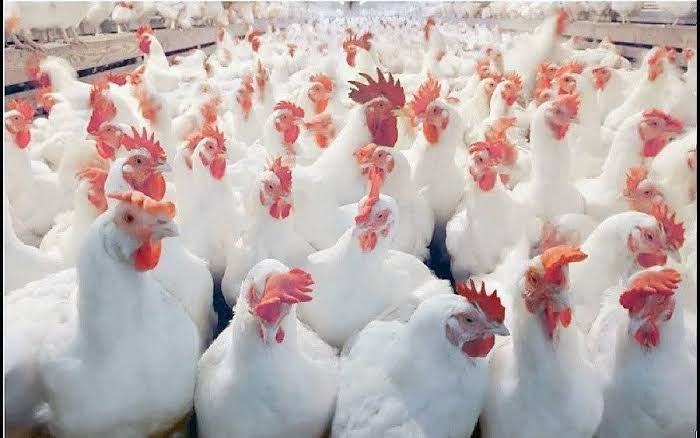
Nigeria is taking a significant step toward sustainable agriculture and community empowerment through the National Integrated Poultry Project (NIPP), under the Nigeria-China Strategic Partnership (NCSP). With a $1 billion investment, the initiative aims to boost local poultry production, reduce dependency on imports, and make nutritious food more affordable, while creating opportunities for smallholder farmers and local businesses. (Poultry World)
Strengthening Food Security and Local Production
The project takes a holistic approach, addressing every stage of the poultry value chain—from feed production and hatcheries to farms, processing facilities, and distribution networks. Pilot programs in Enugu, Kaduna, and Oyo States are already underway, with nationwide expansion planned by 2027. This initiative ensures that eggs and poultry meat are produced locally and sustainably, contributing to national food security and stability.
Tackling Key Challenges
One of the biggest hurdles for Nigerian poultry farmers has been the high cost and limited availability of feed. NIPP’s integrated farming model combines poultry production with large-scale maize and soybean cultivation, providing a steady, sustainable feed supply. This not only reduces production costs but also helps smallholders increase profitability and resilience.
Empowering Communities and Small Businesses
Beyond production, the initiative focuses on human and community development. Farmers and local agribusiness operators benefit from subsidized feed, modern farming techniques, and training in agritech and poultry management. Scholarships and joint research programs support long-term capacity building, ensuring that skills and knowledge remain in Nigeria for future growth.
Experts argue that sustainable local production must be central to any long‑term CSR strategy, not just price relief, a topic explored further in CSR Reporters’ food security analysis
Job Creation and Economic Impact
The project is expected to support over seven million laying birds and two million broilers, producing up to six million eggs daily. It will create tens of thousands of direct jobs in farming and processing, with additional opportunities across supply chains including logistics, retail, and input distribution. For communities, this translates to improved nutrition, economic opportunity, and sustainable livelihoods.
A Step Toward Sustainable Growth
NIPP demonstrates how strategic partnerships can create lasting impact, not just in production, but in communities and local economies. By combining technology, training, and sustainable practices, the initiative exemplifies how agriculture can drive CSR, sustainability, and inclusive growth in Nigeria.
[give_form id="20698"]