csrreporters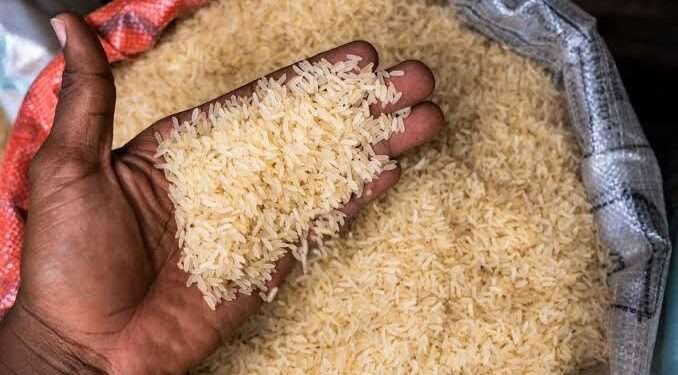
Nigeria’s agricultural sector is facing mounting pressure as rice imports continue to surge, driving down prices and leaving local farmers struggling to survive. While imported rice often sells for as low as ₦40,000 per bag, domestic producers must price their harvest between ₦60,000 and ₦65,000 to cover rising production costs. This imbalance has created an uneven playing field, forcing many farmers to abandon cultivation altogether.
The Acting Chairman of the All Farmers Association of Nigeria, Sakin Agbayewa, explained that the situation worsened after the Federal Government introduced and later renewed import duty waivers on rice and other essential commodities in 2024. These waivers, though intended to ease consumer access to food staples, have inadvertently weakened Nigeria’s push for agricultural self‑sufficiency.
The Human Cost of Market Imbalances
Behind the statistics lies a human story. For countless smallholder farmers, rice cultivation is not just a business but a lifeline. Families depend on seasonal harvests to pay school fees, access healthcare, and sustain rural communities. When imported rice floods the market at cheaper rates, local farmers lose income, and entire households face economic insecurity.
CSR advocates argue that this is more than a market issue, it is a matter of social justice. Supporting local farmers means protecting livelihoods, strengthening communities, and ensuring that Nigeria’s food systems remain resilient in the face of global shocks.
Climate Challenges and Rising Input Costs
Agbayewa also highlighted the compounding effects of climate variability and rising input costs. Inconsistent rainfall patterns and unpredictable weather cycles have disrupted cultivation, leaving farmers uncertain about planting and harvesting seasons. At the same time, fertiliser prices have soared due to global supply chain disruptions and geopolitical tensions.
For farmers already squeezed by cheap imports, these environmental and economic pressures make survival even harder. Without targeted interventions, Nigeria risks losing a generation of farmers who can no longer afford to stay in the business.
Implications for Food Security
The surge in rice imports raises critical questions about Nigeria’s long‑term food security. Dependence on foreign supply chains exposes the country to external shocks, from global price fluctuations to geopolitical conflicts. If local production continues to decline, Nigeria could find itself vulnerable to shortages and unable to guarantee affordable food for its citizens.
Dependence on imports also exposes deeper weaknesses in the food system. Even when local farmers succeed in producing rice, a significant portion is lost due to poor storage and handling. CSR Reporters has explored this challenge in [SUSTAINABLE AGRICULTURE! Ending Nigeria’s Post‑Harvest Losses], underscoring the urgent need for holistic solutions that go beyond pricing and trade policy.
CSR experts emphasize that food security is not just about availability but also about sustainability. A nation that neglects its farmers undermines its ability to feed itself in the future.
The Role of Policy and Corporate Responsibility
While government policies play a central role in shaping the agricultural landscape, corporate actors also have a responsibility to support local farmers. Import duty waivers may ease short‑term consumer costs, but they must be balanced with measures that protect domestic producers.
CSR‑minded organizations can step in by investing in farmer cooperatives, supporting climate‑smart agriculture, and creating fair trade channels that prioritize Nigerian rice. By aligning corporate strategies with social impact, businesses can help bridge the gap between profitability and sustainability.
This need for balance is reinforced by the [World Bank’s agriculture and food security initiative], which stresses that sustainable food systems depend on strong local production and resilient supply chains. For Nigeria, this means tackling both import pressures and systemic challenges to ensure farmers can thrive.
Building Sustainable Solutions
Several pathways exist to address the crisis:
- Policy Reform: Reconsidering import duty waivers and introducing protective measures for local farmers.
- Climate‑Smart Agriculture: Supporting innovations that help farmers adapt to changing weather patterns.
- Access to Affordable Inputs: Ensuring fertilisers and agro‑tools are available at fair prices.
- Corporate Partnerships: Encouraging businesses to source locally and invest in community‑based farming initiatives.
- Consumer Awareness: Promoting Nigerian rice as a sustainable choice that supports livelihoods.
Each of these solutions requires collaboration between government, private sector, and civil society.
A Call to Action for CSR Stakeholders
For CSR stakeholders, the rice import crisis is a reminder that sustainability is not abstract, it is rooted in the everyday struggles of farmers and communities. Corporate leaders, policymakers, and NGOs must recognize that protecting local agriculture is essential to achieving broader development goals, from poverty reduction to climate resilience.
Investing in Nigeria’s farmers is investing in the nation’s future. By prioritizing local production, stakeholders can ensure that agriculture remains a driver of economic growth, social stability, and environmental sustainability.
Conclusion
Rice imports may appear to offer short‑term relief for consumers, but the long‑term consequences are far more serious. As prices fall and production struggles, Nigeria’s farmers face existential threats that ripple across communities and the national economy.
CSR Reporters calls on stakeholders to act decisively. Protecting local farmers is not just an economic necessity — it is a moral imperative. By aligning policies and corporate strategies with sustainability, Nigeria can safeguard its food systems, empower its farmers, and secure a future where agriculture thrives as a cornerstone of national development.
[give_form id="20698"]