csrreporters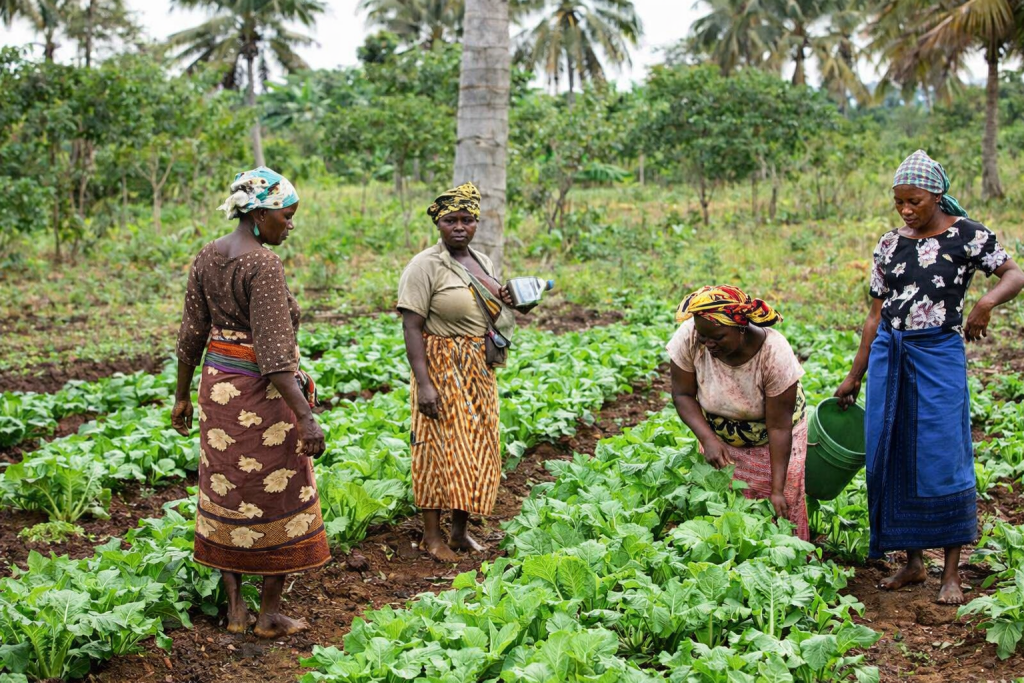
Nigeria has introduced its first-ever household climate change survey, marking a significant step toward strengthening national climate data systems and improving how climate impacts are understood at the household level. The initiative places a deliberate focus on gender, aiming to capture how climate change differently affects men and women across communities, livelihoods, and daily survival patterns.
The survey represents a shift from broad national climate assessments to more granular, people-centred data collection that reflects lived realities. By focusing on households, policymakers are expected to gain clearer insight into how climate-related events such as flooding, drought, rising temperatures, and environmental degradation are affecting food security, income stability, health, and access to basic services.
At the centre of the initiative is the recognition that effective climate action depends not only on global or national indicators, but also on how individuals and communities experience environmental change in their everyday lives.
Closing critical data gaps in climate planning
For years, one of the major challenges in Nigeria’s climate response has been the lack of disaggregated, household-level data that can guide targeted intervention. While national climate reports and environmental assessments exist, they often do not fully capture the uneven distribution of climate impacts across different regions, income groups, and gender categories.
The new household climate change survey is expected to address this gap by generating structured data that reflects how climate shocks affect real households. This includes how families cope with flooding in urban areas, how rural farmers respond to shifting rainfall patterns, and how rising temperatures influence livelihoods and productivity.
The introduction of this survey also signals a growing recognition within policy circles that climate change is not only an environmental issue but also a socio-economic and development challenge that directly shapes poverty, inequality, and vulnerability.
Gender at the centre of climate vulnerability
A defining feature of the survey is its gender-responsive design. By integrating gender-focused indicators, the initiative aims to highlight the differentiated impacts of climate change on men and women. This aligns with global frameworks such as the UNFCCC Gender and Climate Change, which emphasize the need for gender‑disaggregated data in climate policy.
In many communities across Nigeria, women play a central role in agriculture, food processing, water collection, and household energy management. These responsibilities place them at the frontline of climate impacts, particularly in rural and low-income settings where environmental stressors directly affect daily survival and income generation.
Flooding, for example, can disrupt trading activities and limit access to markets where women sell produce. Drought conditions can increase the time spent searching for water or fuel, reducing productivity and increasing physical burden. In agricultural communities, changing rainfall patterns can reduce crop yields, directly affecting household food security and income controlled or managed by women.
Despite these realities, gender-disaggregated climate data has often been limited, making it difficult to design policies that fully respond to the different vulnerabilities faced by men and women.
The household climate survey is expected to contribute to closing this gap by generating evidence that supports more inclusive climate planning and resource allocation.
From national policy to household realities
Climate policy in Nigeria has traditionally been shaped by national-level data, meteorological records, and sectoral projections. While these remain important, they do not always reflect how climate impacts are experienced at the community level.
The shift toward household-based climate data collection reflects a broader global trend in climate governance that prioritises inclusivity, resilience, and local context. By collecting data directly from households, policymakers can better understand coping mechanisms, adaptation strategies, and vulnerabilities that are often invisible in macro-level reporting.
This approach is particularly relevant for sectors such as agriculture, where smallholder farmers are highly exposed to climate variability. Understanding how households adjust planting cycles, manage crop failures, or diversify income sources can inform more responsive agricultural and social protection policies.
It also provides a stronger evidence base for designing targeted interventions in areas such as disaster response, climate finance allocation, and rural development planning.
Strengthening Nigeria’s climate data ecosystem
Beyond immediate policy applications, the survey is also expected to contribute to strengthening Nigeria’s broader climate data infrastructure. Reliable, consistent, and disaggregated data is a critical foundation for tracking progress on climate commitments and aligning national strategies with global frameworks such as the Paris Agreement and the Sustainable Development Goals.
By improving the quality and depth of climate-related data, the initiative can support better monitoring of adaptation efforts, vulnerability mapping, and long-term planning across sectors including agriculture, water resources, health, and urban development.
It also opens opportunities for collaboration between government institutions, research bodies, and development partners working in climate resilience and sustainability.
Implications for rural livelihoods and food security
One of the most significant expected outcomes of the household climate survey is its potential impact on food security planning. Nigeria’s agricultural sector remains highly dependent on rainfall and is therefore particularly vulnerable to climate variability.
Unpredictable weather patterns, prolonged dry seasons, and increased flooding have already affected crop production cycles in many parts of the country. These disruptions not only reduce yields but also increase production costs and reduce income stability for farming households.
By capturing household-level experiences, the survey can help identify specific adaptation challenges faced by farmers and rural communities. This may include access to irrigation, availability of climate-resilient seeds, storage challenges, and post-harvest losses linked to environmental conditions.
Such insights are essential for designing more effective agricultural policies and support systems that respond directly to on-the-ground realities.
Climate change as a social and economic issue
The introduction of a gender-focused household climate survey also reinforces a broader shift in how climate change is being understood in policy and development spaces. Increasingly, climate change is no longer viewed solely as an environmental concern, but as a driver of social inequality and economic vulnerability.
Household income stability, access to education, health outcomes, and migration patterns are all influenced by environmental changes. For example, families affected by repeated flooding may be forced to relocate, while rural households facing declining agricultural productivity may experience increased poverty or food insecurity.
By capturing these dynamics at the household level, the survey provides a more comprehensive understanding of how climate change interacts with broader development challenges.
Building evidence for inclusive climate action
The emphasis on gender and household-level data reflects a growing recognition that climate solutions must be inclusive to be effective. Without disaggregated data, there is a risk that policies may overlook the needs of the most vulnerable populations, particularly women, rural communities, and low-income households.
The survey is expected to contribute to more equitable climate planning by ensuring that these groups are represented in data collection and policy formulation processes.
It also reinforces the importance of integrating social dimensions into climate strategies, ensuring that adaptation measures are not only environmentally sound but also socially responsive.
Looking ahead
As Nigeria continues to strengthen its climate response frameworks, the introduction of a household-level, gender-focused climate survey represents a significant development in national data systems and policy design.
Its success will depend on how effectively the data is collected, analysed, and integrated into decision-making processes across government and development institutions.
If fully implemented, the initiative has the potential to reshape how climate vulnerability is understood in Nigeria, moving from broad national estimates to more precise, people-centred insights that reflect the realities of everyday life.
In a context where climate change is increasingly shaping livelihoods, food systems, and economic stability, such data-driven approaches are becoming essential for building resilience and ensuring that climate action is both inclusive and effective.
Further Reading: Nigeria Expands ACReSAL Project to Tackle Climate Crisis and Bolster Food Security
[give_form id="20698"]