ROSEMARY IMOBHIO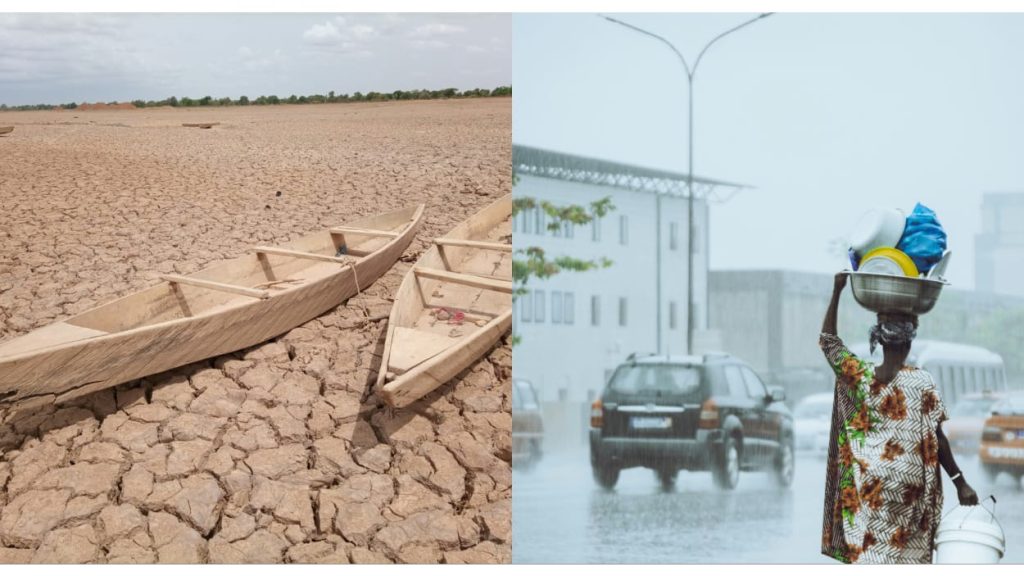
Africa faces a dual-risk pattern with possible flooding in the east and drought conditions in the south
The World Meteorological Organization has warned that El Niño conditions are developing in the tropical Pacific Ocean. They come with a high likelihood of intensification in the coming months and possible persistence into late 2026.
According to its latest El Niño/La Niña Update released in Geneva, there is an estimated 80 percent probability that El Niño conditions will emerge between June and August 2026. The likelihood of the phenomenon continuing through November rises above 90 percent.
While this is a climate update on the surface, it also signals a broader rise in global risk exposure across environmental systems, social stability, and governance preparedness.
El Niño is no longer an isolated oceanic event. It is increasingly understood as a global disruption trigger that affects temperature patterns, rainfall systems, agricultural output, and economic stability across continents.
What El Niño Means for Global Weather Systems
El Niño is a climate pattern that develops when sea surface temperatures in the central and eastern Pacific Ocean become unusually warm. This disrupts normal atmospheric circulation and alters rainfall and temperature patterns worldwide.
In most El Niño years, global temperatures rise above average levels. Weather systems also become more volatile, producing extremes such as intense rainfall in some regions and prolonged drought in others.
The World Meteorological Organization has emphasized that current oceanic conditions are already showing early signals of development. Sea surface temperatures in the central-eastern equatorial Pacific are approaching El Niño thresholds.
Unusually warm subsurface waters are also strengthening the system. These waters act as a reservoir of heat that supports continued surface warming over time. The atmospheric component of the system, measured through the Southern Oscillation Index, is also showing patterns consistent with a developing El Niño phase.
Scientific Signals Point to Strengthening Conditions
Recent observations indicate that warming is not concerning surface waters alone. Subsurface ocean temperatures are significantly above average in several key monitoring zones.
In some areas, these temperatures are exceeding six degrees Celsius above normal levels. This stored heat energy increases the likelihood of a more persistent and potentially stronger El Niño event.
Climate scientists are also tracking changes in wind patterns and ocean-atmosphere interactions. These shifts typically confirm the transition from neutral conditions into a full El Niño phase.
Taken together, these indicators suggest that the climate system is entering a more active and unstable phase.
Global Risk Outlook: Uneven but Intensifying Impacts
El Niño does not affect all regions equally. Instead, it redistributes climate risk across the globe in uneven ways. Some regions experience intensified rainfall and flooding. Others face drought, heat stress, and agricultural disruption.
The World Meteorological Organization notes that above-average temperatures are expected across many regions during the June to August period.
United Nations Secretary-General António Guterres has warned that El Niño will intensify existing climate pressures. He also emphasized that extreme weather events are becoming more widespread and more severe.
The global picture is therefore not uniform. It is a pattern of climate imbalance that shifts risk from one region to another.
Africa at the Center of Climate Divergence
Africa is expected to experience sharply contrasting impacts depending on geography. The continent will likely face a dual-risk pattern. This includes flooding in the east and drought conditions in the south.
This divergence makes Africa one of the most important regions for understanding El Niño’s real-world impact.
East and Horn of Africa: Elevated Flood Risk
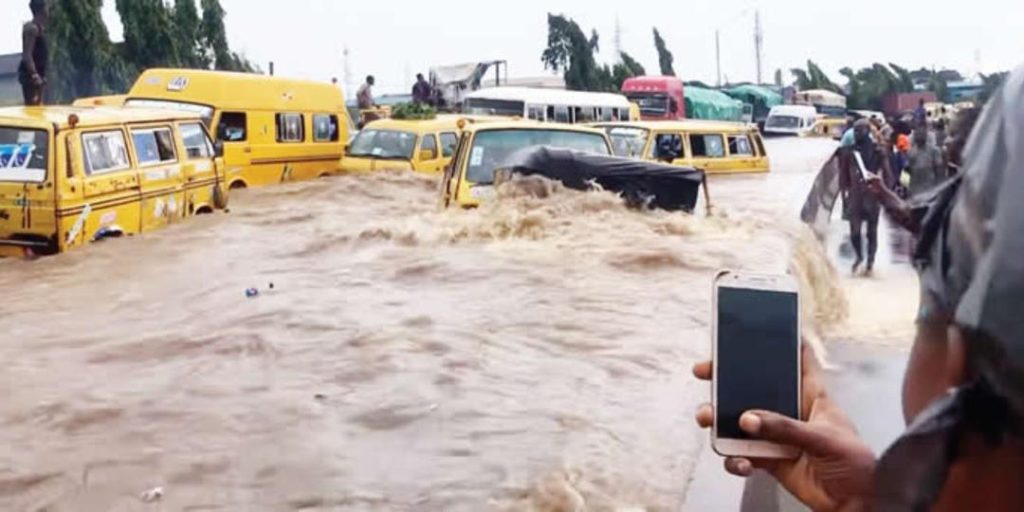
Countries such as Kenya, Uganda, Tanzania, Somalia, Ethiopia, South Sudan, Rwanda, and Burundi are typically more exposed to above-normal rainfall during El Niño periods.
This increases the risk of flooding, landslides, and displacement of communities. It also raises the likelihood of waterborne disease outbreaks in vulnerable areas.
Urban areas are especially exposed due to drainage limitations and rapid population growth. Rural communities face additional risks tied to agricultural disruption.
Southern Africa: Heightened Drought Exposure
In contrast, countries including South Africa, Zimbabwe, Zambia, Mozambique, Malawi, Botswana, Namibia, and Angola often experience reduced rainfall during El Niño phases.
These conditions can lead to drought, crop failure, and water shortages. They also place pressure on hydropower systems and national energy supply.
Food security becomes a major concern in prolonged dry periods. Economic stability is also affected through agriculture-dependent livelihoods.
El Niño as an ESG Stress Test
El Niño is an environmental, social, and governance stress test.
From an environmental perspective, it highlights how quickly climate systems can shift into extremes. It also reinforces the reality that climate variability is becoming more intense.
From a social perspective, it exposes inequality in climate exposure. Vulnerable communities experience disproportionate impacts due to limited infrastructure and resources.
From a governance perspective, it raises questions about preparedness and coordination. Early warning systems are only effective when they translate into action.
The central issue is whether institutions can respond quickly enough to shifting climate risks.
Corporate Exposure and ESG Accountability
El Niño has direct implications for corporate ESG risk exposure.
Agriculture is among the most affected sectors due to rainfall variability. Supply chains become unstable when crop yields fluctuate.
Energy systems are also exposed, especially hydropower-dependent regions. Reduced rainfall leads to lower reservoir levels and power constraints.
Insurance markets often respond with higher claims and pricing volatility. Infrastructure disruptions also affect transport and logistics networks.
For companies, the key ESG issue is preparedness. Firms without strong climate risk planning face higher operational disruption during extreme weather cycles.
Governance and Early Warning Systems
WMO Secretary-General Celeste Saulo has urged governments to prepare for a potentially strong El Niño event. She emphasized that early warning systems are critical for reducing losses. However, their effectiveness depends on how quickly information is acted upon.
The World Meteorological Organization continues to stress that forecasts must be integrated into national planning. Without this integration, warnings remain informational rather than operational.
From Weather Pattern to Systemic Risk
El Niño is a recurring global stress test for environmental systems, social resilience, and governance capacity. The emerging signals suggest increased climate volatility across multiple regions in the coming months. However, the deeper challenge lies in preparedness rather than prediction.
Africa’s dual exposure to flooding and drought highlights the importance of localized adaptation strategies. One-size-fits-all responses are no longer sufficient in a fragmented climate risk landscape.
Ultimately, El Niño reflects a broader reality. Climate risk is now systemic, interconnected, and increasingly tied to how well institutions anticipate and respond to change.
[give_form id="20698"]