ONYINYECHI NWAIGBA
Feature Image
Every rainy season in Nigeria tells a familiar story.
Roads turn into rivers. Drainage channels overflow. Communities struggle to move freely. Homes and businesses are disrupted. And in many cases, the same question returns year after year: why does this keep happening?
At the same time, when flooding is discussed, another reality is often overlooked, the environment is not only reacting to nature. It is reacting to us.
As the world marks World Environment Day 2026, this moment is more than a global observance. It is a reminder that in Nigeria, environmental issues are not distant or theoretical. They are lived experiences.
From Lagos to other rapidly growing cities across the country, the environment is constantly shaped by how we live, build, consume, and dispose.
And the truth is simple: the environment we experience today is a reflection of the choices we have made over time.
The Everyday Environmental Reality in Nigeria
For many Nigerians, environmental conversations often feel like global discussions, climate change, melting ice caps, distant ecosystems.
But here at home, the signs are much closer.
Plastic waste lines our streets, fills drainage systems, and ends up in waterways. Sachet water nylon, bottles, and food packaging are part of everyday consumption but also part of a growing environmental burden.
In many urban areas, waste systems are overstretched or improperly managed, leading to accumulation in open spaces. Over time, this contributes to blocked drainage systems especially in cities like Lagos, where heavy rainfall quickly exposes infrastructure weaknesses.
Then come the floods.
What is often described as “heavy rain problems” is, in many cases, a combination of rainfall and blocked waterways caused by improper waste disposal.
This is no longer just an environmental issue. It is a public safety, economic, and infrastructure challenge.
Waste: The Hidden Driver of Urban Flooding
One of the most visible environmental challenges in Nigeria today is flooding.
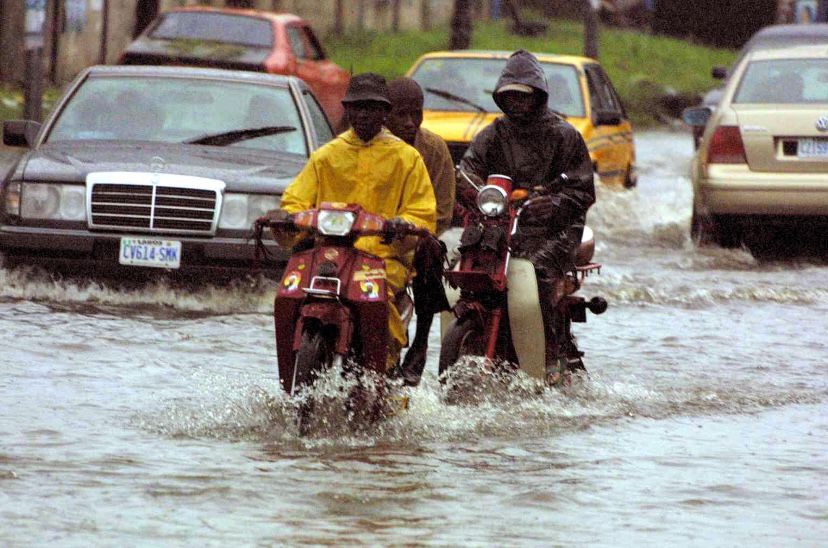
But flooding is not only about rainfall intensity, it is about drainage capacity.
When plastic waste, sand, and refuse block drainage channels, water has nowhere to go. Streets flood faster, homes are affected more easily, and daily movement is disrupted.
In many cases, the issue is not the absence of infrastructure, but the pressure placed on what already exists.
This is where environmental responsibility becomes shared.
Government agencies can build drainage systems. But when those systems are repeatedly filled with waste, their purpose is undermined.
Environmental sustainability is not only about building more. It is about protecting what already exists.
Plastic Pollution: A Daily Habit With Long-Term Consequences
Walk through any busy street, market, or commercial hub in Nigeria and one thing is clear plastic is everywhere.
From food packaging to bottled drinks, nylon bags to takeaway containers, plastic has become deeply embedded in daily life.
Its convenience is undeniable. But its long-term impact is equally undeniable.
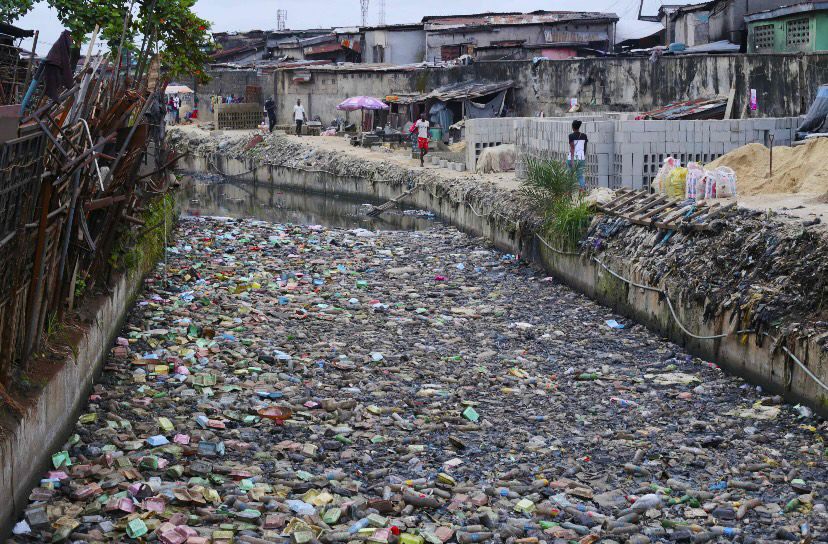
Much of this waste is not recycled. It ends up in landfills, drainage systems, or open environments where it remains for years without breaking down.
Over time, this contributes to land degradation, water pollution, and wider environmental stress that affects both ecosystems and human health.
The challenge is not only plastic itself, it is what happens after use.
Reducing single-use plastics, strengthening recycling systems, and improving waste management infrastructure are critical steps forward.
Energy Use and Environmental Pressure
Another major environmental reality in Nigeria is energy consumption.
Due to inconsistent electricity supply in many areas, generator use remains widespread. While generators provide immediate relief, they also contribute to air pollution, noise pollution, and carbon emissions.
In densely populated areas, communities are increasingly exposed to fumes that affect air quality and long-term health conditions.
This is where the conversation shifts from convenience to consequence.
Clean and renewable energy solutions are no longer just innovations, they are necessities.
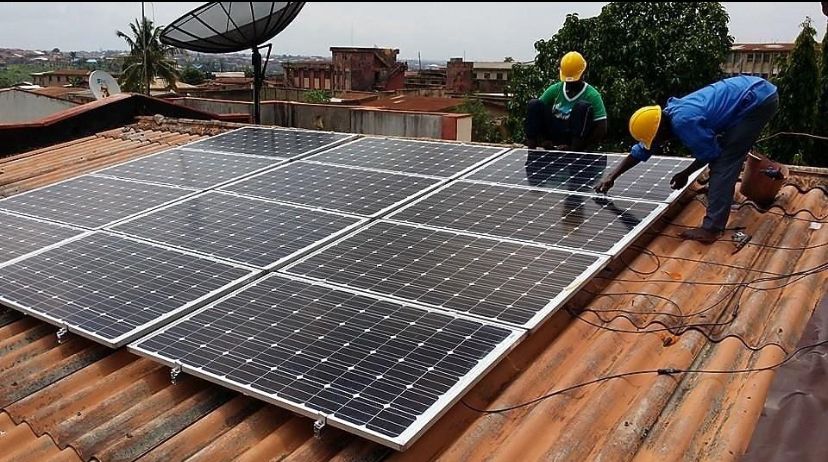
Solar and other sustainable energy systems present an opportunity to reduce environmental pressure while improving energy reliability and quality of life.
Why the Environment Matters to Everyone
Environmental issues are often discussed in separate categories waste, energy, water, climate.
But in reality, they are deeply interconnected.
A blocked drain becomes a flood.
A flood disrupts businesses.
Poor air quality affects health.
Unmanaged waste weakens entire communities.
The environment is not a separate system.
It is the foundation on which everyday life depends.
When it is under pressure, everything else feels the impact.
CSR and the Role of Businesses in Environmental Action
Corporate Social Responsibility (CSR) has become a critical part of addressing environmental challenges, especially in fast-growing economies like Nigeria.
But CSR today is no longer about one-off donations or occasional clean-up exercises.
It is about long-term environmental responsibility and measurable impact.
Businesses have a real opportunity to contribute by:
- Supporting sustainable waste management systems
- Investing in recycling and circular economy initiatives
- Promoting environmental awareness within communities
- Transitioning to cleaner and more efficient energy solutions
- Reducing operational waste and emissions
This broader shift is already being reflected in national efforts and environmental governance frameworks in Nigeria, including initiatives by the Federal Ministry of Environment aimed at promoting sustainable development and environmental protection across the country. You can learn more about these efforts here: Federal Ministry of Environment Nigeria
When businesses take environmental responsibility seriously, the impact goes beyond operations—it extends into communities, supply chains, and everyday behavior.
Sustainability becomes not just something organizations talk about, but something they actively build.
What Individuals Can Do Today
While systemic solutions are essential, individual responsibility still matters.
Small daily actions, when multiplied across millions of people, create meaningful change.
Practical steps include:
- Proper disposal of waste instead of open dumping
- Reducing reliance on single-use plastics
- Supporting recycling initiatives in local communities
- Keeping drainage channels free from waste
- Being mindful of energy consumption
These actions may seem small, but they directly influence the larger environmental system we all depend on.
Moving From Awareness to Responsibility
World Environment Day is often marked by campaigns, speeches, and awareness messages.
But awareness alone is not enough.
The real question is not what we know, it is what changes after today.
Environmental sustainability requires consistency. It requires systems that make better choices easier. And it requires a culture that values responsibility over convenience.
Most importantly, it requires collaboration between individuals, communities, businesses, and government institutions.
No single group can solve these challenges alone.
But together, progress is possible.
See: From Waste to Resource: Lagos’ Environmental Transformation
Conclusion: The Environment We Build Together
Nigeria’s environmental challenges are visible, urgent, and deeply connected to everyday life.
But so is the opportunity for change.
Every action taken today no matter how small contributes to the environment we will live in tomorrow.
As we mark World Environment Day 2026, the message is clear:
The environment is not distant.
It is not separate.
It is not tomorrow’s problem.
It is here.
It is now.
And it is ours to protect.